
- News
- lifestyle
- home-garden
- Arboreal: Snakes that always stay on trees and rarely descend
Arboreal: Snakes that always stay on trees and rarely descend
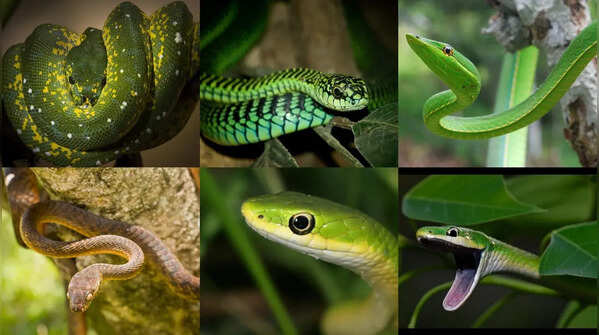
Arboreal: Snakes that always stay on trees and rarely descend
Snakes are often associated with movements on the floor or inside bushes. There are also snakes living in the upper layers of forests where they feel much more comfortable. They are called arboreal snakes because of their special adaptations to life in trees. Being equipped with slim bodies, excellent balance, and outstanding climbing skills, these snakes can move freely on branches while hunting for prey, resting, and avoiding predators. Many arboreal snakes rarely come to the ground, except when they need something to eat, mate, or find more comfortable shelter. In addition, their coloration and camouflage allow them to be perfectly hidden among leaves and branches. The following slideshow presents seven fascinating arboreal snakes spending their lives among trees.
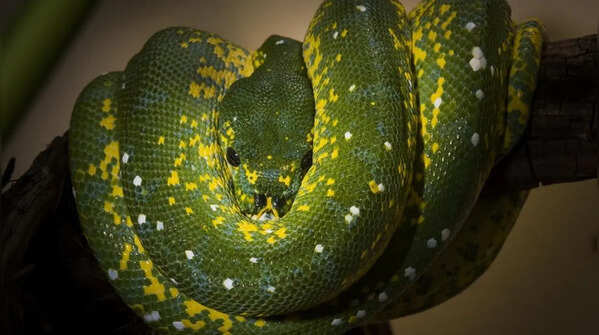
Green tree python – the brightly colored snake living in the branches
Green tree pythons are some of the most fascinating arboreal snakes in the world due to their rare coloration. As the name implies, the coloration of this type of snake is green. However, young snakes usually have a yellow or red color, and only then do they become green with age. The body and tail of these snakes feature muscles which allow them to stay on tree branches with ease.
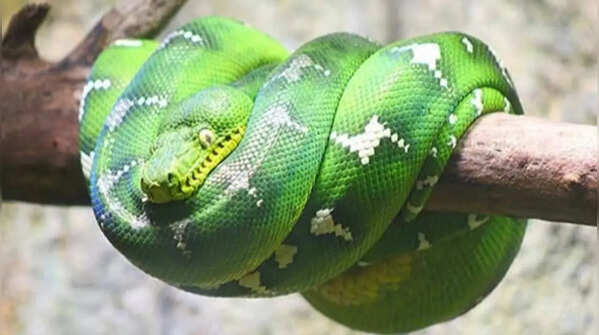
Emerald tree boa – the ambush hunter in the branches of rainforests
As the name implies, the emerald tree boa is a species of snake featuring a green body. However, this species of arboreal snakes differs from the green tree python by its white zigzags. The emerald tree boa inhabits South American rainforests, where it spends much time hanging from branches in a relaxing position. Sharp teeth and excellent camouflage of this snake help it successfully hunt birds and other small animals in the branches.
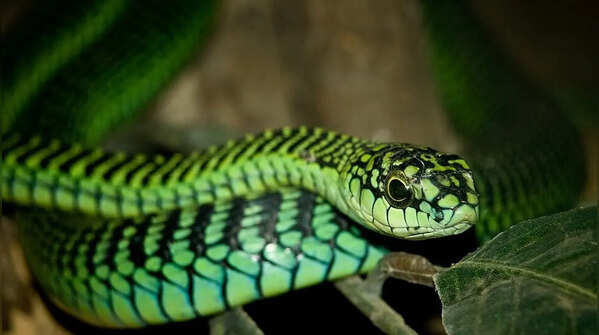
Boomslang – the arboreal snake with a sharp eyesight
Boomslang is one of the best examples of slender arboreal snakes found in Africa. This snake stands out due to its huge eyes, which give it excellent visual capabilities necessary for finding prey among the branches of trees. The boomslang is a very good climber that can often be seen on trees, where it hunts birds, bird eggs, and some reptile species.
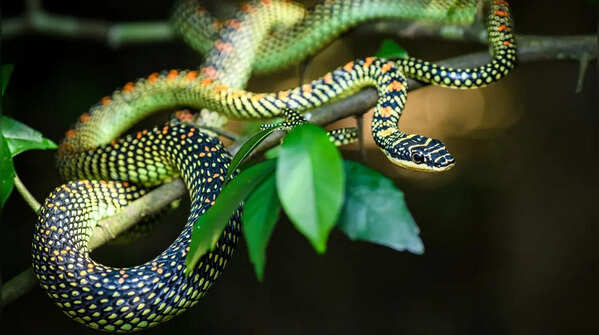
Paradise tree snake – the gliding arboreal snake
One of the most incredible arboreal snakes is a paradise tree snake. This snake inhabits Southeast Asian forests, where it is famous for its ability to fly between trees thanks to its special gliding technique. The thin body of this snake allows it to easily glide through the air and reach another tree. It is not unusual that this snake spends its whole life in the forests without descending.
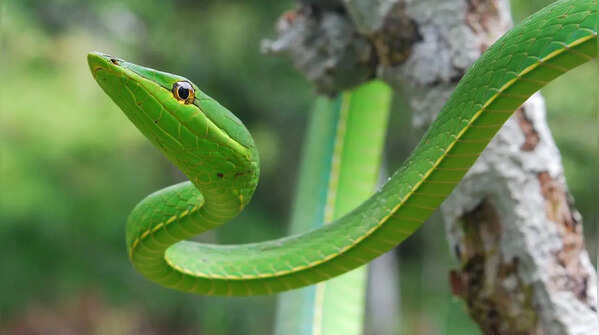
Vine snake – the slender and camouflaging arboreal snake
A vine snake is one of the best examples of snakes resembling green vines. A slender green body combined with a pointed head is characteristic of this type of snake. Vine snakes inhabit many tropical forests in Asia, where they use excellent camouflage to wait for small animals and insects to eat. Spending its life among branches, this snake does not leave the tree unless it is necessary.
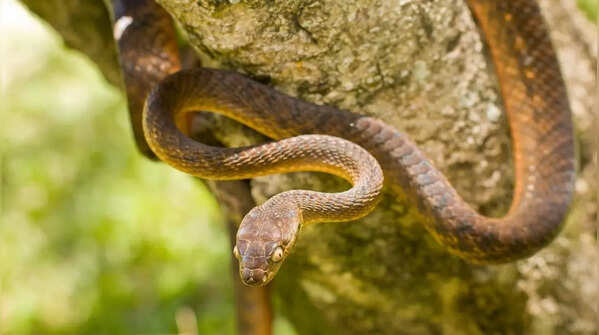
Brown tree snake – the night climbing snake
Brown tree snakes are known for their great climbing skills, which allow them to move along branches of trees. They also have excellent night vision and are nocturnal species of snakes. While resting during the day, these snakes actively hunt for birds, their eggs, and other small animals at night. Unfortunately, in some places, this snake is considered an invasive species, having spread outside its native habitat.
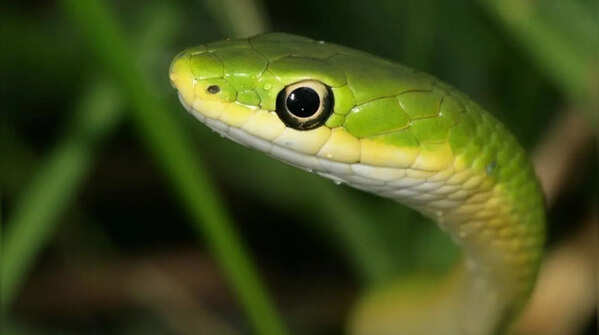
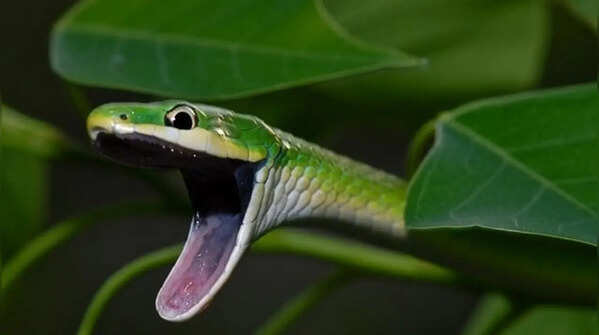
Rough green snake – the gentle tree-dwelling arboreal snake
Rough green snakes are nonvenomous species living mostly in North American forests. Its bright green color allows it to perfectly hide among leaves and bushes. This species of arboreal snake is known for being very passive and rarely coming to the ground. In addition, the light and slim body makes climbing easier.
Disclaimer:
This article is for general informational and educational purposes only. The snake species and behavioural traits mentioned here are based on commonly documented wildlife observations and scientific research. While many arboreal snakes spend most of their time in trees, behaviour may vary depending on habitat, climate, food availability, and environmental conditions. Readers are advised not to approach or handle wild snakes, as some species may be venomous. For wildlife concerns or snake encounters, always contact trained professionals or local wildlife authorities.
Featured In lifestyle

MORE FROM ETIMES
life & style