
- News
- lifestyle
- home-garden
- 7 things you should never clean with hot water
7 things you should never clean with hot water
7 things you should never clean with hot water
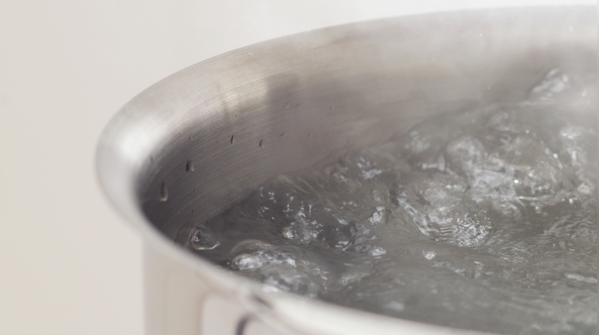
Hot water is usually considered an excellent cleaning agent as it works effectively and efficiently while ensuring safety in hygiene. However, one needs to be aware that hot water might cause more problems than solve them. It can warp and damage certain materials; experts caution that extreme heat causes pores in materials to widen, weakening their fibres. Dispel the myth of hot water being a universal problem-solver for any cleaning challenge you may have. Additionally, hot water can set certain stains like protein-based spills, making them harder to remove rather than easier.
Image: Canva
7. Jewellery with delicate stones
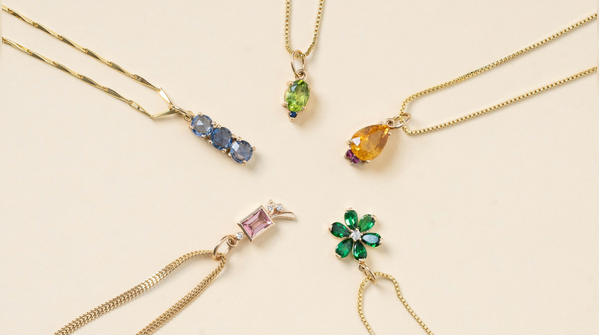
Pearls, opals, and any other gems used for jewellery that are delicate in nature need special attention since they can chip, become discoloured, and even break when exposed to high temperatures of water. Rather, use cleaning agents that would not harm them.
Image: Canva
6. Glassware and ceramics
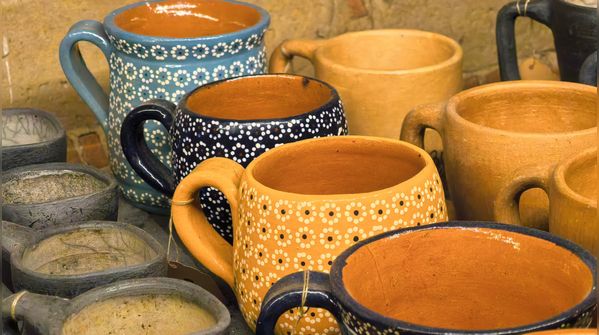
The use of hot water when washing cold glass or ceramics may lead to thermal shock that may cause cracking. Temperature variations like this may affect the material immediately by making it fragile. It is advisable to wash such material with warm or cold water instead.
Image: Canva

5. Velvet and suede
Velvet and suede are very delicate materials that react strongly to both moisture and heat. The use of hot water will lead to staining, shrinking, and loss of softness. To clean these types of clothes, brushing is recommended or the use of specific cleaners.
Image: Canva
4. Delicate fabrics (Silk, wool, lace)
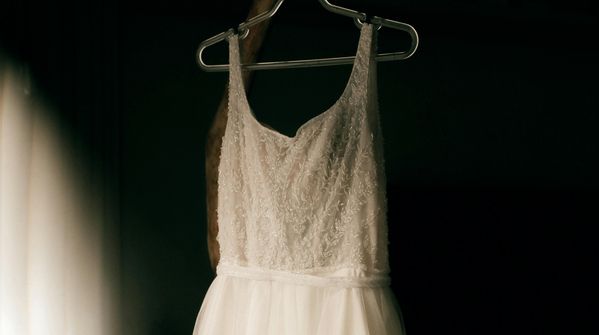
Hot water is hard on fine fibres, leading to shrinkage, loss of colour, and distortion. Silk and wool are examples of materials that can be affected. Experts in the field advise using cold or gentle washes.
Image: Canva
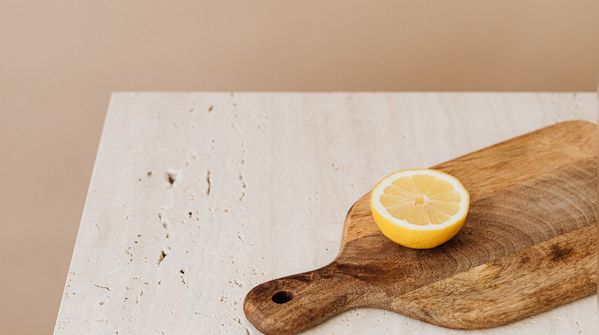
3. Wooden utensils and cutting boards
Kitchen utensils made from wood are very absorptive of water, and the application of hot water only speeds up this process. Swelling, cracking, and even bacterial development in microscopic spaces can result from this. As per the US Department of Food Safety, it is recommended that these be cleansed promptly using only lukewarm water.
Image: Canva
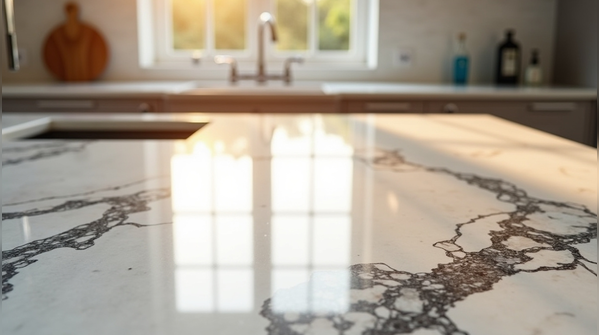
2. Marble and stone countertops
The natural surfaces made from materials such as marble tend to be absorbent and highly susceptible to heat. The use of hot water during cleaning could affect the sealants, making them vulnerable to discolouration and scratches. However, the best way to keep them shiny is by using a clean towel and appropriate detergent.
Image: Canva
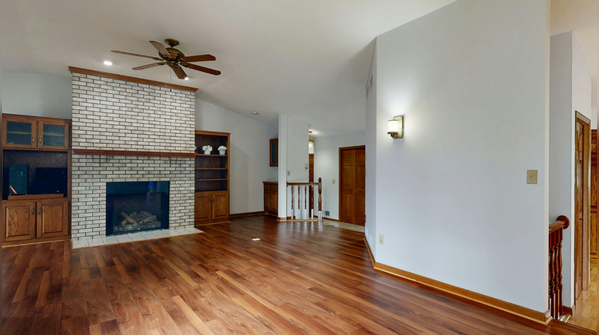
1. Hardwood floors
Although hot water might appear to be perfect for mopping, it can cause severe damage to your hardwood floors. The warmth causes the wood to become porous, and this results in water seeping through. This causes your floor to become warped, swell, and lose its original colour.
Image: Canva
Featured In lifestyle

