
- News
- lifestyle
- home-garden
- 7 natural ways to keep your home and garden pest-free this summer
7 natural ways to keep your home and garden pest-free this summer

7 natural ways to keep your home and garden pest-free this summer
Summer warmth often brings unwanted visitors too, from ants and cockroaches indoors to aphids, caterpillars, and mosquitoes outside. The good thing is that you do not always need harsh chemicals to manage them. A natural pest-control routine works best when it focuses on prevention, plant health, and simple physical barriers.

Seal entry points and remove what pests need inside the home
Many household pests come indoors looking for food, water, and shelter, so the first step is to cut off those basics. Keep counters clean, store food tightly, fix leaks, and seal cracks around doors, windows, and pipes. This makes your home far less attractive to ants, cockroaches, and other summer invaders. Prevention is usually easier than treating a full-blown infestation later.
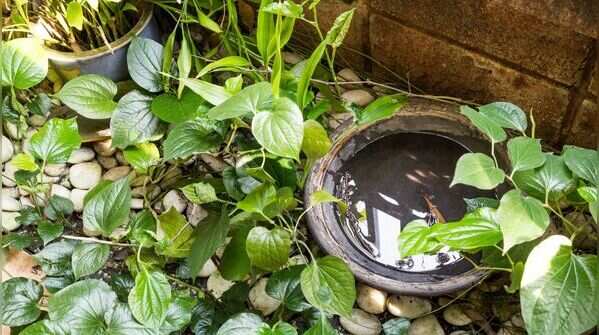
Remove standing water and keep the yard dry
Mosquitoes breed in standing water, so summer pest control starts with water cleanup. Empty flower-pot trays, buckets, tires, and birdbaths regularly, and do not let water sit in hidden corners of the yard. In gardens and outdoor spaces, this simple habit can dramatically reduce mosquito pressure and other moisture-loving pests. Clean drainage also helps keep the whole space healthier.
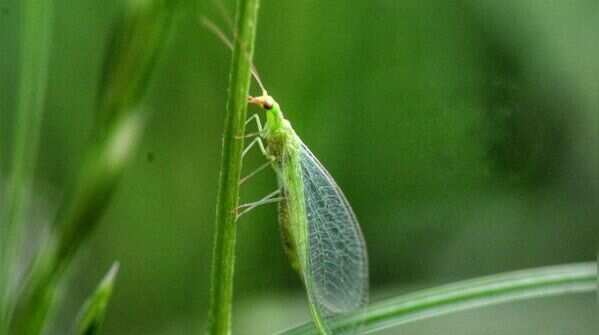
Encourage beneficial insects to do the work for you
Not all insects are pests. Ladybirds, lacewings, parasitic wasps, and other beneficial insects are all your allies when it comes to controlling pests like aphids. These beneficial insects can be encouraged to help control pests by growing flowers that are rich in nectar, which will attract these beneficial insects. They will help to maintain a balance of life in your garden by controlling pests like aphids.

Use row covers or netting on vulnerable plants
Row covers are like a blanket that covers your plants. They prevent insects, birds, and other pests from coming into contact with your crops. They are best used to protect young vegetables. They are an alternative to pesticides that can be used to protect certain crops. They are best used during summer to protect leafy greens, brassicas, and young seedlings when they are most vulnerable.
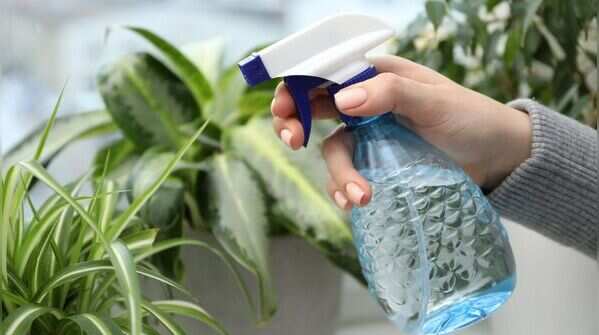
Pick off pests by hand or blast them with water
For small garden outbreaks, simple physical control can be surprisingly effective. You can remove beetles, caterpillars, or other visible pests by hand, or spray plants with a strong jet of water to dislodge soft-bodied insects like aphids. These methods work best when used early and often, before pests multiply. They are low-cost, natural, and easy to repeat during summer.
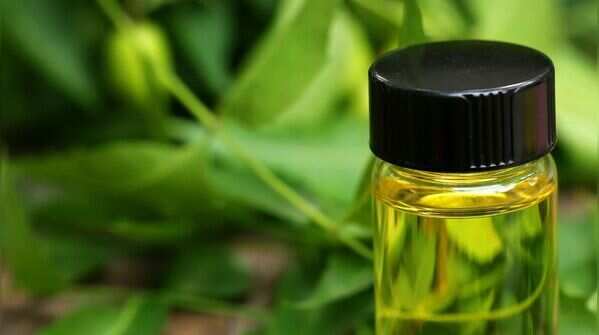
Use neem oil or insecticidal soap carefully
Neem oil and insecticidal soap are common choices for soft-bodied insects such as aphids, whiteflies, mites, and mealybugs. They are most effective when sprayed well and applied during cooler times of the day. This is because hot weather can stress plants. They are best applied when you want to have a natural backup method for your pest control strategy.

Keep plants healthy and avoid overcrowding
Strong plants handle pest pressure better than weak ones. Overwatering, overcrowding, and excess nitrogen can all make garden pests worse, especially aphids. Give plants enough space, prune where needed, and feed them sensibly instead of pushing quick growth with too much fertilizer. Healthy, well-spaced plants dry faster after watering and are less likely to become pest magnets.
The most effective approach to natural pest control is a combination of prevention, observation, and gentle intervention. When you prevent pests by sealing entry points, removing standing water, using plant barriers, supporting beneficial insects, and maintaining healthy plants, pest management remains under control. These are easy, cost-effective, and sustainable methods that are much better than waiting for pest control to get out of hand.
All Image Credits: Canva
Featured In lifestyle

MORE FROM ETIMES
life & style