- News
- lifestyle
- health-fitness
- Why the military sleep method is becoming a go-to solution for stress-driven insomnia
Trending
Why the military sleep method is becoming a go-to solution for stress-driven insomnia
Discover the military sleep method, a drug-free technique combining progressive muscle relaxation, controlled breathing, and calming visualization to fall asleep faster. Developed for soldiers, this practice, when done nightly for six weeks, helps quiet mental chatter and activate the body's natural relaxation response, leading to improved sleep onset and reduced anxiety.
credit: canva
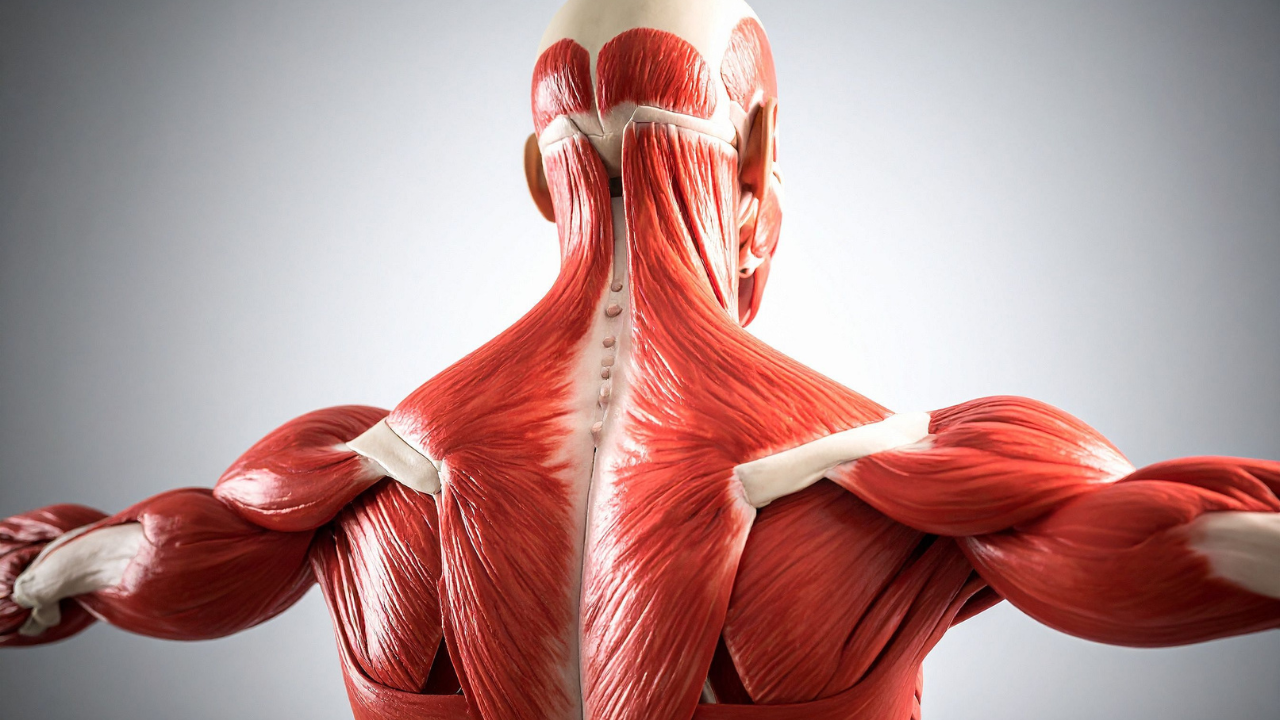
Progressive muscle relaxation
Controlled breathing

Calming visualisation
Tips for best results


About the AuthorTOI Lifestyle Desk
End of Article
Follow Us On Social Media
Health +
Tired of too many ads?go ad free now
lifestyle videos
Featured In Lifestyle

Tired of too many ads?go ad free now



MORE FROM ETIMES
life & styleHot on the Web
Bigg Boss 19 WinnerAnthony HopkinsHighest Crime Index CountriesBigg Boss 19 HighlightsHeart HealthChyawanprash BenefitsLiver Friendly FoodsBigg Boss 19 Grand FinaleSuperfoods Side EffectsDhurandhar Movie CollectionToilet HygieneEarthly JourneyAkshay KumarAlia BhattAryan KhanShhyamali DeSmriti MandhanaCelina JaitlyBlood PressureHigh CreatinineTere Ishk Mein CollectionDhurandhar Movie ReviewProstate Cancer SymptomsColon Cancer SymptomsAkhanda 2 Movie ReviewHigh Cholesterol SymptomsKidney DamageMesopotamiaGustaakh Ishq Box Office CollectionTere Ishk Mein Movie ReviewGut HealthElephant Safari National ParkOvernight Habits That Affect HealthLiver Failure Warning SignsCucumber Vs ZucchiniEarly Signs Of Mouth CancerKeep The Toilet Lid Up Or DownNikhil KamathHigh Blood Pressure SymptomsFirst Animal In SpaceHeart Healthy Red Drinks
Trending Topics
Latest MoviesBollywood MoviesHollywood MoviesTamil Movies 2025Telugu Movies 2025Malayalam Movies 2025Kannada Movies 2025Marathi Movies 2025Bengali Movies 2025Top Rated Movies 2025Best Hindi MoviesBest English MoviesBest Telugu MoviesBest Tamil MoviesBest Malayalam MoviesBest Kannada MoviesBest Bengali MoviesUpcoming Hindi MoviesBest Movies Of All TimeBest Hindi Movies of All TimeLatest English MoviesLatest Malayalam MoviesEnglish TV NewsTamil TV NewsTelugu TV NewsMalayalam TV NewsKannada TV NewsMovie ReviewsBhojpuri Cinema NewsGujarati Cinema News
Popular Categories
Viral NewsK Pop NewsWeb Series NewsAnime NewsUpcoming English MoviesUpcoming Tamil MoviesUpcoming Telugu MoviesUpcoming Malayalam MoviesUpcoming Kannada MoviesFashion TipsTravel NewsEntertainment NewsBollywood NewsTollywood NewsKollywood NewsMollywood NewsFood NewsLatest Hindi MoviesLatest Tamil MoviesParenting TipsHome RemediesWeight LossBeauty TipsParenting TipsHindi VideosHindi Video SongsBhojpuri Music VideosLatest Telugu MoviesBhojpuri Music VideoHindi TV News
Latest News
Rupsha Mukherjee gears up for a promising 2026 with new projectsGrammy winner Tyla makes a dazzling India debut at Mumbai’s MMRDA Grounds‘No ads on ChatGPT’, says OpenAI VP Nick Turley: ‘Any screenshots you’ve seen are …’Kareena Kapoor shares adorable PICS and pens heartfelt birthday wish for ‘Amma’ Sharmila Tagore: ‘Always trying to follow in your footsteps’Char Diker Golpo’ screens at SRFTIHawaii's Kīlauea volcano erupts again; towering lava fountains soar up to 1200 ft—WatchICAI CA January 2026 admit card expected to be released soon: Check steps to download Foundation, Inter and Final hall tickets'Ab party ki kamaan sambhale Nishant': Nitish Kumar’s son stepping in? Posters spark speculationUday Shankar’s 125th birth anniversary marked with two-day dance festival in SantiniketanYour daily bed-making habit might be harming you! Experts reveal why an unmade bed could be saferJane Seymour shares how and why she feels younger as she grows older every year: ‘I love what I do’Bullet Train 2025: Steel Bridges, Mega Tunnels and Smart Cities Push India Into the High-Speed Era‘Jaya Bachchan 2.0': Netizen tags Rekha as the veteran ignores fan at the airport, declines photo requestAryan Khan does 'namaste' as he poses for paparazzi at Kolkata event amid middle finger controversy‘My Dear Heart’: Hema Malini shares emotional note for late Dharmendra on his 90th birthdayHeart health and longevity tips: US heart surgeon, also a heart attack survivor, wants you to avoid these 5 things to live longerAround 45,000 govt jobs you can apply for this week including SSC, KVS, NVS, SBI, DRDO CEPTAM, IOCL and others; check details here'This is a disaster': Mamata Banerjee targets BJP over IndiGo fiasco; cites passenger agony