
- News
- lifestyle
- health-fitness
- health-news
- What is the “winter vomiting bug” and how it affects the gut
What is the “winter vomiting bug” and how it affects the gut

What is the “winter vomiting bug” and how it affects the gut
The winter vomiting bug is a term that strikes fear into the hearts of many people during the winter months. This scientifically known norovirus is a highly contagious disease-causing virus that attacks the stomach with a vengeance. It makes a person feel miserable for a couple of days, significantly impacting the gut health. Wondering how it works? Read on to know more
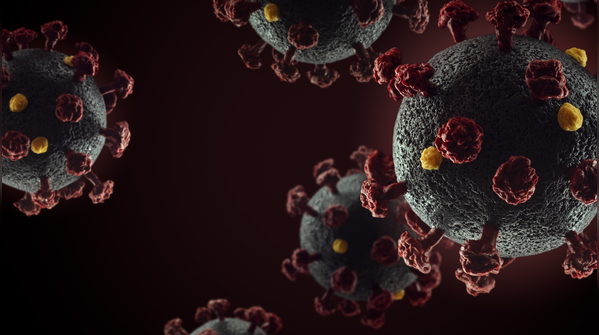
Recognizing the winter vomiting bug
Norovirus gets its nickname for the explosive vomiting it causes—often accompanied by watery diarrhea, nausea, stomach cramps— and occasionally a mild fever or headache. Symptoms come on quickly, within 12 to 48 hours of exposure to contaminated feces, vomit, or surfaces, food, and water. Outbreaks tend to be highest during winter months when people tend to congregate indoors, facilitating the spread of the norovirus by its minute viral fragments that tend to stick to hands and doorknobs. Norovirus does not rely on food poisoning by bacterial contamination, as it only takes contact with someone who is infected to be transmitted—which makes it common at places like cruise ships and nursing homes.
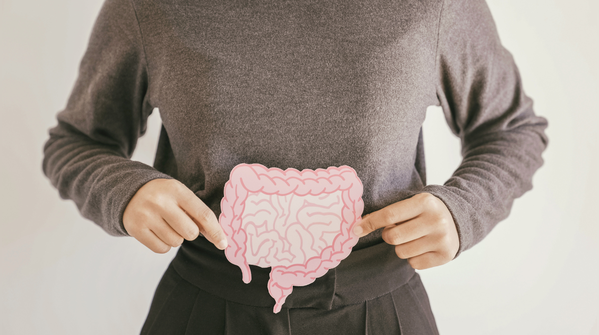
How it enters the gut
Norovirus, however, goes straight to the small intestines once ingested—attaching to the lining of the intestines. This virus reproduces quickly, causing inflammation and accelerating the discharge of these sensitive tissues. This disrupts the mechanism of fluid and salt absorption in the intestines, making fluid accumulate in the intestines, making the stool watery. Cramps result from muscle contraction in the intestines, trying to remove the irritant. Vomiting, on the other hand, acts as an emergency evacuating mechanism, removing the virus from the stomach. This entire process dehydrates an individual quickly because all the fluid only leaves the body.
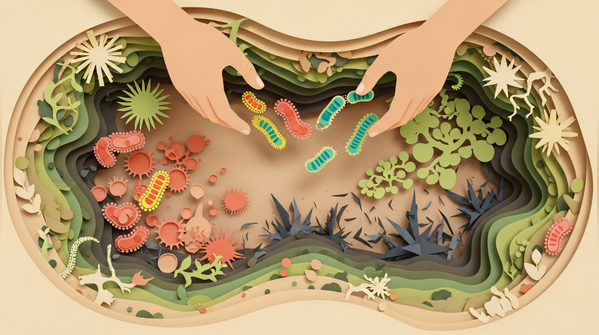
Alterations in symbionts of the intestines
Norovirus doesn't just cause inflammation—it also upsets the balance of the microbiome, or the bacteria in the guts that help with digestion and immunity. Research reveals that the infection can suppress the diversity of microbiota and increase the levels of certain unhealthy bacteria such as Proteobacteria, including E. coli, in the guts of an individual even after the symptoms have cleared. In animal models of norovirus infection, the presence of certain bacteria in the guts can affect the severity of the infection. Certain bacteria in the guts release certain factors that can either promote the norovirus or stimulate the immune cells to fight—the norovirus.
Recovery steps
Most people recover within 1 to 3 days with rest, occasional SIPS of ORS solutions, and routine bland foods like rice, bananas, and toast when vomiting stops. Stay home for 48 hours after your symptoms finish. Prevention centers around personal hygiene practices, which include washing hands with soap for 20 seconds, using disinfectants like bleach on surfaces, and avoiding raw foods when an outbreak occurs. While no cure or vaccine has been developed, personal hygiene practices can significantly reduce exposure to the virus. Consult your physician if any signs of dehydration occur, which may include dry mouth, dizziness, an absence of urination for several hours, or persistence in children, older adults, or people with compromised immunities.
If the gut effects are not eliminated, this could be a problem. Though infrequent for most, it may make the intestinal tract irritable, at least, with loose stools or discomfort from where the lining has healed. Reinforce an intestinal recovery diet of yogurt or fermented food, once introduced, along with staying hydrated and a gradual start-up of fiber. Symptoms should be monitored. Conditions requiring hydration analysis or infections are suggested when persistent. The winter vomiting bug is a reminder to all of us of just how easily our digestive systems can be caught off guard by sneaky viruses. Easy precautions such as good hand-washing practices mean that it is kept at a distance, keeping families safe through the winter months.
Featured In lifestyle

