
- News
- lifestyle
- health-fitness
- health-news
- What is fear of sex (genophobia) and how to cope with it
What is fear of sex (genophobia) and how to cope with it

What is genophobia?
Fear of sex or sexual intimacy is also called genophobia. It is not to be confused with asexuality – a sexual orientation characterized by a lack of sexual attraction.
In case of genophobia, a person experiences intense fear or panic when they have to engage in sexual intimacy. For some people, even thinking about it can cause panic. One may also have fear or anxiety about being emotionally close with another person.

Symptoms of genophobia
A person with fear of sex experiences anxiety and panic in a sexual encounter. They are unable to control or manage this fear.
If the triggering circumstance remains the same, their symptoms will worsen. They may also experience nausea, dizziness, trouble breathing, heart palpitations, or sweating when exposed to the trigger.
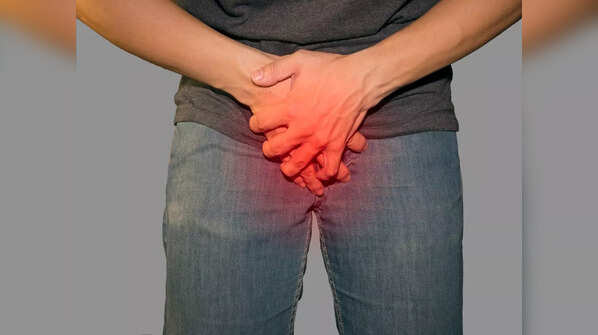
What causes genophobia?
There can be various causes of genophobia – physical or emotional issues – depending from person to person.
Physical factors can include sexual health issues like vaginismus and erectile dysfunction. In case of vaginismus, muscles of the vagina clench up involuntarily in case vaginal penetration is attempted. It can also lead to extremely painful sex, which can lead to sexual intimacy.
Erectile dysfunction is difficulty obtaining and sustaining an erection. This can lead to feelings of embarrassment, shame, or stress. These can grow intense, making a person fearful of sexual intimacy.
Child abuse or sexual abuse can cause post-traumatic stress disorder (PTSD) which can make you uncomfortable and even fearful of intimacy and sex. Other possible causes include body shame, religious upbringing and fear of sexual performance.

Treating physical factors
If the fear of sex is due to some physical factor such as vaginismus, then seeking treatment can improve your condition as well as help you to get rid of this phobia. Pain with intercourse is a common problem which needs to be addressed and treated. Otherwise, it could lead to a fear of sexual intercourse.
Read more: Things to keep in mind during sex if you don't wish to get pregnant

Therapy
Therapy for phobias typically includes psychotherapy. Various kinds of psychotherapy, such as cognitive behavioral therapy (CBT) and exposure therapy, have been shown to be beneficial for coping with phobias.
Read more: Bowel cancer symptoms: Pregnant woman suffered from constipation before cancer diagnosis

Communicate with your partner
It is important to not feel embarrassed and communicate how you feel with your partner, instead of putting yourself through the troubling emotions.
If your genophobia is due to mental health factors such as impact from past trauma, talking to your partner might help. If your partner is understanding, trusting them can provide you with a sense of safety to help you recover from past traumas.
Featured In lifestyle
