- News
- lifestyle
- health-fitness
- health-news
- The power of herbal teas: Healing with every sip
Trending

Amidst today's stressful lifestyles, many are rediscovering the ancient wisdom of Ayurvedic herbal teas for holistic wellness. These teas, beyond comforting drinks, are therapeutic infusions that balance the body's doshas using herbs like ginger, tulsi, and chamomile. They aid digestion, detoxify, relieve stress, boost immunity, and support respiratory health.

Amidst today's stressful lifestyles, many are rediscovering the ancient wisdom of Ayurvedic herbal teas for holistic wellness. These teas, beyond comforting drinks, are therapeutic infusions that balance the body's doshas using herbs like ginger, tulsi, and chamomile. They aid digestion, detoxify, relieve stress, boost immunity, and support respiratory health.
Herbal teas in ayurveda
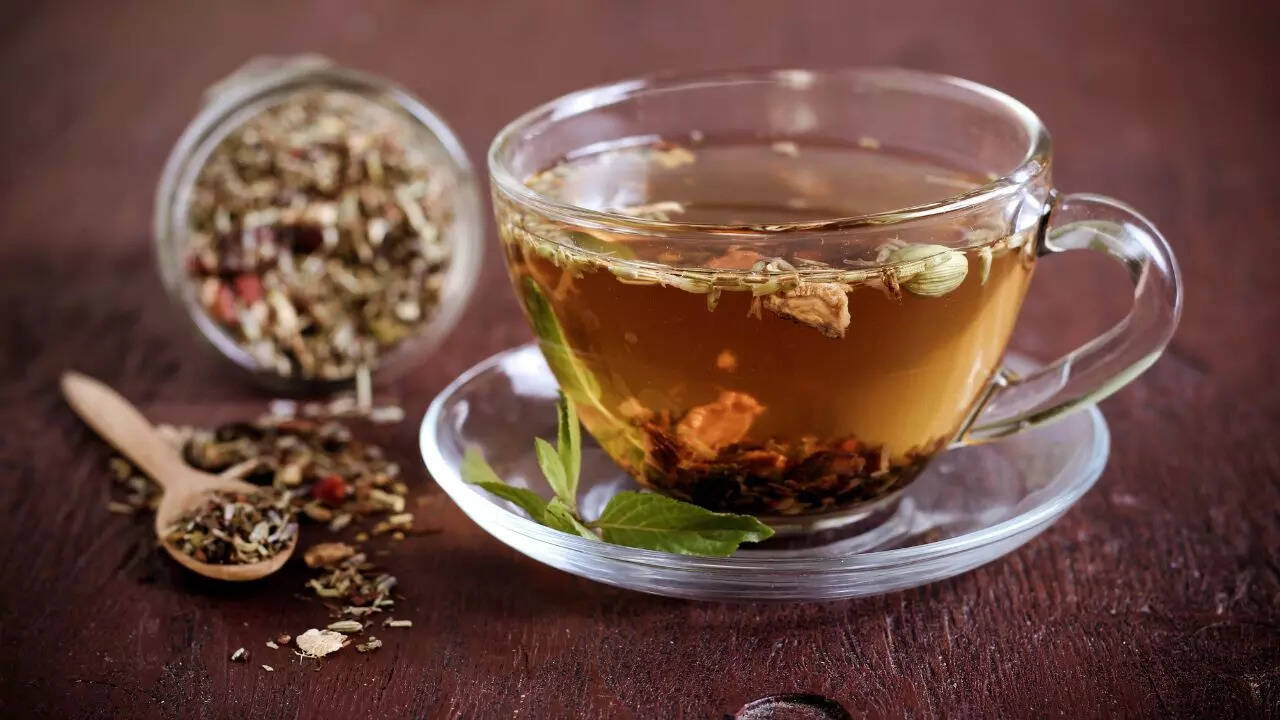
Image: Canva
Healing benefits of herbal teas

Image: Canva
Herbal teas in modern homes
Image: Canva
Moderation matters

About the Author
TOI Lifestyle DeskEnd of Article
Follow Us On Social Media










Photostories
Tired of too many ads?go ad free now
lifestyle videos
Featured In Lifestyle

Tired of too many ads?go ad free now
MORE FROM ETIMES
life & styleHot on the Web
Tamannaah BhatiaSolar Eclipse 2025Charlie Kirk Net WorthWhite vs Pink GuavaDisha PataniH3N2 Flu SymptomsKarishma SharmaPublic Hand DryersShah Rukh KhanH3N2 Flu SymptomsBaking Soda Water For HealthLiver Detox FoodsChia Seeds For HairToilet TipsBlood Pressure GuidelinesSoha Ali KhanProstate Cancer SymptomsHeart HealthMustard Oil For HairOvarian Cancer SymptomsBlood PressureBigg Boss 19Heart Attack PreventionFatty Liver SymptomsAshneer GroverVitamin D DeficiencyBeautiful Aquarium FishThe Bengal Files Box Office CollectionParam Sundari Box Office CollectionBaaghi 4 Box Office CollectionDon't Use Public Hand DryersPink Guava Vs White GuavaCross River GorillaIdeal Weight For Your HeightBaking Soda Water For HealthTrick To Improve SleepThroat Cancer SymptomsNano Banana TrendYellow Stains On PillowsOvarian Cancer SymptomsTips To Keep Chapatis Soft
Trending Topics
Latest MoviesBollywood MoviesHollywood MoviesTamil Movies 2025Telugu Movies 2025Malayalam Movies 2025Kannada Movies 2025Marathi Movies 2025Bengali Movies 2025Top Rated Movies 2025Best Hindi MoviesBest English MoviesBest Telugu MoviesBest Tamil MoviesBest Malayalam MoviesBest Kannada MoviesBest Bengali MoviesUpcoming Hindi MoviesBest Movies Of All TimeBest Hindi Movies of All TimeLatest English MoviesLatest Malayalam MoviesEnglish TV NewsTamil TV NewsTelugu TV NewsMalayalam TV NewsKannada TV NewsMovie ReviewsBhojpuri Cinema NewsGujarati Cinema News
Popular Categories
Viral NewsK Pop NewsWeb Series NewsAnime NewsUpcoming English MoviesUpcoming Tamil MoviesUpcoming Telugu MoviesUpcoming Malayalam MoviesUpcoming Kannada MoviesFashion TipsTravel NewsEntertainment NewsBollywood NewsTollywood NewsKollywood NewsMollywood NewsFood NewsLatest Hindi MoviesLatest Tamil MoviesParenting TipsHome RemediesWeight LossBeauty TipsParenting TipsHindi VideosHindi Video SongsBhojpuri Music VideosLatest Telugu MoviesBhojpuri Music VideoHindi TV News
Latest News
CET 2025: Registration begins for Delhi govt school students to get coaching for competitive exams, check eligibility and how to applyAjay Devgn wishes his 'strongest critic, softest corner' Yug on 15th birthday5 ways to encourage your child to care for pets responsibly‘Jolly LLB’: Shreyas Talpade reveals he was shocked to 'unknowingly' turn down Arshad Warsi’s role'Janaawar - The Beast Within' teaser: Bhuvan Arora returns with intense role, set for Sep 26 release'KH 237': Who is Syam Pushkaran? All about the Malayalam star who joined Kamal HaasanJacksonville Jaguars to receive $5 million from FanDuel in former employee gambling scandalUS tariffs bite: India’s equities slump as FPI outflows hit $4 billion; rupee dips to record low‘She threatens to kill us’: MP man pleads with police to marry wife to her loverMP's Agar Malwa police seize drugs, chemicals worth Rs 5 croreKajol wishes son Yug Devgan a happy 15th birthday: ‘Always remain kind and wonderful’Shankar Mahadevan, Salim–Sulaiman, Farhan Akhtar, Shaan and more to rock Mumbai in a music extravaganzaPriya Kapur makes big move; attends business meeting amid legal feud with Karisma Kapoor’s kids'Manipur looking towards new dawn': PM Modi urges peace 'to secure children's future' - top quotesThis popular cookie brand's undeclared ingredients that may be ‘life threatening’: FDA issues warning, recallForget the models, Jungkook just shut down New York Fashion Week'Post war': Ex-Pakistan seamer reminds high stakes in India vs Pakistan match“There’s enough pressure”: Bernhard Langer admits hopes of playing with Tiger Woods may never happen