
- News
- lifestyle
- health-fitness
- fitness
- 7 yoga poses to increase cognitive and concentration power
7 yoga poses to increase cognitive and concentration power
Yoga poses for better cognitive and concentration power
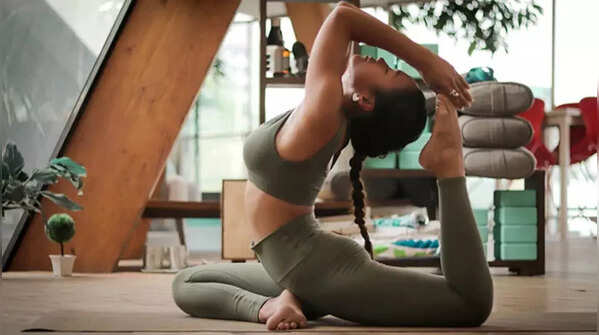
These days, it feels almost impossible to concentrate — phones buzzing, screens flashing, your mind jumping from one thing to the next. Whether you’re cramming for exams, working through a tough project, or just hoping your brain feels a bit less foggy, yoga can help bring your mind back into focus. It’s not just about stretching. The right poses can get more blood flowing to your brain, settle your nerves, and clear up mental clutter so you can actually pay attention.
You don’t need fancy gear or a studio. All it really takes is a little commitment and a bit of space on the floor. With regular practice, these asanas — paired with steady breathing — can wake up your mind and help you stay calm and sharp. Most of them are beginner-friendly, but they’re powerful enough to make a difference if you stick with them.
Here, we discuss seven yoga poses that help strengthen focus and boost your brain, plus simple steps for each one. Whether you’re brand new to yoga or looking to get more from your routine, these asanas can help you start thinking more clearly.
Tree Pose (Vrikshasana)
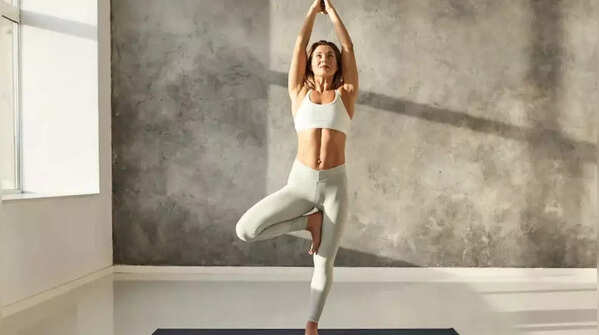
Stand on one leg, bend the other, and rest your foot against your inner thigh or calf (not the knee — that’s asking for trouble). Bring your hands together at your chest or reach them overhead. This pose gets famous for a reason — it builds balance and sharpens your focus. When you’re balancing like this, your brain has no choice but to lock in, which means you get better at tuning out distractions and feeling where your body is in space.
How to do it:
Stand tall, feet together.
Shift your weight onto your left foot.
Lift your right foot and place it on your inner calf or thigh.
Press your palms together at your chest or stretch your arms up.
Pick a steady spot to focus on and breathe slow and deep for 30–60 seconds.
Switch legs and repeat.
Tip: Keep your breathing smooth and even to help your mind settle.
Lotus Pose (Padmasana)
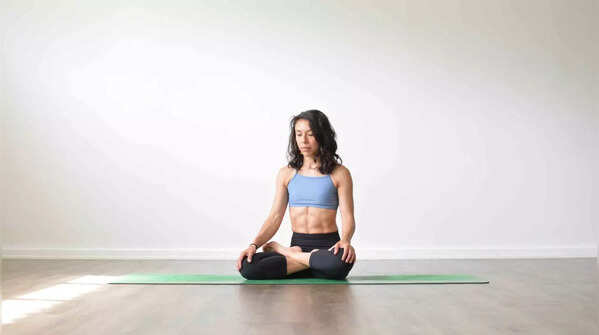
This is that classic cross-legged meditation pose. If you’re flexible, each foot lands on the opposite thigh. Sitting up tall, staying still — it’s all about calming your mind. Lotus Pose dials down the noise in your head, so concentrating on your breath or a single thought actually feels possible.
How to do it:
Sit on the floor with your legs stretched out.
Bend your right knee and place your foot on your left thigh.
Bend your left knee and place it on your right thigh (if it feels okay).
Sit up straight, rest your hands on your knees.
Close your eyes and breathe slowly for a few minutes.
Tip: Can’t do full Lotus yet? No big deal — start cross-legged and breathe deeply.
Shoulder Stand (Sarvangasana)
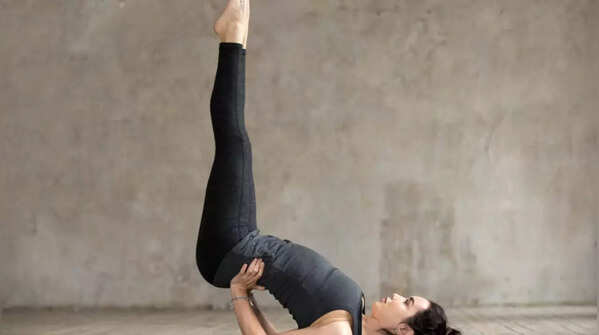
Time to flip the script. In Shoulder Stand, you balance on your shoulders with your legs reaching straight up. It takes a bit of core strength and a willingness to go upside down. That rush of blood to your head wakes you up, sharpens your thinking, and even gives your memory a boost. Sometimes you just need to see things from a new angle.
How to do it:
Lie on your back, legs straight.
Press your palms to the floor and lift your legs and hips up.
Support your lower back with your hands, and point your legs up.
Hold for 20–30 seconds, breathing steadily.
Roll down slowly to come out of the pose.
Caution: Skip this one if you have neck issues or high blood pressure.
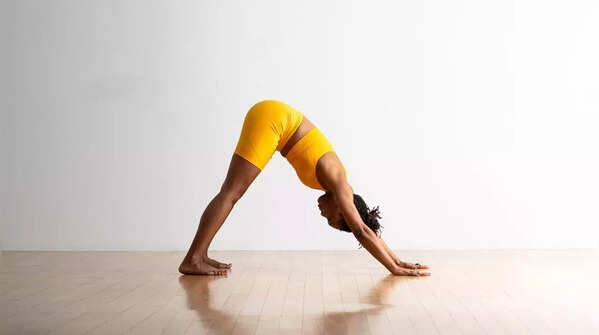
Downward-Facing Dog (Adho Mukha Svanasana)
You probably know this one already — hands and feet on the ground, hips pushed high, body shaped like an upside-down V. It’s a go-to for stretching out your back and shoulders. Plus, it gets blood flowing to your head and sweeps away mental cobwebs. You come out of it feeling more awake and a little lighter.
How to do it:
Start on your hands and knees.
Tuck your toes, lift your hips up and back, forming a V shape.
Keep your spine long, heels reaching toward the floor.
Hold for about a minute, breathing slow and steady.
Tip: Spread your fingers wide and press through your palms for better balance.
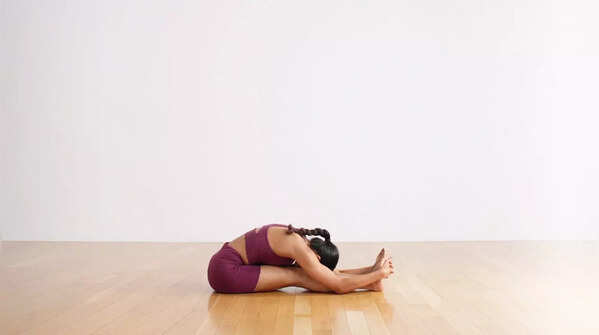
Forward Bend (Paschimottanasana)
Sit down, stretch your legs out in front of you. Inhale, lift your arms, then exhale and fold forward from your hips, reaching toward your feet. Maybe you catch your toes, maybe just your shins — either way, keep your back long and relaxed. This pose gives your hamstrings and spine a real stretch. More than that, it calms your nerves, melts away tension, and slows your mind so you can actually pay attention to what matters.
How to do it:
Sit with your legs straight out.
Inhale, raise your arms overhead.
Exhale, fold forward, and reach for your feet or shins.
Keep your spine relaxed, not hunched.
Hold for about 30 to 60 seconds.
Tip: If your hands don’t make it to your feet, grab a strap and loop it around your soles. No big deal.
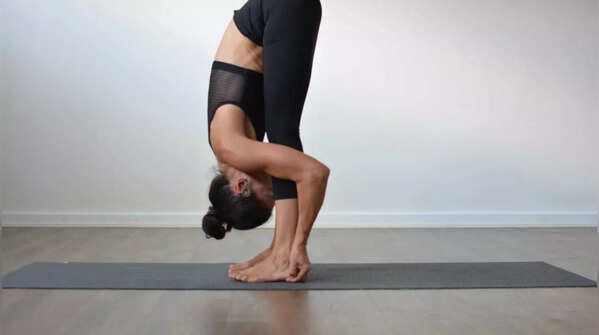
Standing Forward Bend (Padahasthasana)
Stand tall with feet about hip-width apart, then fold forward and slide your hands under your feet. It’s a deep stretch for your legs and a nice wake-up for your wrists. When you hang upside down like this, extra oxygen gets to your brain, clearing out mental clutter. You stand back up feeling more steady, more focused, just better all around.
How to do it:
Stand tall, feet hip-width apart.
Inhale, lengthen your spine.
Exhale, fold forward at the hips. Let your head hang.
Relax your neck and shoulders.
Hold for 30 to 60 seconds.
Tip: If your hamstrings are tight, bend your knees a bit. There’s no prize for locked legs.
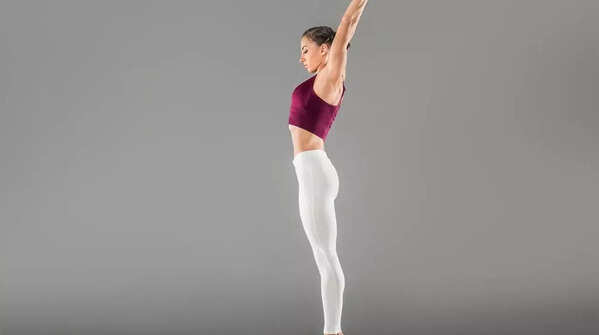
Mountain Pose (Tadasana)
Don’t let the simplicity fool you — Mountain Pose is the real deal. Stand tall, press your feet into the floor, and reach up through the crown of your head. Let your arms hang or lift them up, whatever feels right. You’re steady, grounded, and strong — like a mountain. This pose sharpens your posture and brings your attention back to your body. It’s the starting point for pretty much everything else, and it’s a quick reset when you need to find your center.
How to do it:
Stand with your feet hip-width apart.
Ground down through your feet, lengthen your spine.
Rest your arms by your sides or raise them overhead.
Close your eyes if you want, breathe deeply, and feel yourself steady for about 30 seconds.
Slow, deep breaths help shift your body into a calmer state. Let yourself settle in.
Featured In lifestyle

