
- News
- lifestyle
- health-fitness
- diet
- Best mushroom varieties for vitamin D and how to cook them
Best mushroom varieties for vitamin D and how to cook them
Best mushroom varieties for vitamin D and how to cook them
Surprisingly, mushrooms are a good source of vitamin D. But, not all mushrooms can provide you the same sunshine vitamin. A number of factors can influence their vitamin D content, such as the variety, the surroundings they were grown in or the methods incorporated to grow them. Past this, The cooking methods can also determine how well the mushrooms retain vitamin D content.
What determines the vitamin D content of mushrooms
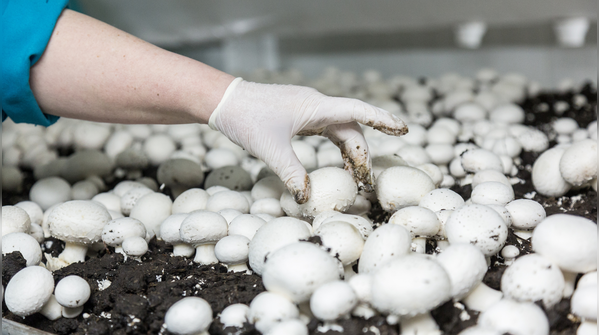
According to The Nutrition Source, the official website of the Department of Nutrition at the Harvard T.H. Chan School of Public Health, the amount of vitamin D mushrooms contain varies widely and depends on how long the mushrooms are exposed to UV light. This is because mushrooms contain a substance called ergosterol, and when this substance is exposed to UV light, it produces vitamin D2. This form of vitamin D is only found in plants.
So, mushrooms grown in dark, controlled environments indoors will contain little (if any) vitamin D, unless exposed to UV lights.
Best mushroom varieties for vitamin D
The Nutrition Source notes, “Estimates show that fresh wild mushrooms can contain up to 1200 IU of vitamin D per 3.5-ounce serving, whereas mushrooms grown in darkened conditions like white button, shiitake, and oyster contain less than 40 IU.
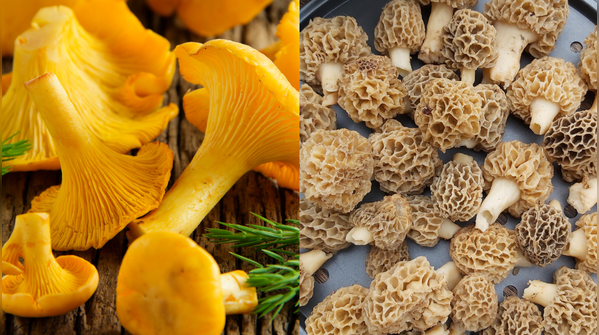
According to Harvard T.H. Chan School of Public Health, the best mushroom varieties for vitamin D are: Chanterelles and Morels.
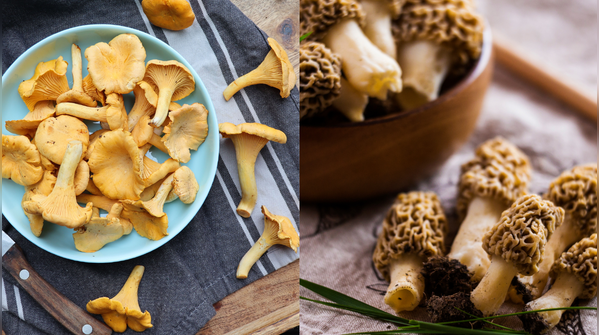
Chanterelles and Morels
Chanterelles
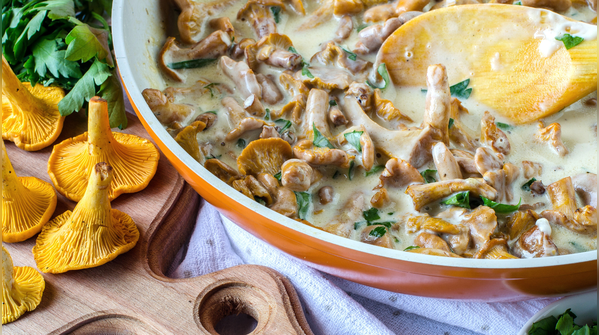
These are golden-yellow to orange colored wild mushrooms. These mushrooms are funnel shapes, and fruity in aroma. Their smell is said to be “fruity” and smells like apricots.
Morels
According to Fungi.com, these are also called sponge mushrooms sometimes. Morels have a distinct, ridged, and pitted cap that sets them apart in the wild. Morels have honeycomb-like caps. These caps range in color from golden yellow to dark brown or black, depending on the species and environment.
How to cook mushrooms for optimal vitamin D retention
According to The Nutrition source, mushrooms are delicate and should be cleaned gently. Placing them under gentle running water or brushing the dirt off with a dampened towel is recommended. Humidity and cooking mushrooms in water do not appear to affect their vitamin D content, but cooking them in fat (such as oils) can cause the vitamin to leach out because it is fat-soluble.
The site notes, sautéing mushrooms quickly over high heat, or simmering over low heat, such as in soups, are ideal cooking methods for preserving nutrients.
Featured In lifestyle

