
- News
- lifestyle
- health-fitness
- 5 exercises that can help improve fertility
5 exercises that can help improve fertility
5 exercises that can help improve fertility
Many couples these days are struggling with infertility, that is the inability to conceive a child, or recurrent miscarriages. While age plays a huge role when it comes to female fertility, as it sharply declines post 35, other factors too, come to play. While medications do help, there are many exercises that can help a woman conceive naturally, or even prepare their bodies for procedures like IVF. Of course one needs to keep in mind that these can only improve some results, however, they are not a cure for fertility treatments, especially if a couple has been actively trying for over a year without any success. Take a look...
Brisk walking
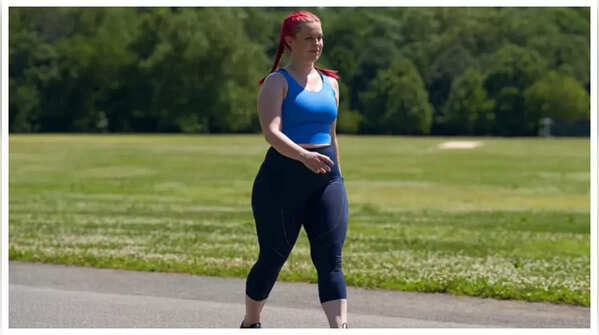
Brisk walking serves as a simple yet powerful method, which helps people develop better insulin sensitivity while supporting their ovulation process and weight management, particularly for women who are overweight, obese, or have PCOS because their insulin resistance, can cause infertility. Research reviews indicate that women who do moderate exercise activities, will achieve better ovulation and reproductive health results.
Aim for:
30–45 minutes of brisk walking on most days of the week.
A pace where you can talk but not sing (moderate intensity).
Research on big social groups shows that women who walk fast, will get better ovulation results, which leads to better fertility results for obese women. Walking is also safe to continue for most women during fertility treatments, unless a doctor advises otherwise.

Aerobic exercise (cycling, swimming, light jogging)
Aerobic exercise helps people lose visceral fat, while it enhances the body's ability to use insulin effectively, helping women achieve normal androgen hormone levels, which benefits those who have anovulatory infertility, and PCOS. Research indicates that women with PCOS who have overweight or obesity status, should do vigorous aerobic exercise or resistance training, because this method will produce their optimal chances for pregnancy. Research shows that aerobic exercise training helps women with PCOS by enhancing their body's ability to use insulin properly, and it also helps them regain their ability to ovulate.
Practical ideas:
Aim to do 150 minutes of moderate aerobic exercise, which includes cycling, swimming, and low‑impact dance activities.
Alternately, you can do 75 minutes of more vigorous cardio, if you are not underweight and your cycles are regular.
Network meta-analysis shows that aerobic exercise, combined with dietary changes and medical treatment when necessary, leads to significant improvements in ovulation rates and pregnancy success for overweight and obese women, who want to get pregnant.

Strength training for metabolic health
Strength or resistance training, helps people develop muscle mass while it enhances their body's ability to use insulin and maintains their weight distribution, which supports their hormone equilibrium and egg release. Studies about exercise impact on female fertility show that aerobic and resistance training, help obese women with PCOS to lose weight, while their body becomes more insulin sensitive and their lipid profiles improve, which leads to better fertility even when they only lose a small amount of weight.
You can include:
2-3 sessions per week, which use bodyweight exercises such as squats, lunges, push-ups, resistance bands and light weights.
The workout should concentrate on exercising your body's major muscle groups, which include your legs, hips, back and core area.
Experts agree that lifestyle interventions which include resistance training serve as effective methods to treat anovulatory infertility, which occurs in obese women with metabolic syndrome. The development of additional muscle mass leads to better glucose management, which benefits women before they become pregnant and during their first pregnancy trimester.

Yoga for stress, hormones, and IVF outcomes
Yoga practice which includes soft body exercises, stretching, breathing techniques and relaxation methods, shows increasing proof that it supports fertility in both men and women. Research findings demonstrate that yoga practice enables people to control their oxidative stress, hormonal balance, ovarian function, menstrual cycle regularity and stress levels, which all affect fertility.
Research shows that women who practiced yoga, together with mind–body programs during their IVF treatment, achieved superior implantation, and pregnancy success than women who did not practice these methods.
The practice of yoga should focus on gentle methods, which include restorative yoga, prenatal, and fertility yoga when someone wants to get pregnant or receives medical treatment. Yoga provides exercise options which many women can practice, because their joint pain, fatigue and medical conditions prevent them from doing strenuous physical activity.

Mind–body programs (yoga + relaxation + counseling)
The combination of basic stretching and yoga poses with breathing exercises, relaxation techniques, group or individual counseling makes up structured mind–body programs. These programs focus on treating the severe mental stress which frequently occurs during infertility treatment, because it disrupts hormone production and sexual functions, and makes it harder for patients to follow their treatment plans.
Disclaimer: This article is informational only and not a substitute for medical advice
Featured In lifestyle

