
Why you should avoid certain types of sprouts and 3 common mistakes to avoid while consuming them
Importance of sprouts and why some of them are not good
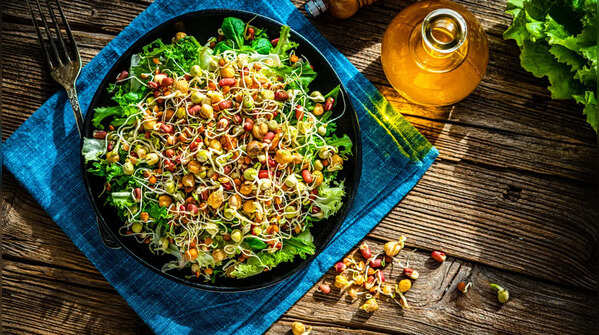
When it comes to sprouts, they are often considered part of a balanced meal. From breakfast to dinner, sprouts are used in many ways. While some like them as a salad, others prefer soup or stew made with them. While sprouting is known to enhance nutrient absorption, not all sprouted foods are safe for the human body. In fact, some sprouted vegetables can be harmful or even toxic to human health. In a recent Instagram video, health and wellness expert Dimple Jangda highlighted sprouted vegetables that one should avoid. In the video, she explains, "The production of these toxic compounds is a natural defense mechanism for plants against predators. While these vegetables are nutritious when fresh, it is advisable to avoid consuming them when sprouted due to changes in their chemical composition and potential toxicity."
Benefits of sprouts
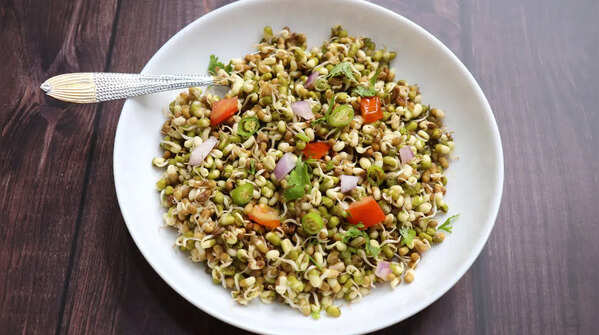
According to a study titled Edible Plant Sprouts: Health Benefits, Trends, and Opportunities for Novel Exploration, sprouts are full of benefits. They are said to improve insulin function. Also, sprouts like mung beans, chickpeas, and lentils are rich in plant-based protein, which is essential for muscle repair, immunity, and energy. They are also rich in dietary fiber, which aids digestion, keeps you full for longer and supports gut health and weight management. The study also highlights that they are rich in vitamins A, C, K, and B-complex like B1, B2, B6, and folate, which are necessary for energy, metabolism, and brain function. They are also rich in iron, magnesium, zinc, calcium, phosphorus, and potassium.
Onions
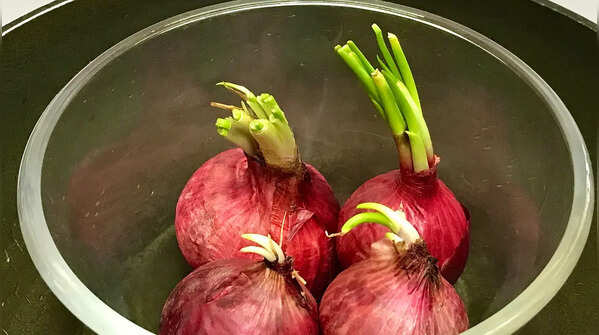
Dimple explains, "Sprouted onions produce higher levels of alkaloids, particularly N-propyl disulfide which can damage red blood cells and cause hemolytic anemia. Their consumption can lead to symptoms including nausea, vomiting, abdominal pain, and diarrhea." Also, the sprouting process breaks down sugars and starches, making onions softer and less crisp, and this can be a sign that the onions are aging and might soon rot or develop mold.
Garlic
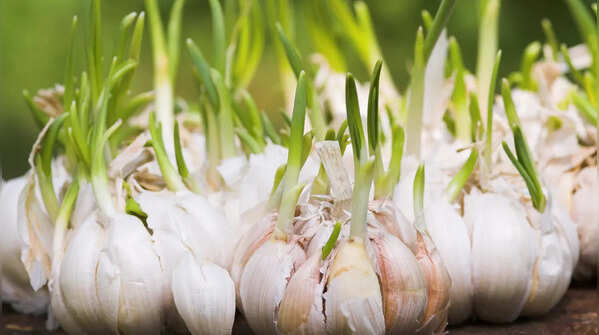
According to Dimple, similar to onions, sprouted garlic contains higher concentrations of sulfur compounds that can cause gastrointestinal distress and oxidative damage to red blood cells. Hence, one should avoid them. Also, as garlic sprouts, its nutrients start supporting the growth of the shoot rather than your body. And, sprouting can make the cloves rubbery or dry, reducing quality.
Potatoes
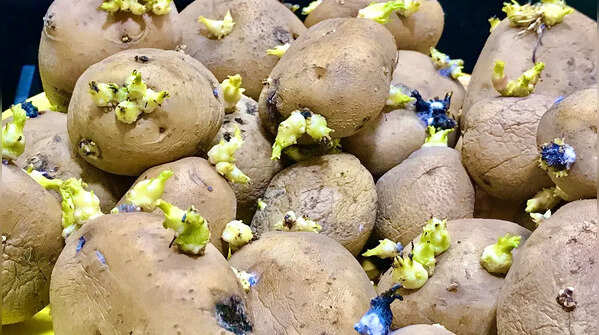
It is mentiond in the video that sprouted potatoes contain glycoalkaloids, which concentrate in the sprouts and green parts of the potato. Consumption of such potatoes can lead to solanine poisoning, with symptoms including nausea, vomiting, diarrhea, headaches, and neurological issues. These compounds also make the potatoes taste bitter and unpleasant.
Mistake 1: Eating them before they are ready
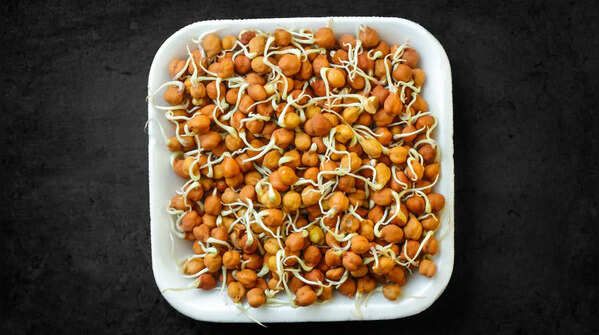
Ensure sprouts are ready for consumption. It is suggested to observe carefully that the sprouts are well grown with the shoots as long as the seeds. This is essential for the efficient digestion of sprouts.
Mistake 2: Not combining the protein right
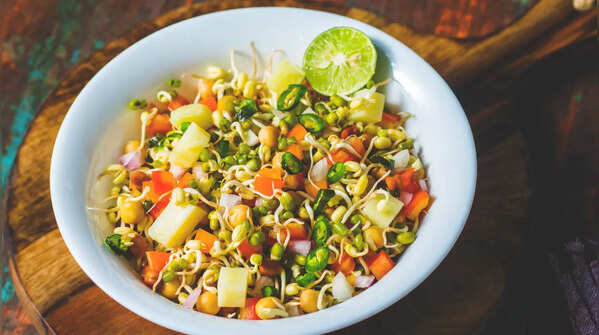
Many people eat sprouts for their protein content. To build protein, you need amino acids. For this to happen, you must eat a combination of different types of sprouts.
Mistake 3: Growing sprouts in the wrong temperature
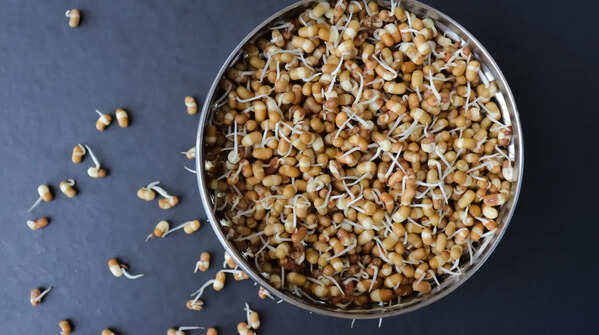
And lastly, a warm, humid condition in which sprout grows also promotes the growth of bacteria. So unfortunately, eating raw or lightly cooked sprouts can definitely lead to indigestion or bloating. Look for the appearance of the sprout before consuming it. If they are smelly or slimy, do not eat them.
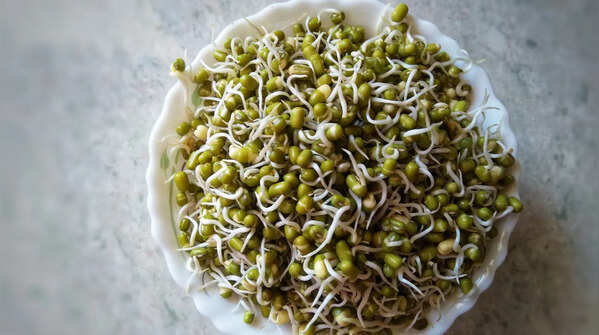
Are longer sprouts nutritious
In an Instagram post, celebrity nutritionist Shweta Shah has mentioned that the longer they (sprouts) grow, the more nutrients they lose as they fuel their growth into plants. She also highlights that they can attract harmful bacteria and fungi. Some microbes are good for plants, but can be harmful for humans. And, they can also cause digestive issues or foodborne illnesses. Shweta also mentioned on Instagram that small, fresh sprouts are better and are packed with prana-life force energy. One can add turmeric and lime for better digestion and stronger immunity.
Images Courtesy: istock
Featured In Food

MORE FROM ETIMES
life & style