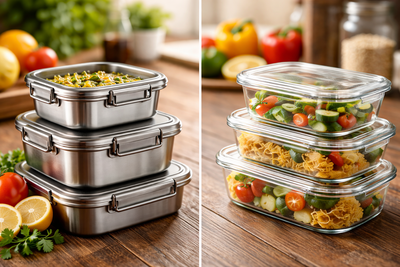
For those individuals who place a significant emphasis on maintaining a 'clean' eating lifestyle and have a strong enthusiasm for integrating elements that contribute to a neutral aesthetic within their kitchen space, glass containers often emerge as the foremost selection when it comes to practical and stylish solutions for everyday food storage needs. These containers not only provide functionality but also complement the overall aesthetic of the kitchen.Choosing how to store food might seem like a small domestic detail, but it sits at the crossroads of health, habit, and longevity. In Indian kitchens especially, stainless steel dabbas share shelf space with sleek glass jars and airtight meal-prep boxes, each promising freshness and safety in its own way. The debate is no longer just about tradition versus trend; it now touches questions of chemical leaching, heat resistance, staining, odour retention, and breakage. As more people reheat leftovers, batch-cook meals, and switch to plastic-free storage, the choice matters more than it once did. Here’s how steel and glass really compare when everyday use and long-term safety are carefully examined.
Steel containers: Tough, travel-friendly, and old-school reliable
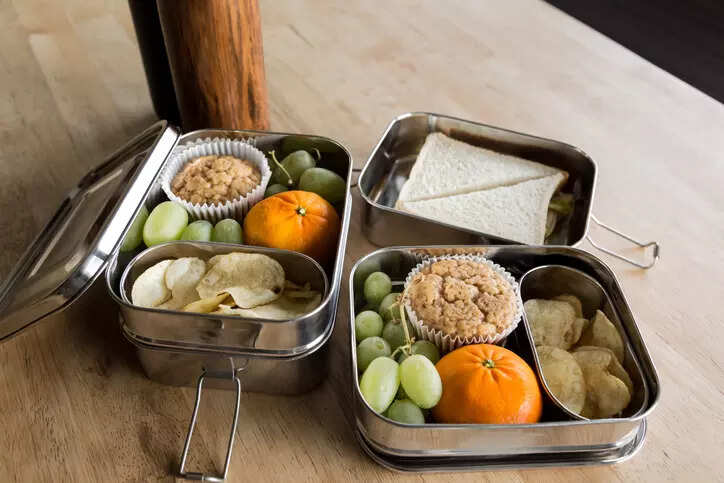
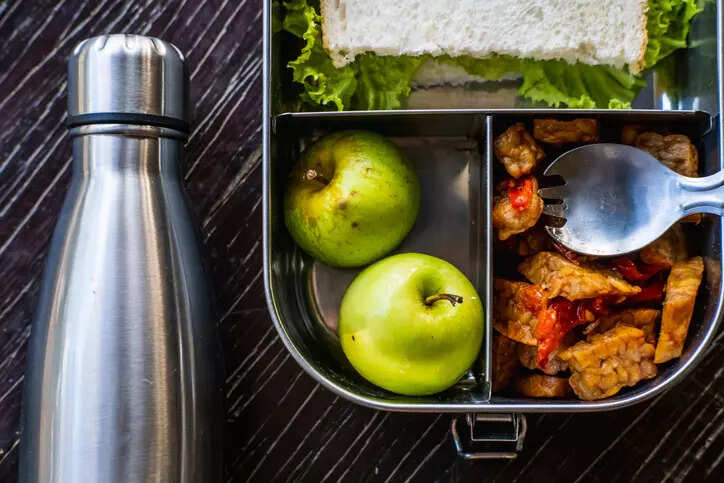
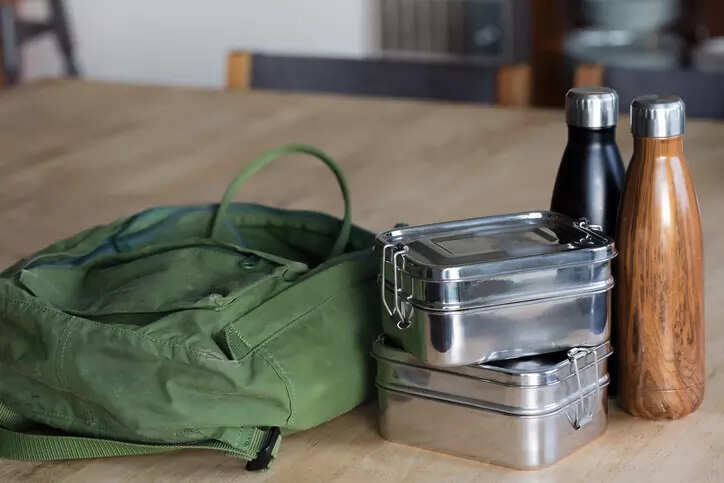
Stainless steel containers have long been a fundamental component of Indian kitchens for many generations, well before the phrase "BPA-free" emerged as a trendy marketing term. Their well-deserved reputation is founded on three main advantages: outstanding durability, chemical neutrality, and impressive portability.
These containers boast an exceptional resistance to staining and unpleasant odours, in addition to being remarkably easy to clean, which makes them an ideal option for everyday food storage needs.
Why they’re considered safe
Food-grade stainless steel, often categorized as 304 stainless steel or denoted by the designation 18/8, is recognized for its exceptional non-reactive characteristics concerning a diverse range of food items. This particular property indicates that it is incapable of leaching any harmful substances into the various culinary creations you may prepare, which can include an array of dishes such as savory curries, nourishing dals, fluffy rice, or even the leftovers you opt to store for later use. When placed alongside certain plastics, food-grade stainless steel emerges as a superior and more secure alternative, as it lacks dangerous materials like BPA and phthalates.
This makes it an especially attractive option for those individuals who are keen on minimizing their exposure to potentially hazardous chemicals that can be found within alternative materials. Additionally, stainless steel naturally exhibits a notable resistance to the proliferation of bacteria, provided that it is properly cleaned and maintained on a regular basis. Furthermore, it does not tend to absorb unpleasant odors, cooking oils, or stains, which implies that with a thorough wash, this material typically returns to a completely neutral state, rendering it a highly favored choice for various culinary endeavors.
Why steel works so well for everyday use
The extraordinary strength that steel possesses is intrinsically tied to its impressive resilience. This incredibly tough material has an exceptional ability to withstand drops, making it a reliable choice for everyday use. Moreover, it can be easily packed into overstuffed bags, proving to be highly convenient during the constant hustle and bustle of daily commutes. Steel can even be carelessly tossed into a variety of backpacks without exhibiting any signs of wear, damage, or cracking. Due to these favorable qualities, steel has emerged as an exceptionally sought-after material for a vast range of applications, including lunchboxes, travel meals, school tiffins, and picnic supplies.
When drawing a comparison between stainless steel containers and sturdy glass jars, it becomes abundantly evident that stainless steel containers are considerably lighter and vastly more manageable and easier to pack. Additionally, a number of the modern designs available in today's market are equipped with tight-fitting, leak-resistant lids that are designed to handle the jostling and vibrations that typically occur during transportation. For families who excel in batch cooking, relish dining outdoors, or require consistently packed lunches, stainless steel truly emerges as the most practical and stress-free option available in the marketplace today.
The downsides to know
Steel is undoubtedly renowned for its exceptional strength and notable durability, making it a popular choice as a construction material across various industries. However, it is essential to acknowledge that this material also comes with its own set of inherent limitations that warrant discussion. One significant drawback is its complete opacity; thus, in order to identify the contents within a steel container, it becomes necessary to physically lift the lid. While this may initially appear to be a minor inconvenience, it can often escalate into considerable frustration, especially during those hectic mealtime rush periods when one is trying to navigate through a cramped and disorganized refrigerator.
Additionally, due to the inherent properties that are typical of steel, these containers are fundamentally ill-suited for use within microwave ovens. Consequently, when it comes time for you to reheat your meal, you frequently find it necessary to transfer your food into a different dish prior to placing it in the microwave in order to effectively warm it up.
There exists a multifaceted issue that requires our dedicated focus and thoughtful consideration. Foods that are classified as highly acidic, including tomato-based sauces and gravies, salads adorned with lively and tangy citrus dressings, or pickles that are steeped in flavorful vinegar, pose a noteworthy risk of adversely reacting with lower-quality steel, especially when these items are stored for extended periods. Such chemical interactions can sometimes result in a significant and unpleasant alteration in both the taste and overall flavor profile of the food products being discussed. While it is widely acknowledged that utilizing high-grade stainless steel can greatly reduce this risk and contribute positively to food storage safety, it remains vital to understand that a considerable number of chefs, along with many home cooks, often choose to avoid the practice of storing their acidic culinary creations in metal containers for prolonged durations. This aversion is particularly marked among individuals who place a high priority on preserving the freshness and quality of flavor, viewing these elements as indispensable in their cooking endeavors.
Glass containers: Clean, clear, and chemically inert
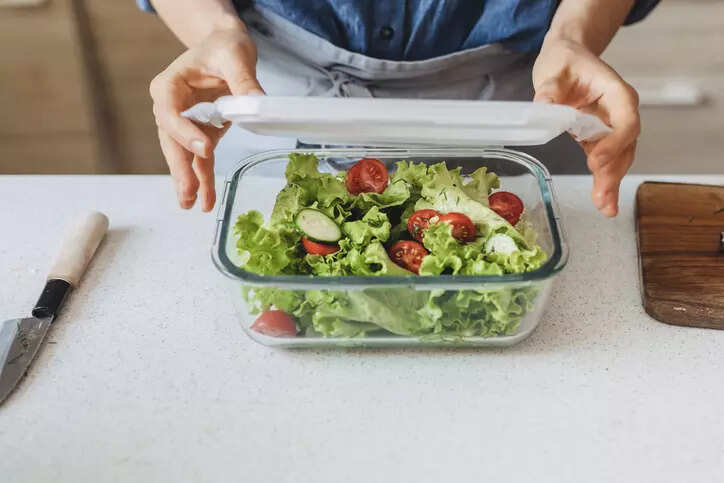
In today's modern kitchens, glassware is experiencing a remarkable resurgence, particularly among households that are increasingly making a deliberate effort to minimize their reliance on plastic. A significant portion of its appeal can be attributed to the immaculate impression it creates, coupled with the practicality it offers by permitting an unobstructed view of contents; one can effortlessly inspect leftovers, spices, or soaked grains at a mere glance without having to remove a single lid. Moreover, glass containers exhibit a remarkable resistance to both staining and odours, which renders them particularly advantageous for storing strongly scented foods such as curries, pickles, and masalas that often leave behind enduring residues in porous materials. Additionally, tempered glass variants demonstrate superior durability and are better equipped to handle reheating when compared to many plastic alternatives, while airtight seals ensure extended freshness and considerably lessen the potential for accidental spills within bustling refrigerators and pantry environments.
Why they’re considered safe
Food-grade glass is held in high esteem for numerous reasons, with the foremost being its remarkable chemical inertness. This unique property ensures that it does not react with acidic ingredients including robust curries, salty pickles, or dishes that are heavily spiced, thereby preserving the integrity and fresh flavors of these culinary creations. Moreover, glass containers significantly benefit from the additional advantage of not absorbing unpleasant odors, stubborn stains, or colors from prior meals, which makes them a highly preferred option for food storage. From a safety standpoint, this characteristic of chemical neutrality is exactly what makes glass a widely recognized gold standard among materials utilized for food storage: there are no coatings that could potentially degrade over time, nor are there any hidden additives that could leach harmful substances into the food.
Many contemporary glass storage solutions not only provide various benefits but are also thoughtfully engineered to allow for the seamless transfer of items directly from the refrigerator to either the microwave or even the oven. This incredible convenience is made possible as long as the lids are either taken off or made from materials that can withstand higher temperature levels. The impressive adaptability offered by these solutions not only streamlines the process of heating up leftovers but also plays a vital role in preserving the rich and intense flavors that are the hallmark of the original culinary creation.
Where glass excels
The ability to swiftly and efficiently see and identify various food items within your refrigerator can be incredibly useful and advantageous for maintaining freshness and minimizing waste. By utilizing glass containers for food storage, not only does it enhance visibility, but it also significantly contributes to organizing your fridge in a more effective manner. This level of improved organization can lead to a substantial reduction in the amount of food that may get forgotten or pushed to the back of the fridge, where it often becomes easily overlooked and subsequently wasted. This particular strategy proves to be highly efficient for storing a diverse assortment of food items, including gravies, sliced fruits, fermented products, as well as meals that you are planning to consume within just a few days.
For those individuals who prioritize a commitment to maintaining a 'clean' eating lifestyle and exhibit a strong passion for seamlessly incorporating elements that promote a neutral aesthetic within their kitchen environment, glass containers frequently stand out as the top choice when it comes to practical and fashionable solutions for everyday food storage requirements. These versatile containers not only offer essential functionality but also enhance and complement the overall aesthetic appeal of the kitchen space.
The drawbacks
One of the most significant disadvantages associated with glass is its inherent fragility. A single accidental slip from a countertop can result in unsightly cracks or even total breakage, and despite the efforts made to create stronger versions like toughened or borosilicate glass, even these are not completely resistant to mishaps in the hectic atmosphere of busy kitchens. Another practical concern is the weight of glass items: glass containers tend to be considerably heavier compared to their steel counterparts, which renders them less practical for everyday use, particularly when it comes to commuting, packing lunches, or traveling. Moreover, there is the issue related to the lids of these containers. Although the glass itself remains neutral in terms of taste and odor, the accompanying plastic or silicone lids may become stained, warped, or retain persistent smells from strong food items over an extended period. This leads to the necessity for additional care during cleaning, as well as planned replacements, contributing to a small yet ongoing aspect of maintenance necessary for long-term use.
Safety face-off: Steel vs glass
- When chemical safety is the main concern, glass has a small advantage because it remains completely inert, even when acidic foods sit inside for days.
- Steel, however, is also highly safe when it is food-grade and properly cared for, and it is far more reliable than many older plastic containers.
- From a physical safety standpoint, steel comes out ahead. It doesn’t shatter or create sharp shards, which matters in homes with children or in fast-moving kitchens.
- For hygiene, the two are evenly matched. Both materials are non-porous, easy to scrub, and can be thoroughly cleaned with hot water and soap.
For daily convenience, it depends on lifestyle:
• Commuters and school lunches often favour steel.
• Home storage, meal prep, and reheating tend to favour glass.
So, which is safer for food storage?
When assessing safety based exclusively on how various materials hold up when in contact with food over long periods of time, glass often stands out as the preeminent choice, especially for those flavorful, tangy curries or meals that are intended to be kept for several days. Nevertheless, it is essential to understand that kitchens do not operate like sterile laboratories. In the real world, containers may be unintentionally knocked off kitchen counters, squeezed tightly into bags for transport, stacked into already overflowing cupboards, and hurriedly reheated in the microwave—situations that are far more common in daily life than one might think. In these typical scenarios, well-manufactured stainless steel containers demonstrate remarkable reliability and dependability.
Rather than simply viewing this selection as a direct confrontation between different types of materials, a significant number of seasoned cooks adopt a more sophisticated perspective that recognizes it as a harmonious pairing: they frequently employ glass containers for both the storage and reheating of meals within the confines of their homes, while choosing to use stainless steel for food preparation tasks when they are on the move and for their daily meal packing needs. Ultimately, the healthiest and most suitable choice for any individual depends on what seamlessly integrates with their everyday routines, ensuring not only effortless cleaning but also being free from unsightly dents or chips, and constructed from reliable, food-grade materials. In this respect, the ongoing maintenance and care of these containers is just as crucial as the quality of the materials utilized in their design and build.