
7 natural sleep experts from the animal kingdom

7 natural sleep experts from the animal kingdom
While sleep is a crucial component of survival for all living organisms, some animals take the concept of sleep to an extreme level. Ranging from tree-dwelling animals to nocturnal predators, the long hours of sleep are essential for conserving energy, digesting difficult food, or escaping predators. Analysing these natural “sleep experts” helps one understand the connection between sleep and other factors, as opposed to associating it with laziness.
Image Credit: Canva
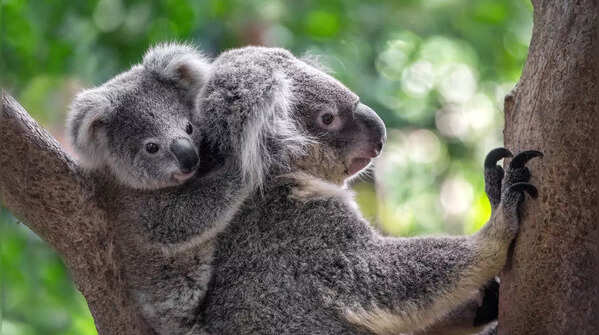
Koala
Koalas are among the sleepiest mammals on Earth, often resting 18 to 22 hours a day. Their eucalyptus-leaf diet provides very little energy and is difficult to digest, so long sleep helps conserve energy and support slow digestion. This extreme rest pattern allows them to survive on limited nutrition while remaining safely hidden in trees.
Image Credit: Canva
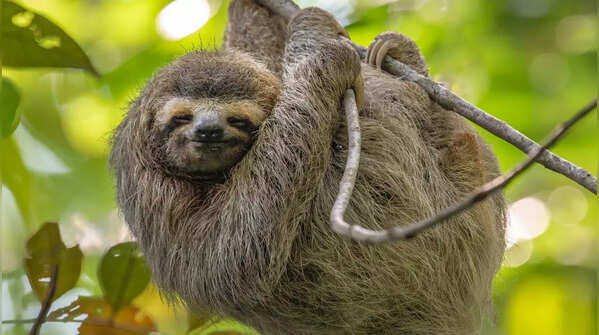
Sloth
Sloths are famous for slow movement and extended rest, typically sleeping around 14 to 18 hours daily, though this varies between wild and captive environments. Long sleep reduces their metabolic rate and helps them conserve energy from a low-nutrient diet while staying less visible to predators in forest canopies.
Image Credit: Canva
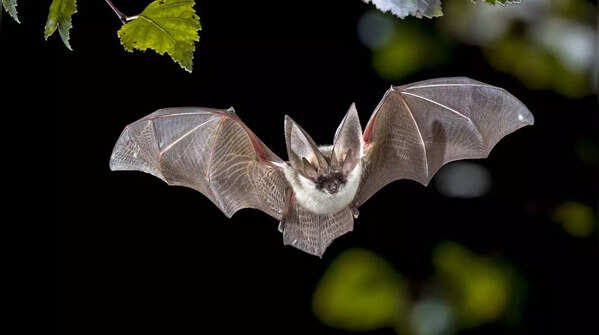
Little Brown Bat
Little brown bats are nocturnal insect hunters that may sleep up to about 20 hours a day while hanging upside down in sheltered spaces. Their prolonged daytime rest conserves energy for nighttime feeding and supports survival in environments where food must be gathered quickly during dark hours.
Image Credit: Canva

North American Opossum
North American opossums commonly sleep around 18-19 hours each day, usually in dens or tree hollows. As nocturnal scavengers, resting through daylight helps them avoid predators and recover from nighttime foraging. Long sleep may also support healing and immune function, improving their chances of survival in varied habitats.
Image Credit: Canva
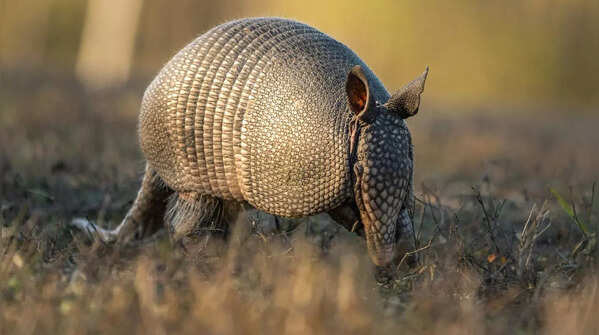
Giant Armadillo
Giant armadillos spend close to 18 hours sleeping inside underground burrows they dig themselves. Because they are solitary, nocturnal animals that search for insects at night, extended rest helps restore energy for digging and foraging while also protecting them from daytime heat and predators.
Image Credit: Canva
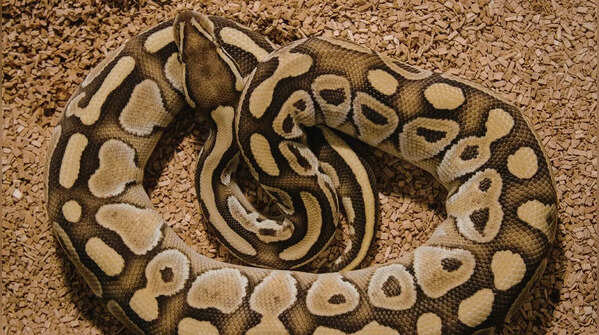
Python
Pythons often remain inactive and sleep 18 hours or more, especially after consuming large prey. Their bodies require long, quiet periods to digest food efficiently, and reduced movement conserves energy between hunts. Slow metabolism and extended rest are therefore key survival strategies for these ambush predators.
Image Credit: Canva
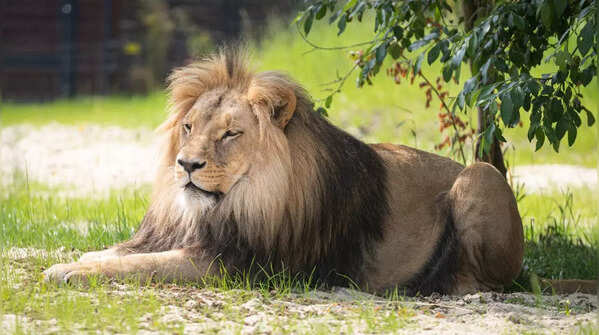
Lion
Lions are powerful hunters but spend much of their time resting, sometimes sleeping or lounging for most of the day to conserve strength for hunting. This pattern shows that even top predators rely heavily on rest to maintain energy for short bursts of intense activity rather than constant movement.
In forests, burrows, and savannas, long sleep is a strategy for survival that is influenced by the availability of food, metabolism, and security. Koalas and sloths sleep for long to conserve energy, while lions and pythons sleep to prepare for their hunting missions. These animals are experts in sleeping, and they show that sleep is not a sign of weakness but a strategy for survival.
Image Credit: Canva
Featured In lifestyle

MORE FROM ETIMES
life & style