
Forget summer coolers & energy drinks: 6 desi foods farmers eat and drink to survive extreme heat in the field
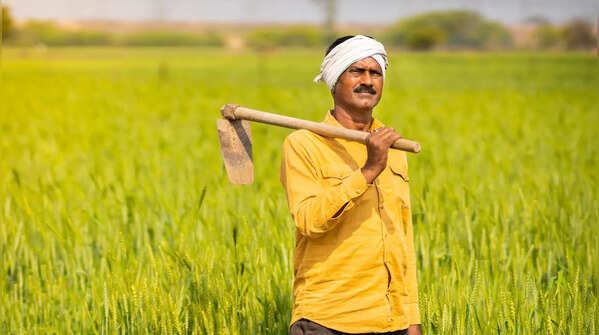
Foods that farmer eat to beat the heat
We often complain about the hardships of summer days while sitting in air-conditioned offices and enjoying hydrating energy drinks and summer coolers. But have you ever thought about how farmers survive extreme heat in wide open fields? Indian farmers battle unforgiving summers every year and provide us with grains, fruits and vegetables throughout the year. They have been working with nothing but instinct, tradition, and food wisdom passed down through generations. Working for long hours under a blazing sun (read temperatures crossing 45°C-48°C, they relied on simple, seasonal foods that kept their bodies cool, hydrated, and energised.
According to experts, these are not random choices, these foods are practical, powerful, and deeply rooted in local knowledge.
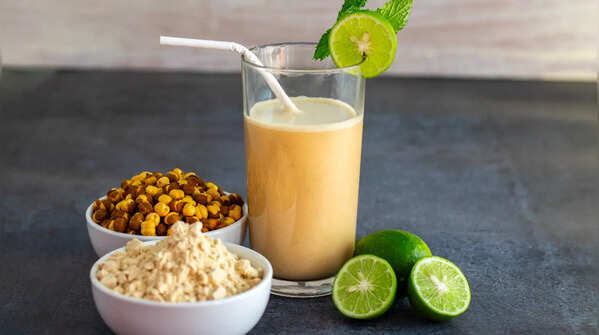
Sattu
It is arguably the ultimate desi superfood and a farmer's best friend for centuries. It is made from roasted gram flour and mixed with water, salt, lemon, or jaggery to create a quick, refreshing drink. In the past, it was also served as a porridge, where water, salt, and mustard oil were added, and it was enjoyed with bharwa mirch ka achar and onion on the side. It's rich in protein, fibre, and essential minerals, making it both filling and energising. According to Ayurveda, it acts as a natural coolant, helping regulate body temperature and prevent dehydration. Plus, it is very easy to carry and light in weight. Farmers used to pack it in polybag or tiffin dabba and could sustain through long hours of labour without draining their energy.
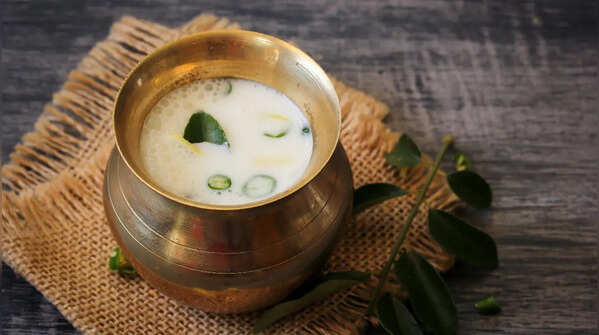
Chaas
Also known as buttermilk, it has been a farmer's go-to summer drink for centuries. Farmers often carry it in clay pots, allowing it to stay naturally cool even under the sun. It is packed with probiotics, which aid digestion and replenish electrolytes lost through sweat. Farmers often added a pinch of salt and roasted cumin powder and fresh mint leaves from the field to enhance its flavour and cooling properties. According to Ayurveda, it is light on the stomach, deeply hydrating, and incredibly effective against heat exhaustion.
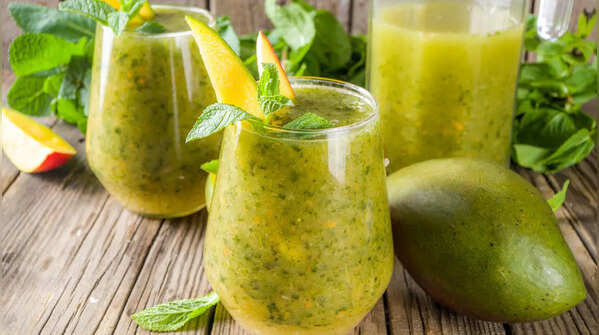
Aam Panna
This has also been one of the most inexpensive summer foods as farmers would pluck fresh raw mangoes from the field and make the drink. Aam Panna is traditionally made with raw mango pulp, jaggery, and spices like cumin and black salt. This tangy drink has been associated with heat protection and farmers relied on it not just for taste but for its medicinal benefits. According to Ayurveda, it helps restore salt balance in the body and is widely believed to prevent heat stroke.
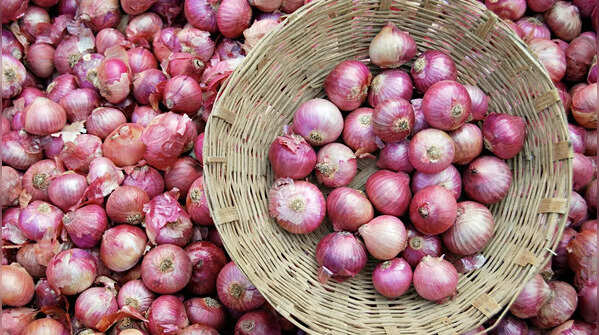
Onion
As an ingredient it might look very simple but raw onions were a non-negotiable part of a farmer’s summer meal. They would eat it with roti-dal and would even add it to sattu drink or serve it on the side of sattu porridge. According to Ayurveda, raw onions help protect the body against heat stroke by regulating internal temperature. They also contain antioxidants and compounds that support overall health.
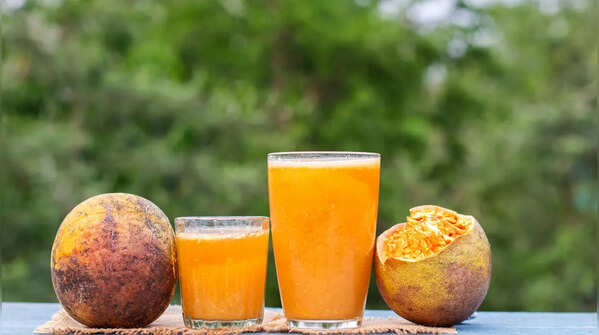
Bael Sharbat
While it has become an Instagram fad now, it has been deeply valued in traditional diets, and farmers often consumed it during peak summer for its powerful cooling effects. It is made from the pulp of the bael fruit, which is mashed, strained, and diluted with water, then seasoned with salt, sugar, and cumin powder. Traditionally, red muslin cloth was used to mash it to help extract maximum pulp and the same wet cloth was used to wrap the vessel to keep it cool under trees in the field.
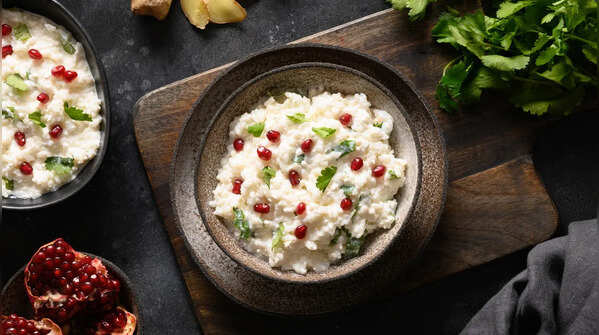
Curd Rice
While it has been a staple in many parts of India, it has been a go-to meal for farmers seeking comfort and cooling relief during the day. These days it looks fancy, but traditionally, it was made by combining leftover rice and curd, as it was easy to digest and soothing for the stomach. The probiotics in curd improve gut health, while the carbohydrates in rice provide sustained energy.
Images Courtesy: istock
Featured In Food

