
8 famous Indian street foods that were once royal dishes
8 famous Indian street foods that were once royal dishes
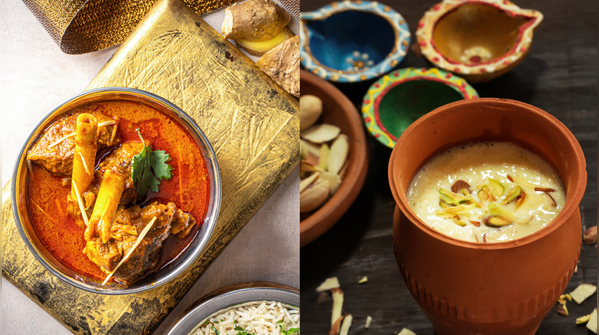
There was a time when some of India’s most beloved street foods did not belong to crowded bazaars or roadside stalls at all. They belonged to royal kitchens. Before they became evening snacks wrapped in paper, they were plated on silver trays, prepared by palace cooks, and served to kings, nawabs and noble families with extraordinary care. Indian food history has always moved in fascinating ways. Dishes travelled from courts to common homes, from royal feasts to railway stations, from banquet halls to busy lanes glowing under yellow bulbs at midnight. Scroll down to explore the famous Indian street foods that were once served in royal kitchens...

Biryani
Few foods have travelled from royal kitchens to common streets as dramatically as Biryani. Today it is sold everywhere, from roadside stalls to late-night delivery counters, but historically it was associated with Mughal courts and elite dining traditions.
Royal cooks treated biryani as an art form. The rice had to remain separate and fragrant, the spices balanced, and the meat tender enough to fall apart without losing texture. Saffron, dry fruits, rose water and slow cooking techniques turned it into a dish of status and celebration.
In many royal households, biryani was prepared for large gatherings, diplomatic feasts and important ceremonies where food itself reflected prestige. The process demanded patience and precision, especially during dum cooking, where steam sealed inside the pot slowly deepened the flavours. A well-made biryani was not just considered delicious; it was seen as proof of culinary mastery.
Over time, cities like Hyderabad, Lucknow and Kolkata shaped their own versions. Eventually, biryani escaped palace walls and became democratic food: comforting, indulgent and available to everyone. Yet even the cheapest plate still carries the grandeur of its royal past.

Kebabs
The smoky charm of Kebab has deep aristocratic roots. In Mughal and Awadhi courts, kebabs were not casual snacks. They were carefully refined dishes designed for rulers with sophisticated tastes.
Legend says some soft varieties were even created for ageing nawabs who could no longer chew properly. Palace cooks minced meat finely, infused it with spices, herbs and ghee, then cooked it over charcoal for maximum flavour and tenderness. The process was treated almost like culinary craftsmanship, where texture mattered as much as taste. Every skewer carried layers of aroma from cloves, saffron, cardamom and slow-burning coal smoke, creating a richness that felt luxurious long before fine dining became fashionable.
Today kebabs sizzle openly on street grills across India. The setting may have changed from royal courtyards to crowded lanes, but the obsession with softness, smoke and spice remains almost identical.
Kachori
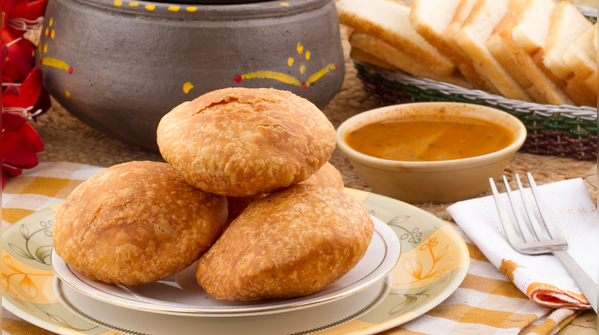
Kachori may look humble now, but versions of stuffed fried breads were once associated with festive royal cooking in regions like Rajasthan and Uttar Pradesh.
Royal kitchens loved foods that balanced richness with portability. Kachoris filled with lentils, spices, dry fruits or aromatic mixtures became ideal for long journeys, hunting trips and celebrations. The outer shell had to remain crisp while the filling stayed flavourful and layered.
In many princely households, cooks experimented constantly with texture and spice blends, turning simple dough into something far more elaborate. Certain versions were served during special gatherings or alongside lavish feasts, where snacks themselves became markers of hospitality and status. The careful layering of hing, black pepper, fennel and ghee gave kachoris a depth that lingered long after the first bite.
As these recipes spread beyond courts into local markets, the luxury ingredients became simpler, but the spirit of indulgence survived. Even today, biting into a hot kachori still feels faintly celebratory.
Nihari
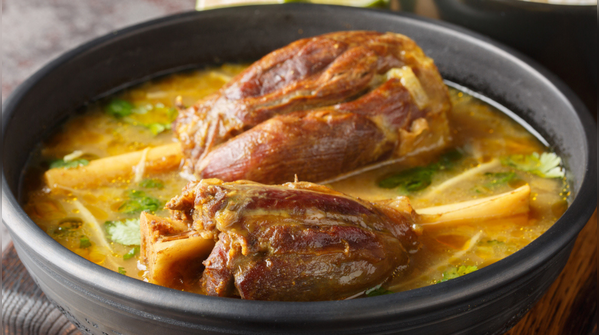
The slow-cooked richness of Nihari was once linked to Mughal-era nobility. Traditionally eaten early in the morning after dawn prayers, nihari was prepared overnight in large pots so the meat could soften completely and absorb deep spice flavours.
This was not fast food in the modern sense. It was patient cooking designed for elite households where time itself was considered part of luxury. The broth was silky, intense and nourishing, often eaten with naan in royal courts and noble homes.
Eventually, nihari moved into the food lanes of Old Delhi and other cities, where it became one of India’s most famous breakfast street foods. But every bowl still tastes like slow royal craftsmanship.

Jalebi
Today Jalebi is associated with railway stations, sweet shops and rainy evenings, but syrup-soaked fried sweets were once considered festive delicacies in elite households.
In royal kitchens, sweets represented prosperity and hospitality. Jalebis were prepared fresh during celebrations, weddings and court feasts. Their glossy spirals, bright colour and rich sweetness made them visually impressive as well as satisfying.
As sugar became more accessible and local sweet makers adopted the recipe, jalebi transformed into a street favourite. Yet its dramatic appearance still feels theatrical enough for a palace banquet.
Samosa
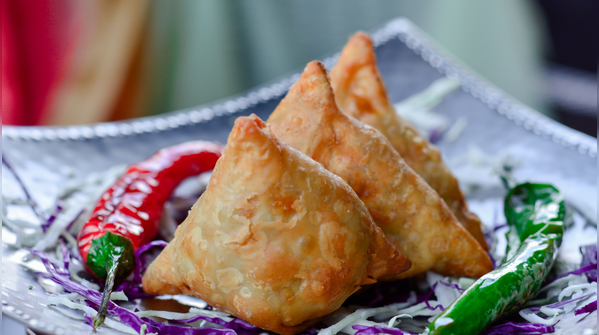
The history of Samosa stretches far beyond modern tea stalls. Variations of stuffed pastries travelled into the Indian subcontinent through Central Asian and Persian culinary influence connected with royal courts and elite trade routes.
Early versions often contained minced meat, nuts and expensive spices, making them far richer than many modern potato-filled samosas. Court cooks appreciated them because they were compact, flavourful and easy to serve during gatherings.
Over centuries, local adaptations changed the fillings and made the snack more affordable. What was once aristocratic finger food eventually became India’s universal street snack.
Rabri
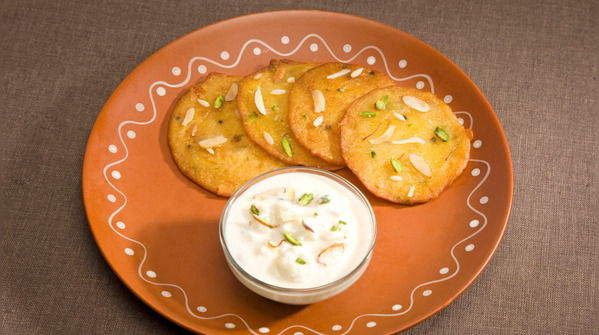
The thick sweetness of Rabri reflects the excess and patience of royal dessert-making traditions. In princely kitchens, milk was slowly reduced over low heat for hours until it became creamy, layered and deeply rich.
As the milk simmered, cooks would repeatedly gather the delicate cream forming on the surface and fold it back into the pot, creating Rabri’s signature texture. Fragrant cardamom, saffron strands and chopped nuts were often added to elevate the dessert further, turning it into a symbol of celebration, hospitality and royal indulgence.
This was a dessert built on abundance. It required large quantities of milk, careful attention and time, luxuries more available in royal households than ordinary homes.
Today rabri appears beside jalebis, malpuas and kulfi at bustling street stalls. It may now be served in disposable bowls instead of silverware, but its richness still feels unmistakably regal.

Chaat
Modern Chaat feels joyful and messy, but some food historians trace refined versions of tangy spice-heavy snacks back to Mughal-era culinary culture, especially in North India.
Royal cooks experimented constantly with flavours that stimulated the appetite: sour, spicy, sweet and crunchy combinations designed to excite the palate. Over time, local vendors transformed these ideas into accessible street food experiences.
What survives today is culinary theatre. Chaat is noisy, fast and unpredictable, but beneath that chaos lies centuries of sophisticated flavour balancing once appreciated in elite circles.
Featured In Food

