
7 things Indian families should never keep near the stove
7 things Indian families should never keep near the stove
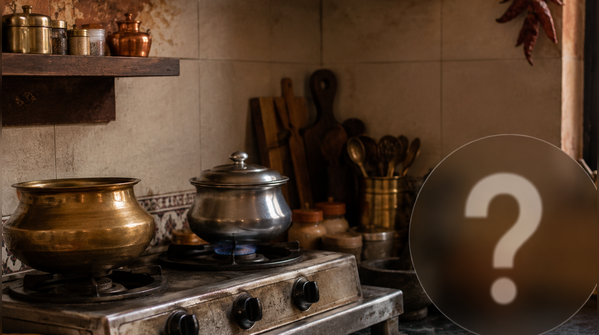
In many Indian homes, the kitchen is built around the stove. It is where tea is made before sunrise, rotis puff for dinner, and meals are stitched together through the rush of daily life. But the same space that feeds a family can also become dangerous when it turns cluttered. A stove is not just a cooking surface; it is a heat source, and heat has no patience for things left too close to it. A plastic jar can melt, a towel can catch fire, and a spill of oil can flare up in seconds. Yet these habits often survive because they feel normal, familiar, and harmless. That is what makes them risky. The kitchen deserves the same care as any other part of the home, especially in households where cooking happens fast, often, and with many hands moving at once. A few small changes can prevent burns, fires, bad smells, and avoidable chaos. Here are seven things Indian families should never keep near the stove.
Dish towels and napkins
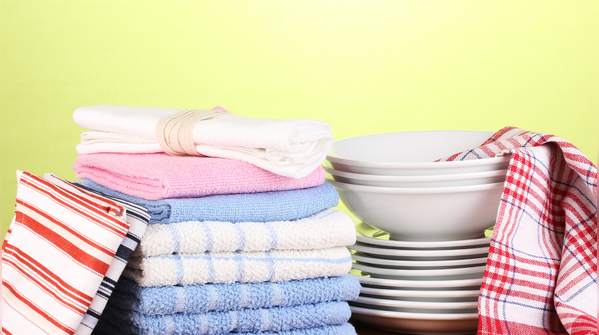
A cloth hanging too close to the flame is an accident waiting to happen. In busy kitchens, towels are often draped over handles or placed beside the stove for quick access. That convenience can turn dangerous in a second if the fabric brushes a flame or hot pan.
Cooking oil bottles
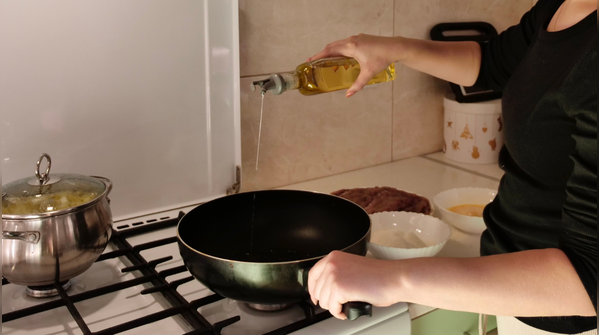
Oil belongs in the kitchen, but not right beside the fire. Bottles placed near the stove get hot quickly, and plastic packaging can soften over time. More importantly, a spilled oil bottle near an open flame can make a small mistake far worse.

Paper packets and grocery bags
Paper burns easily, and kitchen counters in Indian homes often collect packets, grocery bags, salt wrappers, and spice cartons. When these sit too close to the stove, they become fuel. A moment of carelessness while turning a pan or lighting gas can be enough.
Matchboxes and lighters
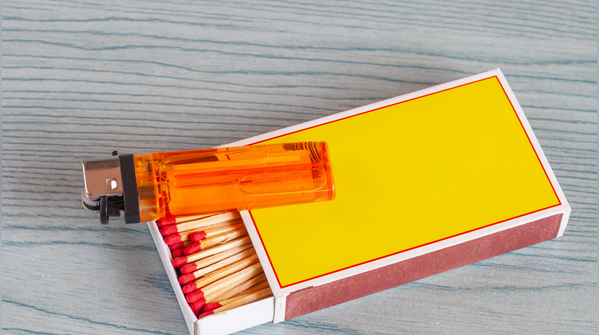
These may seem obvious, yet they are often left within arm’s reach of the burner. That is exactly why they should be stored elsewhere. If children are around, keeping them near the stove adds another layer of risk. Fire-starting tools should never sit beside the fire itself.
Wooden spatulas and chopping boards
Wood is useful in the kitchen, but it does not belong too close to high heat. A wooden spoon resting on a hot burner can darken, crack, or even catch fire. Chopping boards left nearby can also absorb grease and heat, making the space dirtier and more hazardous.
Salt, sugar, and spice jars
These are used constantly, which is why they often end up lined up right next to the stove. But steam, heat, and oil splatter can ruin the contents, cause clumping, and make the jars grimy fast. Keep them within reach, but not in the blast zone.
A stove area works best when it stays clear, dry, and intentional. In a home where cooking is daily and nonstop, that small strip of counter space can either support safety or invite trouble. The safest kitchens are not the most beautiful ones. They are the ones where everything is where it should be, and nothing is sitting too close to the flame.

Wooden spatulas and chopping boards
Wood is useful in the kitchen, but it does not belong too close to high heat. A wooden spoon resting on a hot burner can darken, crack, or even catch fire. Chopping boards left nearby can also absorb grease and heat, making the space dirtier and more hazardous.

Salt, sugar, and spice jars
These are used constantly, which is why they often end up lined up right next to the stove. But steam, heat, and oil splatter can ruin the contents, cause clumping, and make the jars grimy fast. Keep them within reach, but not in the blast zone.
Many Indian kitchens also rely on open spice boxes or loosely sealed jars during fast-paced cooking. When they sit too close to direct heat, moisture slips in almost unnoticed. That is often why masalas lose their texture quickly, develop lumps, or start smelling dull long before they are actually expired.
Over time, constant exposure to heat can also affect the aroma and freshness of spices, especially delicate powders like turmeric, coriander, and garam masala. Plastic containers may warp slightly, metal lids can become sticky with grease, and frequent cleaning around the stove only adds to the clutter and chaos.
A stove area works best when it stays clear, dry, and intentional. In a home where cooking is daily, rushed, repetitive, and nonstop, that small strip of counter space can either support safety or invite trouble. The safest kitchens are not the most beautiful ones. They are the ones where everything is where it should be, and nothing is sitting too close to the flame.
Featured In Food

