
6 traditional Indian summer pickles you must try
6 traditional Indian summer pickles you must try
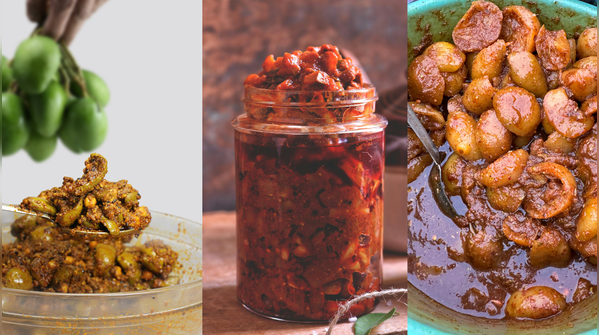
Indian summers arrive with heat that slows afternoons, ripens mangoes overnight, and fills kitchens with the sharp perfume of roasting spices. Long before refrigeration existed, households across the country mastered the art of preservation through pickling, transforming seasonal produce into bold, long-lasting accompaniments that could elevate even the simplest meal. Summer pickles are more than condiments. They are rituals passed through generations: sun-drying ingredients on cotton cloth, mixing masalas by instinct rather than measurement, and patiently waiting as oil, salt, and sunlight work their quiet magic. Here are six traditional Indian summer pickles that capture the essence of the season.
Aam ka achar
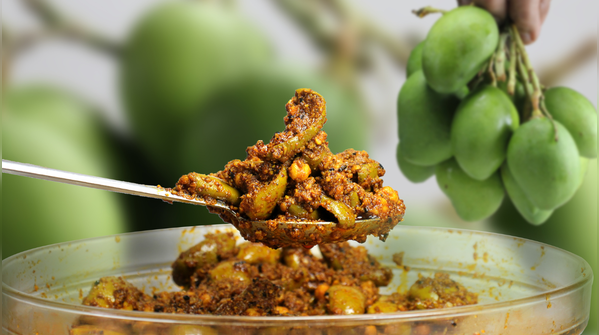
No Indian summer feels complete without raw mango pickle. Made from firm, sour green mangoes harvested before ripening, aam ka achar balances sharp tanginess with fiery spices. Regional variations change its personality. In North India, mustard oil, fennel seeds, nigella seeds, and red chilli powder create a bold, pungent flavour. Gujarati versions lean slightly sweet, while Andhra styles are intensely spicy and deeply aromatic. The magic lies in time. As the mango pieces absorb oil and spices under the sun, their texture softens while the flavour deepens. Paired with dal-chawal, parathas, or even plain curd rice, it instantly transforms comfort food into something unforgettable.
Lemon pickle
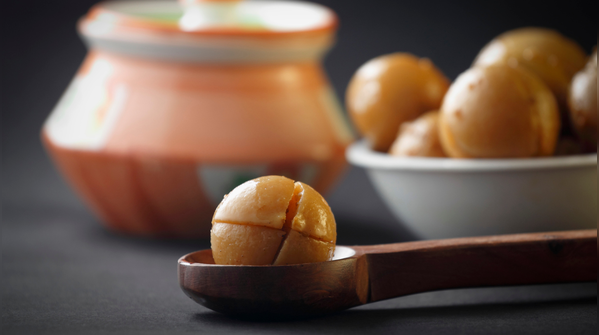
Lemon pickle is perhaps the most patient of Indian achars. Whole lemons are salted and left to soften slowly, sometimes for weeks, before spices are added. The result is complex, sour, salty, slightly bitter, and gently fermented. In South Indian homes, lemon pickle often accompanies curd rice, balancing its cooling simplicity with a bright punch. North Indian versions may include jaggery, creating a sweet-sour harmony that evolves as it ages. Over time, the lemon rind becomes tender enough to melt into the spices, proving that some flavours cannot be rushed.
Gongura pickle
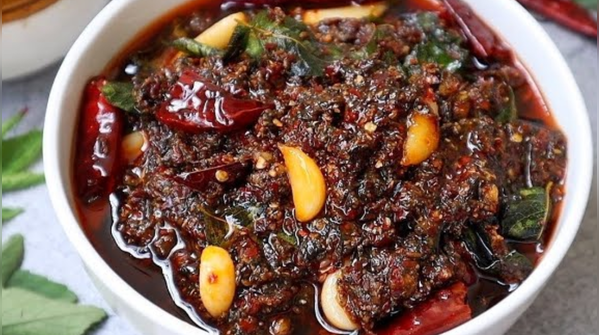
Made from sorrel leaves known as gongura, this pickle is beloved across Andhra Pradesh and Telangana for its intense natural sourness. Unlike mango or lemon pickles, gongura achar relies on leafy greens cooked down with garlic, chillies, and spices before being preserved in oil.
The preparation begins by carefully wilting the leaves to remove excess moisture, allowing their tanginess to concentrate. Slow cooking deepens the flavour while balancing sharp acidity with warmth from spices, creating a paste-like consistency that coats rice beautifully without overpowering other elements of the meal.
The flavour is bold, earthy, and slightly smoky, designed to wake up the palate. A small spoonful alongside hot rice and ghee is often enough to create a deeply satisfying meal, demonstrating how pickles in Indian cuisine are not side dishes but flavour anchors.

Ker sangri pickle
From Rajasthan’s arid landscapes comes one of India’s most unique pickles. Ker berries and sangri beans, both desert plants, are soaked, dried, and spiced to create a pickle that reflects survival in harsh climates.
Tangy, slightly bitter, and richly spiced, ker sangri achar carries the flavours of scarcity turned into abundance. Mustard oil and traditional desert spices give it depth, while its chewy texture makes it distinct from fruit-based pickles. It pairs beautifully with bajra roti and simple yogurt, echoing Rajasthan’s resourceful culinary heritage.
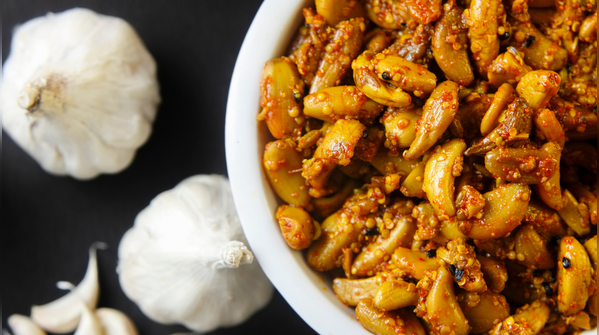
Garlic pickle
Garlic pickle is for those who enjoy strong flavours that linger. Whole garlic cloves are cured in oil with chillies, fenugreek seeds, and mustard, creating a pickle that is both pungent and addictive.
During the curing process, the sharp bite of raw garlic gradually mellows as it absorbs spices and oil, transforming into something deeper and more rounded. This slow infusion allows the cloves to develop complexity, balancing heat with a savoury richness that intensifies over time.
In Maharashtrian and South Indian kitchens, garlic pickle often carries a fiery edge, while some North Indian versions balance the heat with tangy elements like tamarind or lemon. Beyond taste, garlic’s natural warmth makes it a favourite during seasonal transitions, adding both flavor and perceived digestive comfort to meals.
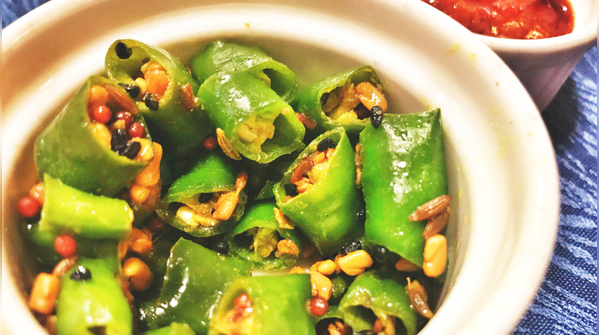
Green chilli pickle
Perhaps the simplest summer pickle, green chilli achar proves that minimal ingredients can deliver maximum impact. Fresh chillies are slit and stuffed or tossed with mustard seeds, fennel, turmeric, lemon juice, and oil. The heat mellows as the chillies cure, allowing tangy and slightly smoky notes to emerge. Instead of overwhelming the palate, a well-made chilli pickle adds brightness and excitement to everyday dishes like khichdi or stuffed parathas. It is a reminder that pickling is as much about balance as intensity.
Featured In Food

