
5 traditional ways to prevent milk from curdling in summer
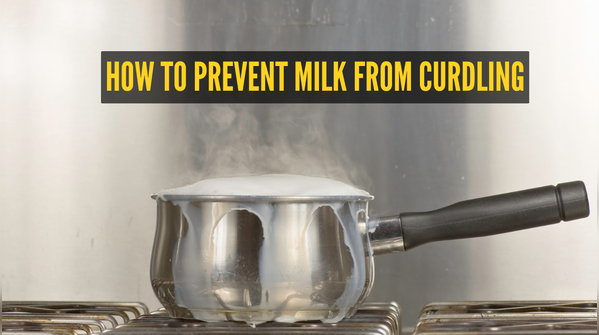
Right way to protect milk from curdling
Boiling milk might look like a very simple task, but when it comes to boiling milk during summer months, it is certainly a task. As temperatures rise, milk becomes more prone to spoilage and curdling, often catching us off guard. According to science, the heat accelerates bacterial growth, which can quickly turn fresh milk sour and can further curdle if not handled carefully. The old wives' tales suggest that following the traditional ways of boiling milk can reduce the risk of spoilage and curdling of milk as well. After all, it is a rich source of calcium and phosphorus, which are crucial for building and maintaining strong bones and teeth. It also contains vitamin D (in fortified milk), helping better calcium absorption. Milk also contains vitamin B12 and healthy fats that aid in better concentration and brain health. Here are five effective ways to prevent milk from curdling during summer.
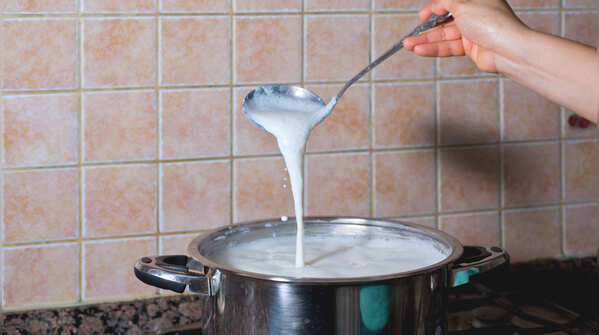
Boil milk properly and at the right time
It is the basic yet most important step to boil milk as soon as you bring it home. Boiling kills bacteria that may have developed during transport. And during summers, it is suggested to boil milk twice a day: once in the morning and once in the evening. Also, make sure that you refrigerate milk as soon as it cools down.
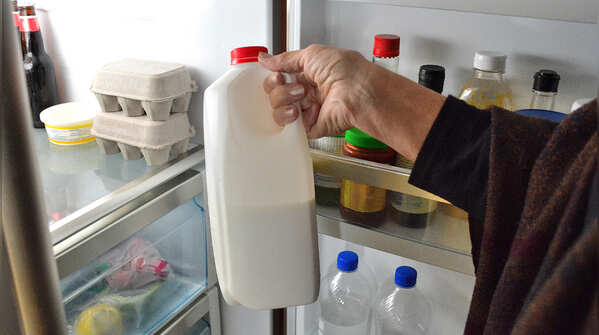
Refrigerate immediately after cooling
As the concluding line of the first tip states, it is important to refrigerate milk after it cools down to room temperature. Leaving milk out for too long in warm conditions can lead to rapid fermentation. Hence, during summer months, it is important to refrigerate it in the coldest part of the fridge rather than the door, where temperature fluctuations are more common.
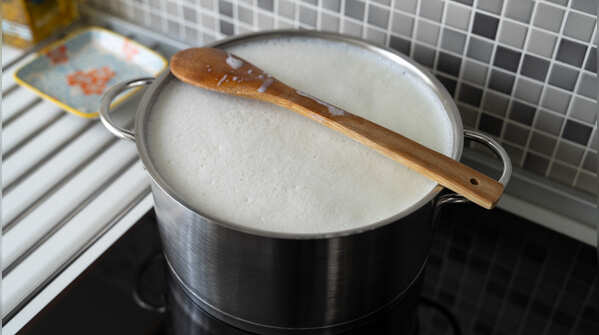
Use clean and dry utensils
Let us accept it, milk is a perishable good that calls for extra care in handling. And during summer months, it is even more sensitive. The risk of contamination is really high and it can lead to milk spoilage. It is advised to use clean and dry vessels for storing and handling milk. Even a small amount of leftover residue or moisture in containers can introduce bacteria and cause curdling. When it comes to boiling milk, stainless steel containers are preferably best, as they are easy to clean and maintain.
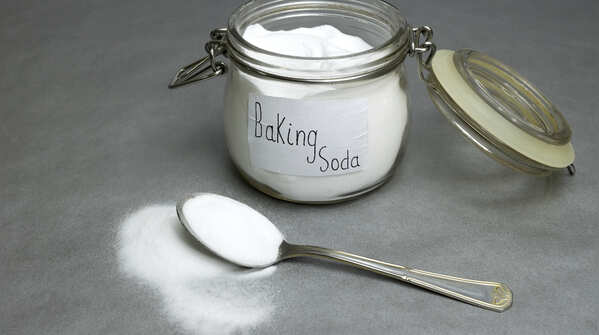
Use of baking soda
This is a traditional hack that helps slow down curdling. All you need to do is add a tiny pinch of baking soda to the milk. According to science, it helps neutralise acidity and can extend the milk’s shelf life slightly. However, be a little careful while using baking soda, as too much can alter the original taste of milk.
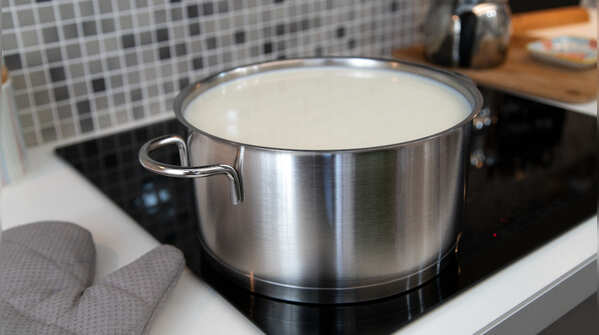
Be careful with temperature change
When it comes to boiling milk or refrigeration, be extra careful. Quick temperature changes of milk in and out of the refrigerator expose it to temperature fluctuations, which encourages bacterial growth. It is suggested to store milk in smaller portions so you only remove what you need. Also, when boiling, let the milk boil at consistent temperature. Increasing or decreasing the flame disturbs the boiling mechanism and the risk of later spoilage increases.
Images Courtesy: istock
Featured In Food

MORE FROM ETIMES
life & style