
5 warming Korean drinks meant for long, cold winters

5 hot Korean drinks for winter
Winter in Korea is long, dry, and unforgiving. Temperatures dip sharply, winds cut through layers, and warmth becomes something to be sipped slowly rather than chased. Long before cafés and instant mixes, Korean households relied on hot drinks that doubled as nourishment, easing digestion, supporting circulation, and offering comfort that felt medicinal without being labelled as such. These beverages are not about indulgence. They are about balance, restraint, and the quiet logic of seasonal eating. Scroll down for five traditional Korean hot drinks that continue to define winter warmth, not as trends, but as habits that endure...
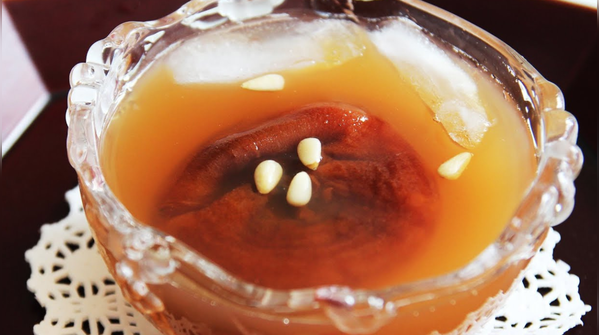
Sujeonggwa
Sujeonggwa is often described as a dessert punch, but that label barely captures its role in winter kitchens. Made by simmering cinnamon and ginger in water and lightly sweetened, it is served hot in colder months and cold in summer. In winter, the heat allows the spices to open up fully, warming the body from within and aiding sluggish digestion.
What makes sujeonggwa distinctive is its restraint. The sweetness is gentle, never cloying, and the spice is aromatic rather than aggressive. Traditionally garnished with dried persimmons or pine nuts, it sits somewhere between beverage and ritual. It is commonly served after heavy meals, not to impress, but to restore equilibrium.

Daechu Cha
Daechu cha, or jujube tea, is deeply associated with rest and recovery. Dried jujubes are simmered until they break down into a naturally sweet, amber-hued brew. The result is soft, rounded, and soothing, a drink that feels almost designed for winter evenings.
In Korean households, daechu cha is often offered to those who are fatigued, travelling, or recovering from illness. It is caffeine-free, easy on the stomach, and quietly nourishing. The warmth is steady rather than sharp, making it a preferred choice before sleep. Its popularity lies not in bold flavour, but in its reliability, a reminder that comfort does not need intensity.
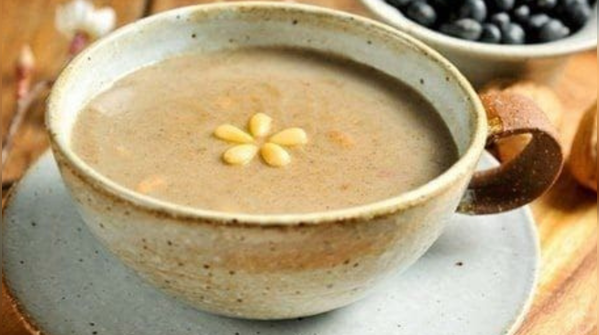
Yulmu Cha
Thicker than most teas, yulmu cha is made from roasted Job’s tears, ground into a fine powder and whisked into hot water. The texture is creamy, almost porridge-like, and the flavour is nutty and mild. In winter, it often replaces breakfast or late-night snacks.
Yulmu cha reflects a distinctly Korean approach to nourishment, where a drink can also function as sustenance. It is filling without being heavy, warming without relying on spice for flavour. Often sold at street stalls during colder months, it is sipped slowly, hands wrapped around the cup, heat lingering long after the last swallow.
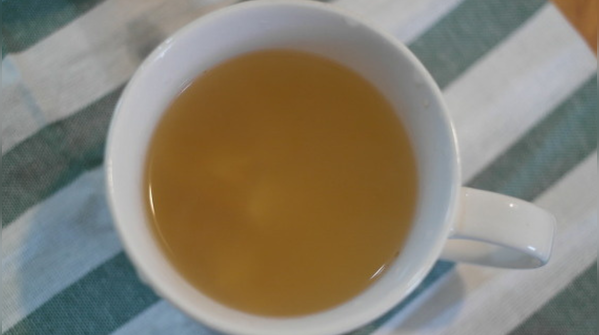
Saenggang Cha
Ginger tea appears across cultures, but Korean saenggang cha has its own character. Fresh ginger is simmered for long periods, sometimes with jujubes or honey, resulting in a drink that is sharp, fragrant, and unmistakably warming.
This is winter tea in its most direct form. Saenggang cha is consumed to ward off colds, ease sore throats, and stimulate circulation during freezing days. It is not subtle, and it is not meant to be. The intensity is precisely the point - a reminder that winter calls for assertive warmth.

Gomtang broth
While not traditionally categorised as a “drink”, gomtang broth is often consumed on its own, especially in winter. Slowly simmered beef bones yield a milky, mineral-rich liquid that is sipped hot, sometimes seasoned lightly with salt or spring onions.In the depths of a Korean winter, this broth is less a drink and more a form of sustenance. Taken on its own in the early morning or late at night, it offers a warmth that settles into the body rather than passing through it. There is no reliance on spice or garnish. Its depth comes from long hours of simmering, from bones breaking down slowly, and flavour developing through time and care.
Featured In Food

MORE FROM ETIMES
life & style