
5 common mistakes to avoid while making restaurant-style Naan at home

Right way to make naan at home
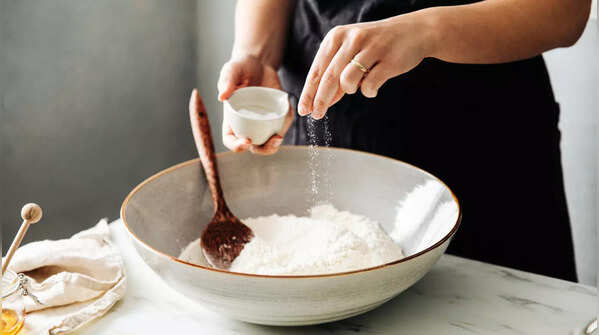
Mistake 1: Not using right flour ratio
When it comes to naan, using the right ratio of flour is important to get the taste and texture right. People often mistake the right ratio of flour and the entire process goes for a toss. According to experts, it is best to use a 1:3 ratio of bread to plain flour.

Mistake 2: Using cold or under-fermented dough
For naan, fermentation of the dough is very important. According to experts, naan dough needs proper resting time. If the dough hasn’t rested long enough, the gluten won’t develop properly, resulting in dense and chewy naan instead of soft and airy bread. It is important to let the dough rest for at least 4-5 hours to activate the yeast and let the dough rise well.
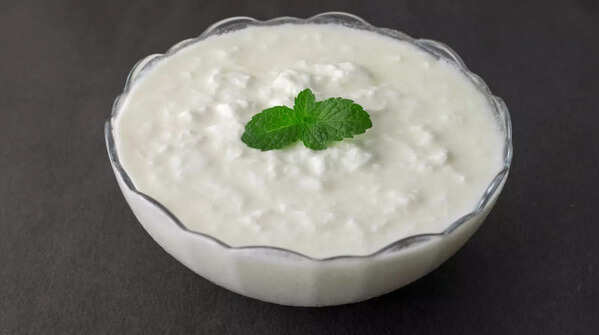
Mistake 3: Not using curd or a leavening agent
Social media is full of edited tricks and tips on how to make naan. But it is important to follow the traditional style to get the recipe right. Traditional naan dough usually contains yogurt, yeast, or baking powder. Skipping these ingredients can make the naan flat and tough instead of soft and fluffy. So, make sure to use the leavening agent and cover the dough with a damp cloth. Make sure the agent is not too much, as the excess of it can make the final dish bitter in taste.

Mistake 4: Rolling the dough too thin
One more thing one needs to understand is that naan is not roti, and hence rolling it like a roti is not a good idea. It often happens that people roll naan like a roti. Naan should be slightly thick so it can puff up and develop a soft interior while cooking. So, keep that in mind.
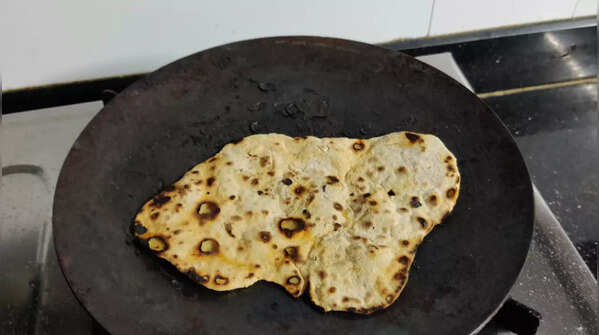
Mistake 5: Cooking on low heat
According to experts, naan requires very high heat to get the characteristic bubbles and light charring. If the pan or tawa isn’t hot enough, the naan becomes dry rather than fluffy. Hence, extra care is required while setting the heat and flame for naan at home.
Images Courtesy: istock
Featured In Food

