
4 foods that may help slow down ageing

4 foods that may help slow down ageing
Ageing is often discussed as something to fight or reverse. In reality, the body doesn’t age because time passes. It ages because cells accumulate damage faster than they repair. Inflammation lingers. Oxidative stress builds. Hormonal signals weaken. Food cannot stop ageing, but it can influence how fast or how quietly that process unfolds. Some foods consistently show up in longevity research not because they are exotic, but because they support cellular repair, reduce inflammation, and protect against daily wear. These are not miracle ingredients. They work slowly, through repetition, not drama. Here are four foods that may help slow down ageing when eaten regularly and sensibly.
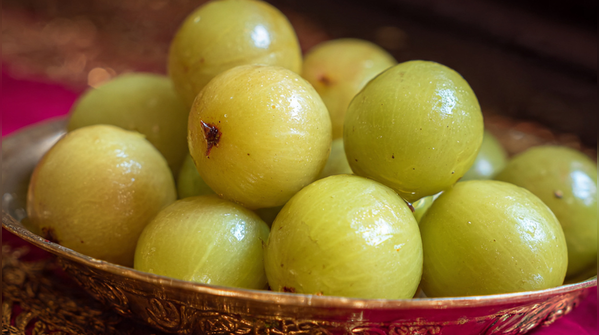
Amla (Indian gooseberry)
Amla has been used for centuries in Indian diets, long before antioxidants became a buzzword. Its value lies in its unusually high vitamin C content, combined with polyphenols that remain stable even after digestion.
Vitamin C plays a direct role in collagen formation, affecting skin elasticity, joint health, and blood vessels. But amla’s benefits go deeper. Research shows it helps stabilise oxidative stress levels and supports liver function, both of which influence how efficiently the body detoxifies and repairs itself over time.
Consumed as fresh fruit, juice, or lightly processed preparations, amla supports immunity and cellular protection together. The key is consistency, not quantity. A small daily amount works better than occasional large doses.
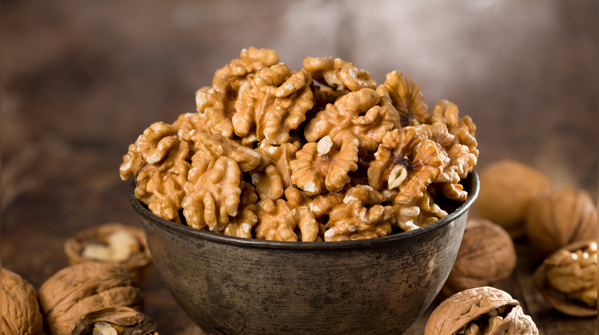
Walnuts
Ageing accelerates when chronic inflammation becomes the body’s default state. Walnuts help counter that. They are rich in omega-3 fatty acids, which are linked to reduced inflammation and better cardiovascular health.
Walnuts also contain polyphenols that support brain health and may slow cognitive decline. Studies consistently show that regular nut consumption favors healthier ageing, improved metabolic markers, and better longevity outcomes.
A small handful is enough. Walnuts are dense, but they work quietly, supporting cell membranes and nerve function over years rather than weeks.
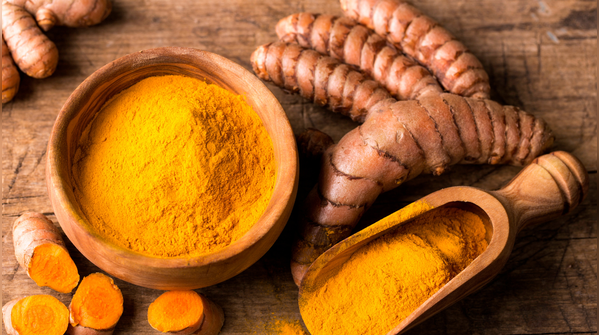
Turmeric
Turmeric’s role in ageing is closely tied to inflammation. Curcumin, its active compound, has been studied extensively for its anti-inflammatory and antioxidant effects. Chronic low-grade inflammation is one of the strongest drivers of accelerated ageing, affecting joints, skin, metabolism, and the brain.
Turmeric does not act dramatically on its own. It works best when consumed regularly in food, paired with fat and black pepper for absorption. In Indian cooking, this combination already exists.
Rather than supplements, everyday use in curries, dals, or warm milk allows turmeric to support the body gently without overstimulation, working steadily over time in familiar, comforting forms.
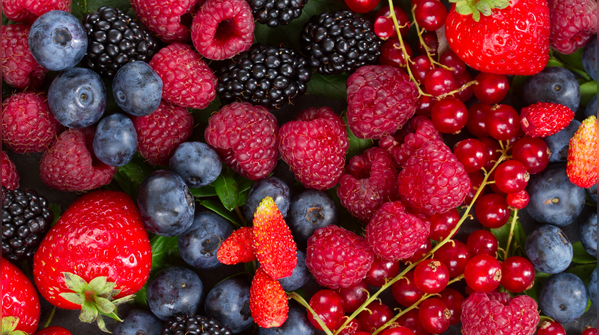
Berries
Berries are often discussed in Western nutrition, but their relevance is universal. They are rich in anthocyanins, compounds that protect cells from oxidative damage and support brain and heart health.
Oxidative stress damages DNA over time, contributing to wrinkles, memory decline, and metabolic disorders. Berries help neutralise some of that damage. They are also low on the glycaemic scale, meaning they provide sweetness without spiking blood sugar sharply, which matters for long-term ageing.
Even small servings, fresh or frozen, contribute to cumulative protection. What matters is regular inclusion, not perfection.
Featured In Food

MORE FROM ETIMES
life & style