
200 kg of artificially ripened mangoes seized in Hyderabad: FSSAI's guidelines on artificial fruit ripening and 8 smart ways to check purity at home
How carbide gas and acetylene gas are harming human health
Often called the "king of fruits," mangoes are known as the ultimate summer fruit rich in taste, nutritional value, and cultural significance. From breakfast to dinner, this fruit is enjoyed across India and even abroad. They are known to have high levels of vitamin A and beta-carotene, which promotes good vision and help prevent dryness and night blindness. Hence, the massive demand for the fruit gives market players scope to artificially ripen them to meet the demands. In a recent inspection, Hyderabad police seized around 200 kg of artificially ripened mangoes along with 25 loose sachets of "Diamond Ripe – Ethylene Ripener” that was being used to ripen mangoes quickly before selling them in the market. According to investigators, food safety rules allow only five sachets of ethylene ripener for every 20 kg of mangoes. But the accused was allegedly using six sachets for each 20 kg tray, crossing the limit fixed by the Food Safety and Standards Authority of India. A case has been registered under sections related to food adulteration, cheating and endangering public health. During the raid, officers seized four packets of the chemical, 25 loose sachets and around 200 kg of mangoes. Speaking about the case, B. Sravan Kumar, SHO of Goshamahal PS said, “The accused was using more chemicals than the permitted limit to ripen mangoes quickly and make illegal profit. Such acts can put people's health at risk. We will continue strict checks in markets and storage points.” Here we list the FSSAI's guidelines on artificial fruit ripening that every market player and consumer should follow. Also, check smart ways to check the purity of mangoes before buying them.
Common chemicals used for ripening mangoes
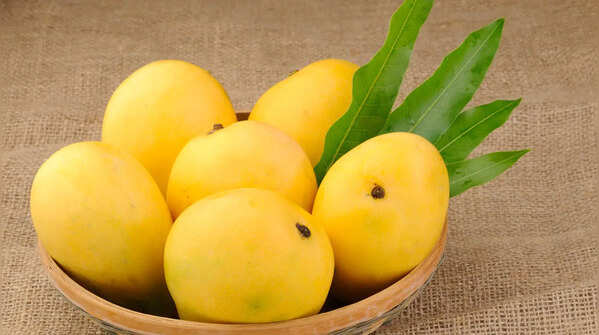
When it comes to artificial ripening of mangoes, the most common chemicals used for the purpose are calcium carbide, releases acetylene gas to speed up ripening but may contain harmful traces of arsenic and phosphorus. Also, ethylene gas and ethephon are used which mimic the fruit’s natural ripening process without leaving toxic residues when applied correctly.

FSSAI's guidelines on artificial fruit ripening
1. Use of carbide gas or acetylene gas is not permitted for artificial ripening of fruits under the Food Safety and Standards Regulations, 2011, due to potential health hazards.
2. Ethylene gas can be used for artificial ripening at a concentration up to 100 ppm (100µl/L)
3. Ethylene plays a vital role in the natural ripening of fruits. It is a hormone produced naturally within the fruit to stimulate the ripening process.
4. Ethylene, being a natural hormone does not pose any health hazard to consumers
5. External application of ethylene gas generated from various sources such as ethylene gas cylinders, compressed ethylene gas, ethanol, ethephon, etc. can be used on fruits to trigger the ripening process.
6. Any source of ethylene gas coming in direct contact with fruits is not permitted.
7. Consumers should purchase fruits from known sellers/reputed stores/dealers who declare that the fruits sold have not been ripened using harmful/banned chemicals.
Check the skin color
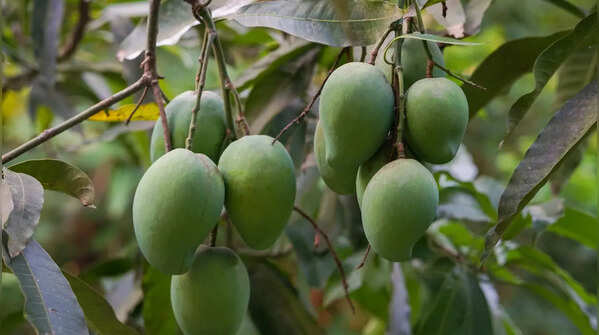
Artificially ripened mangoes tend to have a uniform color and may appear more yellow or orange than naturally ripened mangoes. They may also have a slightly shiny appearance.

Smell the mango
Naturally ripened mangoes have a sweet, fruity smell, while artificially ripened mangoes may have a chemical or a different odour.
Check the firmness
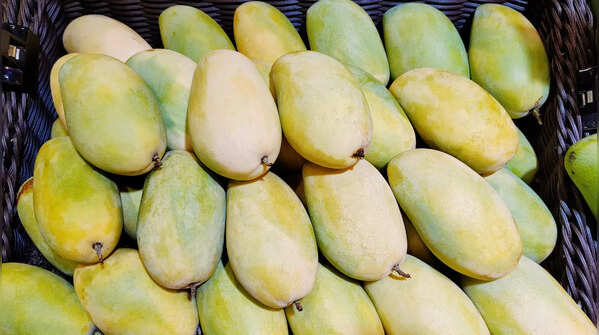
Artificially ripened mangoes may feel softer or mushier than naturally ripened mangoes. It happens because the chemicals used in the ripening process can break down the cell walls in the fruit, making them softer.

Look for external damage
If the mangoes have external damage, such as bruises or spots, due to the injection of chemicals, avoid them. Natural mangoes are less likely to have these types of external blemishes.
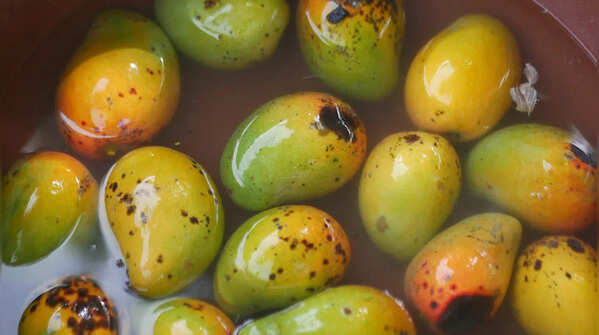
Soaking method
Put the mangoes in a bucket of water. If the mangoes sink, they are naturally ripened. If they float, they are harvested artificially.

Use baking soda
Add some baking soda to the water, and then soak the mangoes in the mixture for 15-20 minutes. After soaking, if the color of the mango changes once you wash it, there is a chance that it is chemically treated or polished.
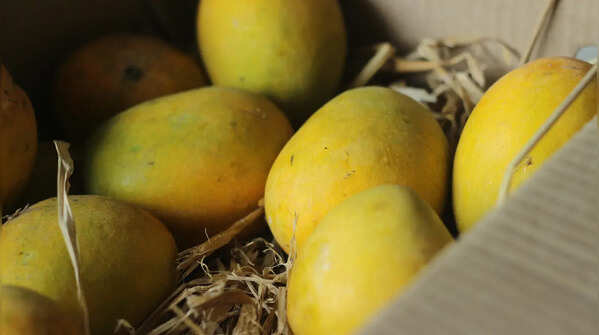
Conduct a taste test
According to experts, artificially ripened mangoes may have a bland or strange taste. If the mango tastes off or has an unpleasant aftertaste, it may have been artificially ripened.

Match stick test
According to the Alphonso Mango website, one can use this test as well. To conduct this test, you need to light a match stick and bring it near the box of mangoes, and if it is chemically treated, it may catch fire or leave sparkle traces on the food's surface. This method is very risky; hence, one should avoid trying it at home without taking any preventive measures or in the absence of adults and guardians.
Featured In Food

