
10 must-try Korean foods you can find in India
10 must-try Korean foods you can find in India
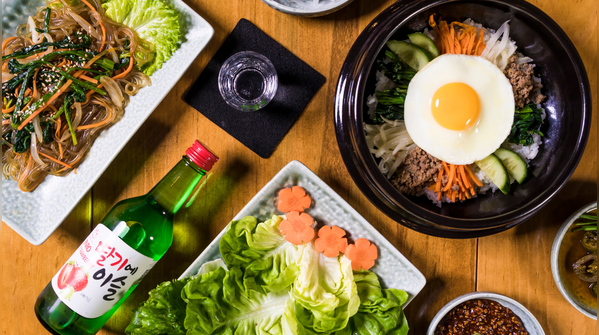
Korean food has gone from niche curiosity to a full-blown craving in India. What once felt like something reserved for travel shows and K-dramas is now showing up on restaurant menus, food delivery apps and supermarket shelves across major cities. The appeal is easy to understand: Korean cuisine is bold without being overwhelming, comforting without being heavy, and built on a satisfying balance of spice, fermentation, crunch and depth. If you are just getting into Korean food, the best place to start is with the classics. These are the dishes that have helped turn Korean cuisine into a global favourite, and many of them are now easy to find in India at Korean restaurants, fusion cafés and specialty grocery stores. Scroll down to read more.
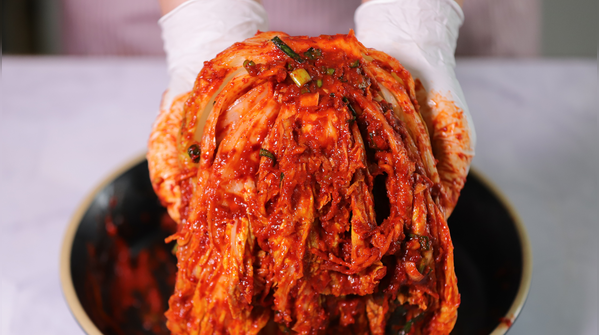
Kimchi
No Korean food list can begin anywhere else. Kimchi is the country’s most famous side dish, made by fermenting napa cabbage or radish with chilli, garlic, ginger and salt. It is sharp, spicy, tangy and alive with flavour. In India, kimchi is often served with rice bowls, noodles and grilled dishes, and jars of it are increasingly available in gourmet stores and online.
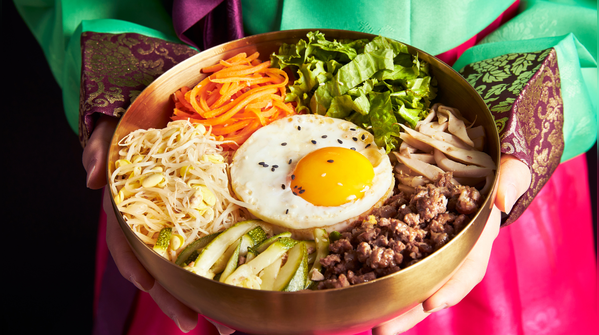
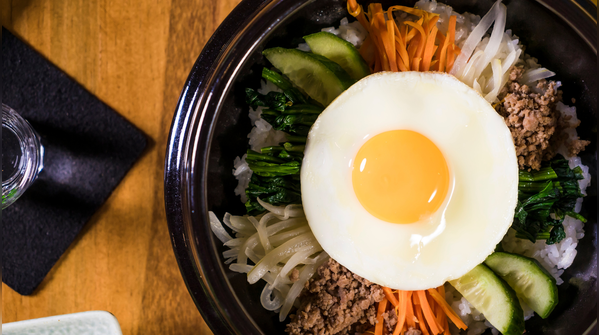
Bibimbap
Bibimbap is one of those dishes that looks simple until you taste it. A bowl of warm rice is topped with vegetables, egg, meat or tofu, and usually a spoonful of gochujang, the famous Korean red chilli paste. The magic lies in mixing everything together. It is colourful, balanced and deeply satisfying, which makes it one of the easiest Korean meals for Indian diners to love.
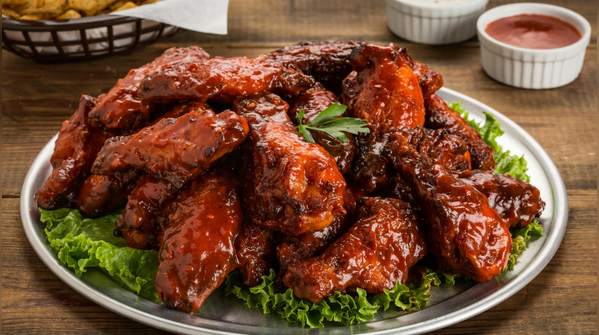
Korean fried chicken
Crispy on the outside, juicy inside and usually coated in a glossy, sticky sauce, Korean fried chicken has become a global obsession for a reason. Unlike many other fried chicken styles, this version is known for its light crunch and sauces that range from sweet-spicy to soy-garlic. In India, it has become a popular menu item at Korean and pan-Asian restaurants, especially in metro cities.
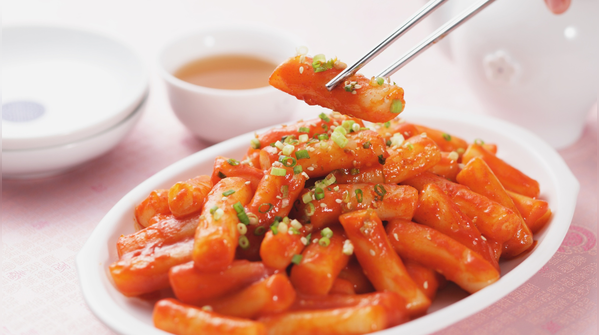
Tteokbokki
If you have seen a steaming red-orange street food dish in a Korean drama, chances are it was tteokbokki. These chewy rice cakes are cooked in a spicy-sweet sauce that is both comforting and addictive. The texture is what makes it memorable: soft, springy, slightly chewy and unlike anything in most Indian street food repertoires. Many Korean cafés in India now serve it as a snack or appetiser.
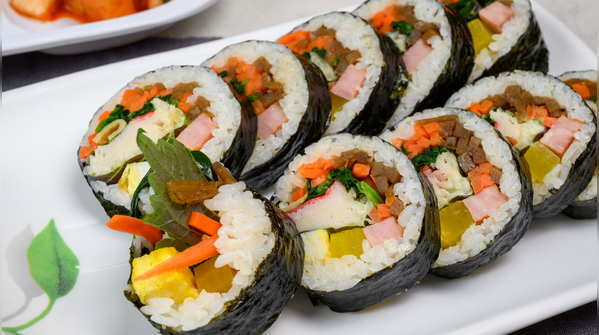
Kimbap
Often mistaken for sushi, kimbap is Korea’s own rolled rice dish, typically filled with vegetables, egg, meat or fish, then wrapped in seaweed and sliced into neat pieces. It is lighter than many rice-based meals but still filling. In India, kimbap is commonly found in Korean eateries and is a good introduction for anyone who wants something familiar-looking but distinctly Korean in taste.
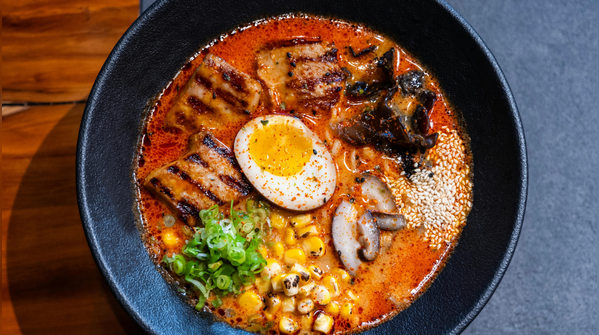
Ramyeon
Spicy Korean instant noodles have become a cultural phenomenon, thanks in part to their presence in dramas, mukbang videos and late-night cravings everywhere. But ramyeon is more than just a packet noodle trend. In restaurants, it is often upgraded with egg, cheese, vegetables, dumplings or seafood. In India, imported Korean noodle brands are widely sold online and in Asian grocery stores, making this one of the easiest Korean staples to try at home.
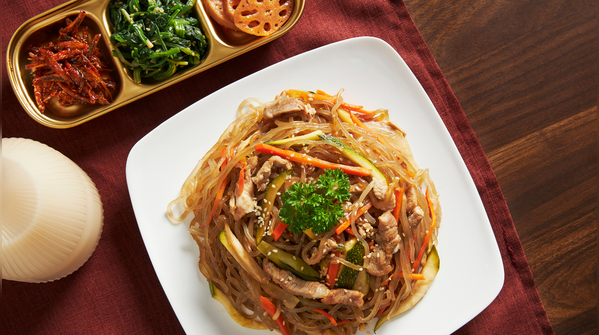
Japchae
Japchae is a glass noodle dish made with sweet potato starch noodles stir-fried with vegetables, sesame oil and often meat or mushrooms. It has a glossy, delicate texture and a savoury-slightly-sweet flavour that feels elegant but approachable. Among Korean dishes available in India, japchae stands out as one of the most universally liked because it is flavourful without being too fiery.
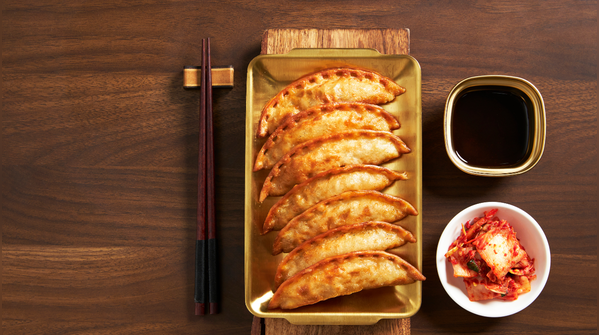
Mandu
Korean dumplings, known as mandu, are another easy favourite. They can be steamed, boiled, pan-fried or dropped into soups, and the fillings vary widely. Some are packed with meat and vegetables, while others are vegetarian. For Indian eaters who already love momos and dumplings, mandu can feel instantly familiar, even if the seasoning is different.
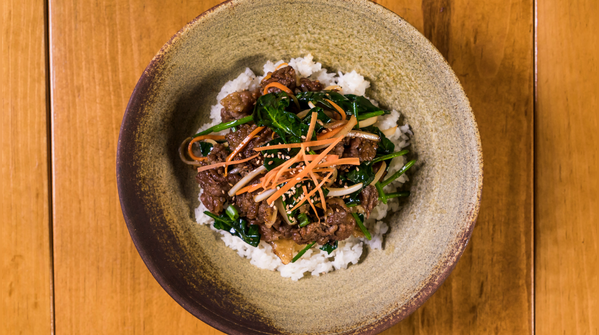
Bulgogi
Bulgogi is thinly sliced marinated meat, usually mutton, grilled or stir-fried until tender and caramelised. The marinade is what gives it its signature flavor: sweet, savoury, garlicky and rich with sesame notes. Served with rice and side dishes, it is one of the most accessible Korean mains for Indian diners who prefer something hearty and not too challenging.
Gimbap-style rice bowls and Korean fusion dishes
Not every Korean food experience in India has to be strictly traditional. Many restaurants have adapted Korean flavours into rice bowls, wraps, burgers and spicy comfort plates that suit local tastes. These fusion dishes are often where new eaters begin, because they keep the essence of Korean seasoning while making the experience more familiar.
The balance often lies in combining bold Korean ingredients like gochujang, sesame oil and kimchi with formats people already recognise. A burger might carry a Korean-style glaze, while a rice bowl may be layered with spicy sauces and crunchy vegetables.
For anyone hesitant about diving in headfirst, this is a smart and delicious starting point.
Featured In Food

