
Is 9-karat gold good for jewellery? What you need to know
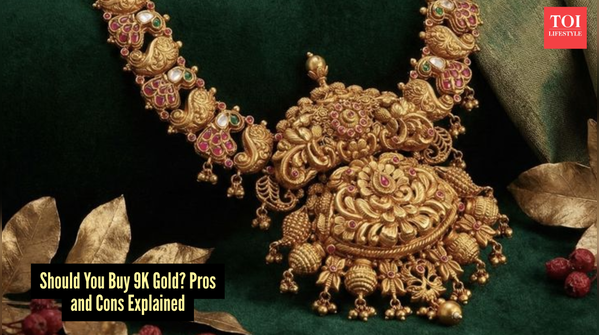
Should You Buy 9K Gold?
Let's be real for a second. We all love the rich, undeniable gleam of solid gold. But with market prices currently touching the stratosphere, building a high-quality jewelry collection feels completely out of reach for most of us.
Enter 9-karat gold. It’s suddenly everywhere—splashed across our social media feeds, worn by your favorite influencers, and quietly dominating the trending charts. But what exactly is this budget-friendly alternative? And more importantly, is it actually worth your hard-earned cash?
Let's break down the facts behind the trend.
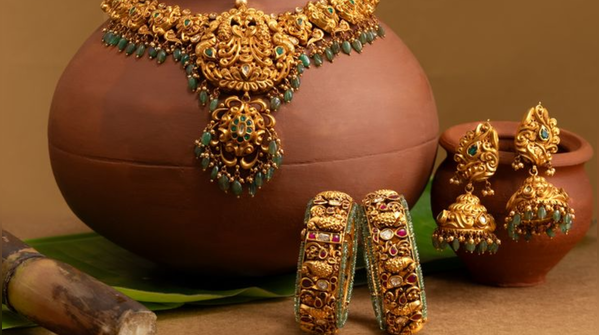
What Exactly Is 9-Karat Gold?
Forget the complicated jeweler jargon. The concept of karats is honestly just a simple ratio. Pure gold is 24 karats, meaning it is 100 percent gold. So, 9-karat gold? It’s exactly 9 parts pure gold mixed with 15 parts of other metals—usually a sturdy blend of copper, silver, and zinc.
Do the math, and that leaves you with exactly 37.5% pure gold. Don't let that lower percentage fool you into thinking it's fake, though. It’s entirely authentic. If you look closely at a genuine piece of 9K jewelry, you'll usually spot the number ‘375’ stamped somewhere on the clasp or inner band. That’s the official hallmark proving its legitimacy.
(Image Credits: Pinterest)
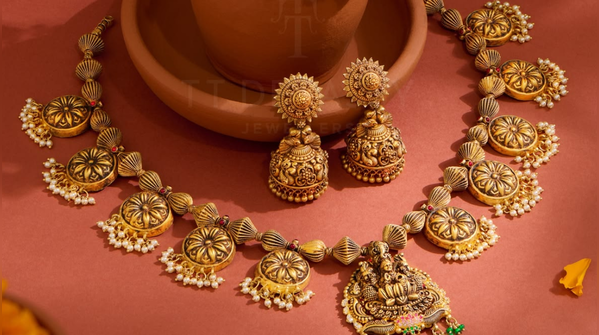
The Upside: Why Everyone is Buying It
There’s a massive reason younger buyers are absolutely obsessed with this metal right now. We are witnessing a major generational shift. Millennials and Gen Z are no longer waiting for weddings or massive milestones to buy jewelry; they want pieces they can wear right now. And for that, 9K gold is incredibly tough. Pure 24K gold is notoriously soft. If you wear it every single day, it’s going to scratch, dent, or warp.
9K gold, however, is packed with strong alloy metals, making it highly resistant to the daily grind. Whether you're typing furiously at your desk, commuting, or hitting the gym, 9K gold holds its shape. Plus, because the metal is so hard, jewelers can craft intricate, ultra-modern designs that would simply snap if made from softer gold. It gives you the luxury aesthetic without requiring a small loan.
(Image Credits: Pinterest)
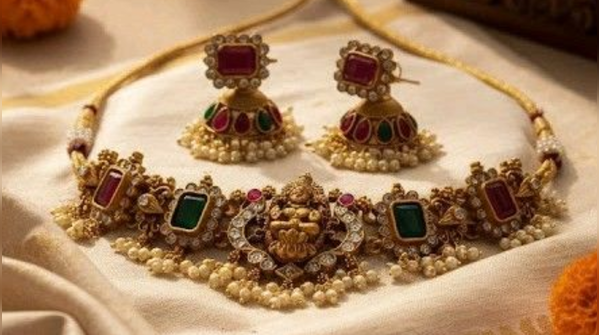
The Catch: What They Don't Tell You
Before you rush out to buy a stack of 9K rings, you need to know the downsides. First and foremost, do not treat this as a financial investment. If you’re looking to park your money, preserve wealth, or pass down a high-value traditional heirloom, skip 9K entirely. By the time you factor in making charges and GST, its resale value is practically non-existent compared to 22K or 24K. It is a fashion purchase, pure and simple.
You also have to be prepared for a bit more maintenance. Thanks to all that copper and silver, 9K gold can oxidize. It will tarnish if exposed to too much moisture, sweat, or perfume. You'll need to give it a regular polish to maintain its luster.
Also, if you have super sensitive skin, tread carefully. The higher alloy content means it’s less hypoallergenic than its high-karat cousins. Aesthetically, it also has a slightly paler, cooler yellow tone. Minimalists absolutely love this understated look, but traditionalists might find it lacks that warm, buttery vibrancy.
(Image Credits: Pinterest)
The Final Verdict
So, should you buy it? It entirely depends on your endgame. If you want financial security or are shopping for traditional bridal wear, absolutely not. Stick to the heavy hitters like 22K or 24K. But if you're looking to elevate your daily style with budget-friendly, sustainable jewelry that won’t get destroyed by a busy lifestyle? 9-karat gold is a brilliantly practical choice.
(Image Credits: Pinterest)
Featured In lifestyle

