
Gold import duty jumps to 15%: Here’s what it means for Indian jewellery buyers

From weddings to festivals, gold buying may now cost more after latest duty change
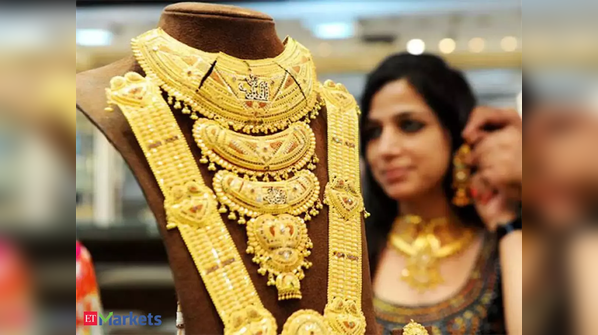
Gold jewellery shopping in India might soon start feeling a bit more expensive. From May 13, the Centre has revised import duties on gold, silver, and other precious metals, taking the total effective duty on gold imports up to 15%. And naturally, buyers are now wondering what this means for jewellery prices at stores.
The move comes at a time when the government is trying to manage rising import costs and protect foreign exchange reserves amid global uncertainty and tensions in West Asia. While the larger economic reasons are being discussed widely, for most people the real concern is simple - will gold jewellery now cost significantly more?
Here’s what has changed
Until now, imported gold attracted around 6% duty in total. This included 5% Basic Customs Duty (BCD) and 1% Agriculture Infrastructure and Development Cess (AIDC).
Under the new structure that kicked in on May 13, the government has increased the Basic Customs Duty to 10% and raised the AIDC to 5%. Together, that pushes the overall import duty on gold to 15%.
The revised rates also apply to silver, platinum, precious metal coins, jewellery components, and some related imports.
Interestingly, this is quite a reversal from Budget 2024, when import duty on gold had earlier been reduced from 15% to 6% to encourage demand and help curb smuggling.
So, how much more expensive can jewellery get now?
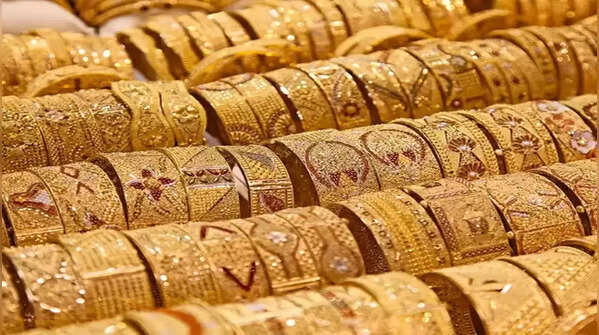
The exact increase will depend on several things - global gold prices, GST, purity, making charges, and even the jeweller you buy from. But one thing is clear: imported gold itself has become costlier.
To put it simply, if gold worth ₹1 lakh earlier attracted roughly ₹6,000 in import duty, the same quantity could now attract close to ₹15,000 in duty under the revised rates.
That’s nearly ₹9,000 extra on every ₹1 lakh worth of imported gold.
Now, whether the entire increase reaches customers immediately is another question. Some jewellers may temporarily absorb a small portion depending on old inventory, while others could gradually pass it on to buyers over the next few weeks.
Either way, retail gold jewellery prices are expected to move upward.
And it’s not just gold bars or coins getting affected.
Gold components have also been effected
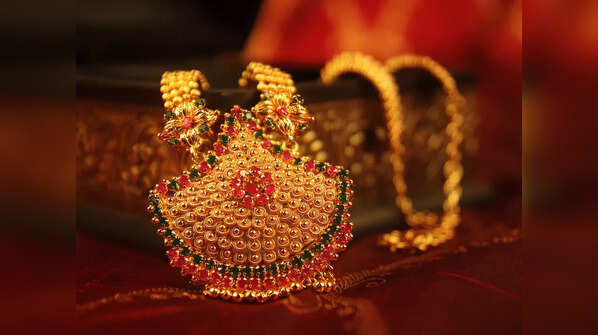
Even small jewellery components used in ornaments - called “findings” in the industry - are now seeing revised duty rates. These include hooks, clasps, screw backs, catches, and connectors that are used while making jewellery.
Under the revised structure:
Gold findings attract 5% duty
Silver findings attract 5% duty
Platinum findings attract 5.4% duty
These may sound like tiny details, but they still add to the overall production cost of jewellery.
So why has the government increased the duty again?
India imports a massive amount of gold every year, and that puts pressure on the country’s import bill and foreign exchange reserves. With global tensions and supply chain disruptions continuing in parts of the world, the government is trying to reduce non-essential imports and control dollar outflows.
Prime Minister Narendra Modi had also recently urged citizens to be mindful about discretionary spending on imports, including gold purchases and foreign travel, as part of broader efforts to conserve foreign exchange.
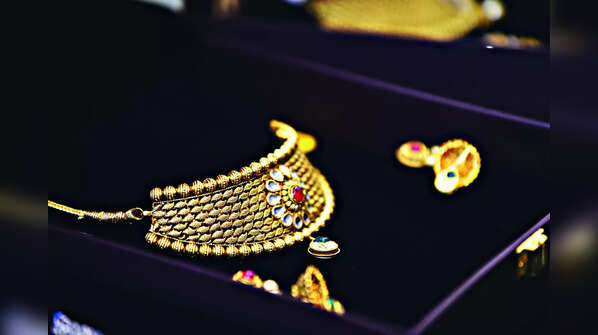
The latest duty revision fits into that larger economic picture
For consumers though, the impact will likely be felt most during wedding shopping and festive buying seasons. Families planning large jewellery purchases may now see slightly higher bills than expected.
At the same time, gold continues to hold a very emotional place in Indian households. For many families, it’s not just fashion or luxury - it’s savings, tradition, security, and part of celebrations. Weddings, festivals, and gifting culture still keep demand strong regardless of price fluctuations.
This could also push more buyers towards lighter jewellery, gold exchange schemes, recycled gold, or even minimalist designs that use less metal but still look elegant.
So yes, gold jewellery may become pricier in the coming days. But if history is anything to go by, India’s love for gold is probably not fading anytime soon.
Featured In lifestyle

