
5 skin signs that your Metabolism is slowing down
Is your metabolism slowing down? 5 skin signs to watch for
Your skin signifies not only your skincare regime, but it is also a reflection of your body's internal health status. One of the most overlooked internal factors in this aspect is your body’s natural metabolism. When increasing age naturally declines the body’s metabolism, or other factors such as stress, poor lifestyle, hormonal changes etc. slow down the body’s metabolic processes, the body begins to show early warning signs on the skin. Dr. Khushboo Jha, MBBS, MD, Chief Dermatologist Consultant Metro Hospital and Founder of One Skin Clinic, shares five skin changes that are an indication of a declining metabolism:

Dull skin and lack of radiance persistently
When the body’s metabolism is slow, there is a reduction in blood circulation and cellular turnover. The skin’s natural renewal capability of every 28-49 days lengthens if the metabolism is slow. This causes dead skin cells to accumulate on the skin surface, making the skin look tired, dull and lifeless.
Skin appearing dry and dehydrated - Metabolism plays a role in maintaining the skin barrier and lipid production. When metabolic activity slows, your skin may produce fewer natural oils, leading to dryness, flakiness, and a compromised barrier. This is often linked with reduced levels of essential fatty acids and decreased hydration retention.
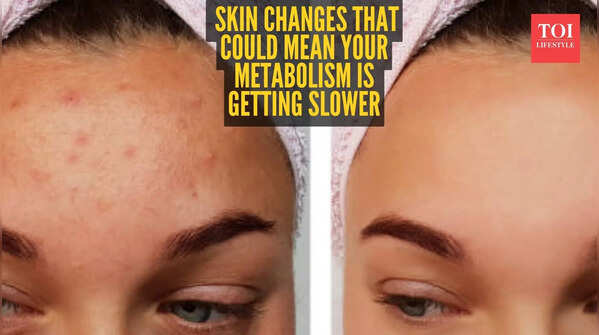
Sudden occurrence of adult acne or skin breakouts - Imbalance in the hormones namely insulin and androgens are directly associated with a poor metabolism. Individuals suffering with insulin resistance have more sebum synthesis, that may trigger unexpected adult acne. Also more acne onset, of severe nature, is linked with high glycemic index foods’ consumption and poor metabolism.

Slower wound or acne healing and repair
If your cuts, acne marks, or irritation are taking longer than usual to heal, your metabolism could be a factor. Skin repair relies heavily on cellular energy, protein synthesis, and nutrient delivery - all of which are influenced by metabolic efficiency. Reduced collagen production also contributes to delayed recovery.
Early onset of fine lines and loose skin - A comparatively slower metabolism leads to breakdown of skin proteins namely collagen and elastin, the main proteins of the skin’s structural matrix. This leads to the appearance of early fine lines, saggy and loose skin. Also more oxidative damage to the skin cells, caused by metabolic dysfunctioning, damages the skin structure further, making the skin look aged earlier.

Cause behind these early changes
The body’s metabolism not just helps to burn calories, rather it goes much beyond. It governs the body’s efficiency to burn nutrients into energy, cellular repair and even regulation of hormones. When the body has optimal metabolism, calorie restriction helps to improve skin repair by reducing oxidative damage to the cells of skin. But poor metabolic health signals early skin aging.

Tips to improvise the body’s metabolism
Focus on improving your body’s metabolism and your skin health definitely inflicts positive changes. The first factor for boosting metabolism is consuming a balanced plate containing protein, omega-3 fatty acids, antioxidants etc. Secondly, engage in daily physical activity of any form to improve insulin sensitivity. Next is taking adequate rest and managing stress by mediation or relaxation techniques to regulate the cortisol levels, the stress hormone responsible for disrupting metabolism and causing poor skin health.

Catch the early signs
These skin changes do not denote any metabolic disorder, but they can be early signs. If you notice some persistent changes in your skin, it is high time to look beyond topical skin creams and address your body’s internal health.
Because sometimes glowing skin is attributed to how well your body’s internal functioning is; and not to what you apply on the top of it!
Featured In lifestyle

MORE FROM ETIMES
life & style