
- News
- Kerala Assembly election: From anti-incumbency to SIR - what are the key issues
Kerala Assembly election: From anti-incumbency to SIR - what are the key issues
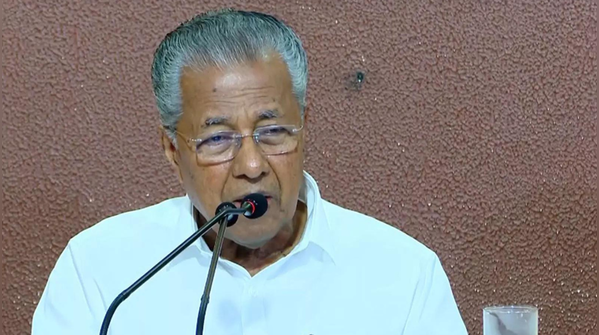
Anti-incumbency sentiment
Local body polls have shown strong performance by the opposition, signalling growing voter dissatisfaction with the incumbent Left Democratic Front (LDF) government, which parties are expected to focus on.
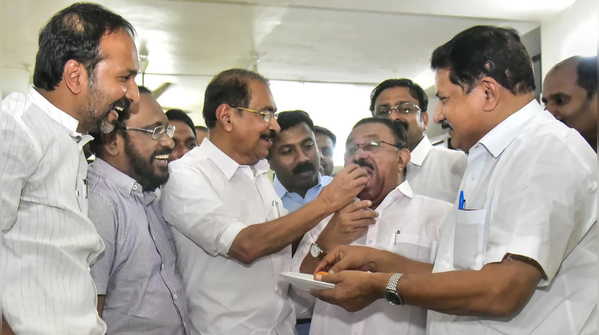
Political front competition
The contest between the LDF, the Congress-led United Democratic Front (UDF) and the BJP-led National Democratic Alliance (NDA) reflects three-cornered battles in many constituencies, with each front trying to expand its footprint.

Rise of the BJP
The BJP is making a concerted push to break into Kerala’s political mainstream, emphasising development and portraying itself as an alternative to the traditional Left-UDF duopoly.
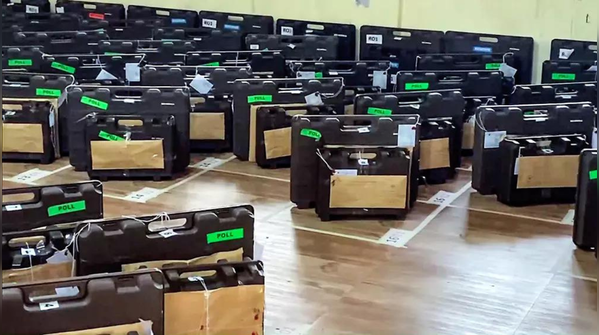
Voter list and electoral roll reforms
The Election Commission’s special intensive revision (SIR) of electoral rolls and voter list cleanup is expected to be a significant procedural factor that could influence outcomes and turnout.
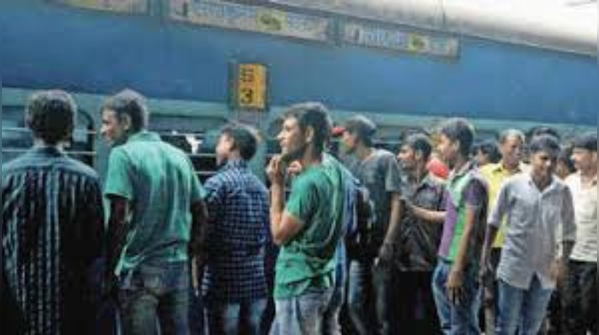
Unemployment and youth out-migration
Jobs, especially for educated youth, remain a persistent challenge, with out-migration and limited industrial growth issues likely to feature in campaign discussions.
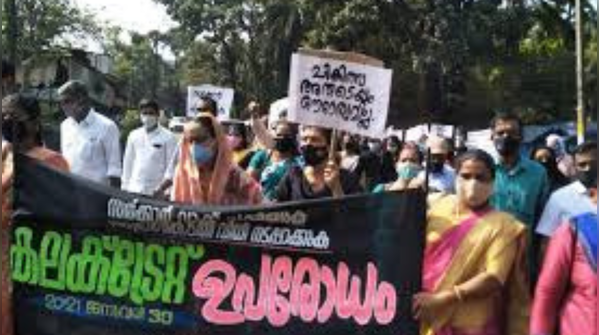
Welfare and social security policies
The LDF government’s welfare measures, including social security pension hikes and targeted benefits, are central to its campaign strategy and are being debated for their sustainability and implementation.
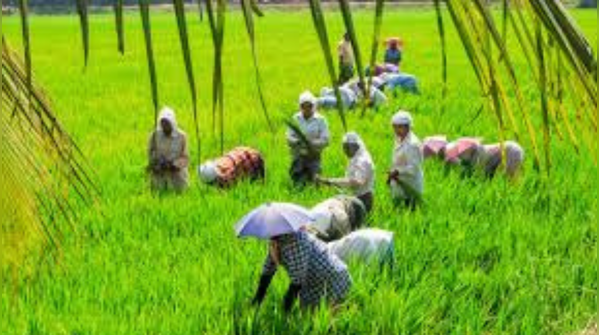
Agrarian distress and rural issues
Falling prices for cash crops such as rubber and spices, delayed paddy procurement and man-wildlife conflict affecting farmers are key rural concerns that may shape voting in agrarian districts.
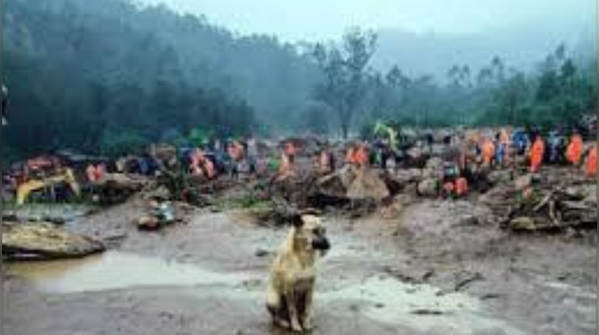
Environmental and disaster response issues
Kerala’s vulnerability to floods, landslides and other climate-linked events, as well as ongoing rehabilitation and disaster management debates, are factors that influence public sentiment and policy discussions.

