
- News
- Health News
- Why you wake up with a dry mouth or bad breath: What it reveals about hydration, sleep, and metabolism, and how to fix it
Why you wake up with a dry mouth or bad breath: What it reveals about hydration, sleep, and metabolism, and how to fix it
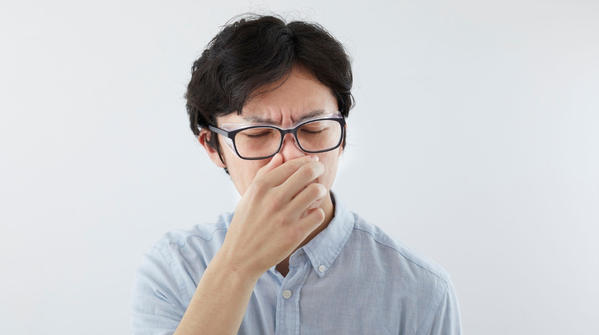
Why you wake up with dry mouth and bad breath
Morning breath is often brushed off as normal. But a dry mouth paired with a strong, unpleasant smell can signal more than just a night’s sleep. It reflects how the body handled hydration, breathing, and even digestion overnight. The mouth, in many ways, acts like a mirror. It quietly reveals what the rest of the body went through while everything seemed still.
As Dr Gargi Singh Thakur, Consultant - Internal Medicine, Manipal Hospital, Bhubaneshwar, explains, “Waking up with a dry mouth or bad breath? It might be more than just morning breath! According to experts, it could be a sign of dehydration, poor sleep quality, or metabolic issues.”

The night shift your mouth works through
During sleep, saliva production drops sharply. This is natural. Saliva protects the mouth, washes away food particles, and keeps bacteria in check. When it slows down, bacteria get a quiet window to grow.
That is why the smell is strongest in the morning. It is not just about hygiene. It is about biology taking a pause.
Don’t use ear buds or loud headphones: ENT surgeon warns of rising hearing loss in young adults
Can’t stop overthinking conversations before bed? What your brain is doing and how to break the cycle
The National Institute of Health explains how saliva acts as a first line of defense for oral health. When that defense weakens overnight, the balance shifts.

Dehydration shows up first in your mouth
A dry mouth often begins with something simple: not enough water.
When the body lacks fluids, it prioritises vital organs. The mouth gets less attention. This leads to reduced saliva and a sticky, uncomfortable feeling upon waking.
Even mild dehydration can cause this. Air-conditioned rooms, late-night caffeine, or alcohol can make it worse. The body quietly loses water through breathing and sweat during sleep.
According to the US Centers for Disease Control and Prevention, hydration plays a direct role in maintaining bodily functions, including saliva production.
Breathing through the mouth changes everything
Not everyone breathes through the nose at night. Congestion, allergies, or even habit can push people into mouth breathing.
This dries out the oral tissues quickly. The tongue, gums, and throat lose moisture. Bacteria thrive in that dry space, which worsens bad breath.
This also hints at poor sleep quality. Mouth breathing is often linked with snoring and fragmented sleep. So the dry mouth is not just a symptom. It is a clue.

What sleep quality has to do with it
Sleep is not just about duration. It is about depth and rhythm.
Interrupted sleep affects the nervous system. This can reduce saliva flow even further. People who wake up often during the night or feel unrested tend to report worse dry mouth symptoms.
There is also a link between sleep disorders and oral health.

Your metabolism leaves subtle clues
Bad breath in the morning can sometimes come from deeper inside the body.
If digestion is slow or inefficient, certain compounds build up. These can travel through the bloodstream and be released through the lungs. The result is a distinct, often stronger odor.
Dr Gargi Singh Thakur notes, “Your metabolism plays a role too - if you're not digesting food properly, toxins can build up, causing bad breath.”
Conditions like acid reflux or irregular eating patterns can amplify this effect. The body is not just processing food. It is communicating how well it is doing so.

Stress and medication: The hidden triggers
Stress does more than affect the mind. It alters saliva production and changes breathing patterns.
A tense body often breathes shallowly and through the mouth. This creates dryness without being noticed.
Certain medications also reduce saliva. These include antihistamines, antidepressants, and blood pressure drugs. The effect builds slowly, which is why many people miss the connection.
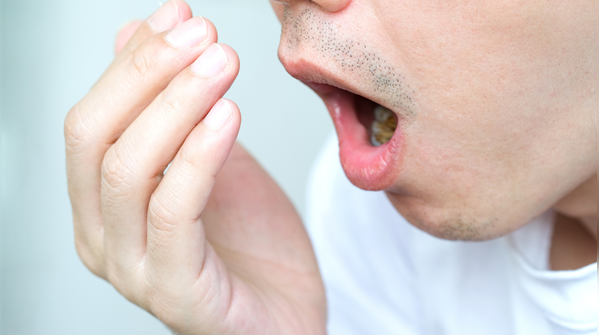
Fixing it without overcomplicating it
The solution does not lie in one single habit. It is a combination of small, steady changes.
Start with water. A glass before bed can make a difference. Then look at breathing. Clearing nasal passages and sleeping on the side can help maintain airflow through the nose.
Oral hygiene matters, but it should go beyond brushing. Cleaning the tongue reduces bacterial buildup. Sugar-free gum during the day can support saliva flow.
Dr Gargi Singh Thakur advises, “To fix it, drink water before bed, breathe through your nose, and maintain good oral hygiene. Chewing sugar-free gum can stimulate saliva production. If issues persist, consult a doctor or dentist to rule out underlying conditions.”
And if the dryness feels constant or severe, it is worth checking in with a doctor. Sometimes the body is asking for attention in quiet ways.

What should be think about
As Hippocrates once said, “All disease begins in the gut.”
It is a reminder that even something as small as morning breath can trace back to deeper systems.
Medical experts consulted
This article includes expert inputs shared with TOI Health by:
Dr Gargi Singh Thakur, Consultant - Internal Medicine, Manipal Hospital, Bhubaneshwar.
Inputs were used to explain why waking up with a dry mouth or bad breath can signal underlying issues with hydration, sleep patterns, or metabolism, and how simple changes can help address the problem effectively.
Featured In Health

