
- News
- Health News
- The hidden danger of Fatty Liver Disease: Why doctors say it can help Liver Cancer thrive even before Cirrhosis
The hidden danger of Fatty Liver Disease: Why doctors say it can help Liver Cancer thrive even before Cirrhosis
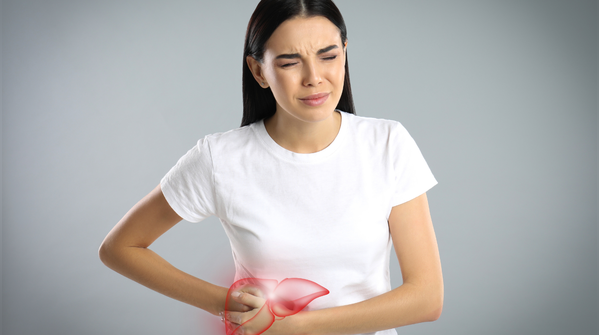
How fatty liver disease helps cancer thrive in the liver
The liver rarely complains loudly in the beginning. It keeps working quietly, even when fat starts collecting inside its cells. But doctors say this silent build-up can slowly turn dangerous. What may begin as a “mild fatty liver” can, over years, create the perfect environment for inflammation, scarring, and even liver cancer.
Once commonly called Non-alcoholic Fatty Liver Disease (NAFLD), the condition is now known as Metabolic Dysfunction Associated Steatotic Liver Disease (MASLD). The new name reflects a deeper understanding of the disease and its strong links with obesity, diabetes, high blood pressure, poor diet, and sedentary lifestyles.
According to Dr Vibha Varma, fatty liver disease is becoming one of the biggest liver health concerns of the modern era. What worries specialists most is that liver cancer can sometimes develop even before cirrhosis appears.
A large body of research now supports this concern. The National Institute of Diabetes and Digestive and Kidney Diseases (NIDDK) and the US National Cancer Institute have both highlighted the connection between obesity, fatty liver disease, chronic inflammation, and liver cancer risk.
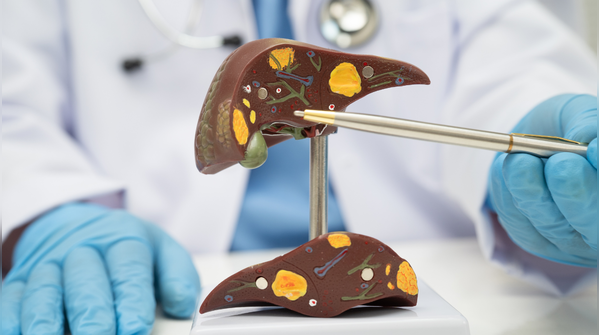
When fat becomes fuel for inflammation
A healthy liver contains very little fat, usually less than 5 percent. But when fat starts occupying more space inside liver cells, trouble begins quietly.
“Normal and healthy liver has less than 5% fat content. When the fat content exceeds 5-10% of the liver’s weight it is diagnosed as fatty liver,” says Dr Vibha Varma.
The problem is not just the fat itself. It is what the fat does to the liver over time.
Excess fat irritates liver tissue and triggers inflammation. The body’s immune system responds constantly, almost as if the liver is under attack every day. This long-standing inflammation damages healthy liver cells and increases oxidative stress inside the organ.
Doctors call this stage steatohepatitis, now referred to as MASH. At this point, the liver is no longer just fatty. It is injured.
Dr Varma explains, “Progressive increase in the fat content of liver cells, if not checked on time leads to excessive inflammation in the liver tissue.”
Scientists believe this inflammatory environment can create conditions where damaged cells begin mutating abnormally. Over time, some of these cells may become cancerous.
Why obesity and diabetes make the risk worse
The story of fatty liver disease is deeply connected to modern lifestyles.
Extra body weight does not simply sit under the skin. Fat tissue itself becomes biologically active and releases inflammatory chemicals into the bloodstream. These chemicals affect the liver directly.
“Obesity or extra weight affects entire body, and the internal organs must work harder than normal,” says Dr Varma. “Excess weight makes the liver store more fat, and too much fat in the liver can lead to inflammation.”
The numbers are striking. According to the doctor, people with type 2 diabetes have a 40-80% chance of developing fatty liver disease, while obesity is linked to fatty liver in nearly 30-90% of cases.
High blood pressure adds another layer of damage. Dr Varma notes that hypertension accelerates liver fibrosis in nearly 40-57% of patients with fatty liver disease.
In simple words, the liver becomes trapped in a cycle: fat accumulation, inflammation, scarring, and eventually abnormal cell growth.
Cancer can develop even before cirrhosis
Many people assume liver cancer only appears after complete liver failure or advanced cirrhosis. That is not always true anymore.
“Excessive inflammation in the liver cells leads to a cascade of liver cell injury and can lead to development of primary liver cell cancer, commonly termed as hepatocellular carcinoma,” says Dr Varma. “It is important to note that development of liver cell cancer can occur even before cirrhosis develops.”
This is one reason doctors now push for earlier screening and lifestyle intervention.
The liver has an unusual ability to regenerate itself. But repeated injury changes that process. Instead of healthy repair, scar tissue begins replacing normal tissue. This is called fibrosis. When fibrosis becomes severe, it turns into cirrhosis.
Dr Varma explains that around 15-25% of patients with steatohepatitis may progress to cirrhosis. Of those with cirrhosis, about 7-10% may eventually develop liver cancer.
What makes this especially concerning is how silent the disease can remain. Many people discover fatty liver only during a routine ultrasound or blood test. Others learn about it much later, when fatigue, abdominal swelling, or unexplained weight loss begin appearing.
Fatty liver is linked with more than liver cancer
The effects of MASLD are not limited to the liver alone.
Doctors now recognise its association with several other cancers, including colon cancer, rectal cancer, bile duct cancer, and breast cancer in women.
Dr Varma says fatty liver disease is also closely associated with colorectal cancer spreading to the liver. This connection may partly come from chronic systemic inflammation that affects the whole body, not just one organ.
A growing number of studies suggest that fatty liver disease reflects an overall metabolic imbalance. When the body remains in a long-term inflammatory state, cancer risks across multiple organs may rise.
This is why specialists no longer consider fatty liver a “minor lifestyle issue.” It is increasingly being viewed as a serious metabolic disease with potentially life-threatening consequences.
The encouraging part: Early damage can still be reversed
The most hopeful part of the story is that early-stage fatty liver disease can often improve significantly with timely action.
“About 15-30% of patients develop MASLD, which is reversible to healthy liver if treated on time and if the cause is removed,” says Dr Varma.
That “cause” is often lifestyle-linked.
Weight reduction, regular exercise, limiting alcohol intake, controlling diabetes, improving sleep, and managing blood pressure can reduce inflammation inside the liver. Even a modest weight loss of 7-10% has been shown in several studies to improve liver fat and inflammation.
The World Health Organization (WHO) obesity factsheet also emphasises that preventing obesity and metabolic diseases is critical for reducing long-term complications, including cancer risk.
Doctors say people should not ignore persistent fatigue, abdominal discomfort, sudden weight gain around the waist, or abnormal liver tests. Simple screening methods like liver function tests, ultrasound scans, FibroScan assessments, and metabolic evaluations can help identify problems early.
Most importantly, the conversation around fatty liver disease needs to change. It is not merely about “having a little fat in the liver.” It is about understanding how silently inflammation can reshape the body over time.
Medical experts consulted
This article includes expert inputs shared with TOI Health by:
Dr Vibha Varma, Consultant Liver-Transplant and Hepato-Biliary-Pancreatic Surgeon, Lilavati Hospital and Research Centre.
Inputs were used to explain how fatty liver disease silently damages the liver through chronic inflammation and creates conditions that may increase the risk of liver cancer over time.
Featured In Health

