
The body check: Waking up with headaches every morning? Here's what could be behind it

Recurring morning headaches? Everyday habits and health conditions may be to blame
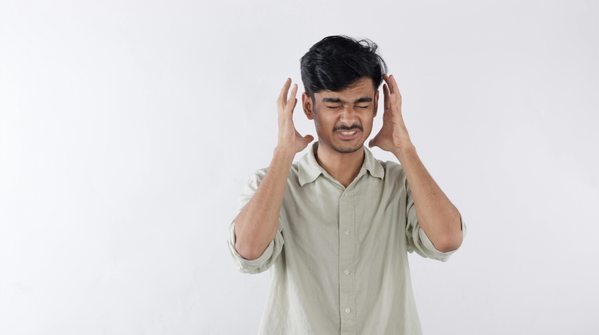
The first few minutes after waking up often set the tone for the entire day. For many people, that moment begins with stretching, checking the clock, or reaching for a glass of water. But for others, it begins with a dull ache behind the eyes, pressure around the temples, or a throbbing pain that seems to arrive before they are even fully awake.
Morning headaches are more common than many people realize. While an occasional headache may be linked to a late night or lack of sleep, recurring headaches that appear almost every morning deserve closer attention. The body rarely sends repeated signals without a reason. Sometimes the cause is surprisingly simple. At other times, it may point to a health issue that needs medical attention.
When sleep doesn't really mean rest
Many people assume that spending seven or eight hours in bed automatically means the body has rested well. In reality, sleep quality matters just as much as sleep duration.
One of the most overlooked reasons behind morning headaches is disrupted sleep. Frequent awakenings, insomnia, poor sleep posture, or an uncomfortable mattress can prevent the brain and body from reaching restorative stages of sleep.
Researchers at the US National Institutes of Health have long documented the close relationship between sleep disturbances and headache disorders. Sleep and pain share common pathways in the brain, which means poor sleep can make headaches more likely, while headaches can also interfere with sleep.
People often describe these headaches as a heavy sensation around the forehead or back of the head. They may improve within a few hours, only to return the next morning if sleep problems remain unresolved.
The hidden role of sleep apnea
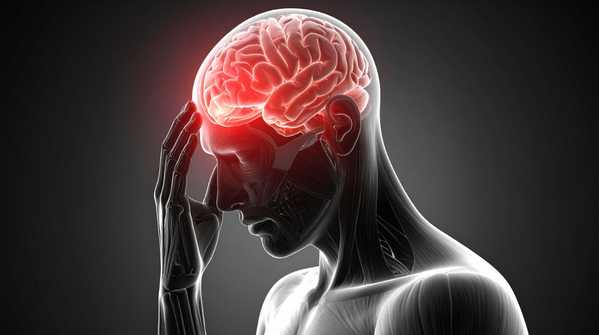
Sometimes the issue is not how long a person sleeps but how well they breathe during sleep.
Obstructive sleep apnea occurs when the airway repeatedly becomes blocked during the night, causing brief interruptions in breathing. Many individuals are unaware it is happening. Loud snoring, gasping during sleep, excessive daytime fatigue, and morning headaches are common warning signs.
During these breathing interruptions, oxygen levels can temporarily drop. Experts believe these fluctuations may contribute to headaches upon waking.
Morning headaches linked to sleep apnea are often described as a pressing pain on both sides of the head and may fade within a few hours after waking.

Stress doesn't sleep when the body does
Stress has a remarkable ability to follow people into the night.
A difficult work deadline, financial concerns, caregiving responsibilities, or unresolved emotional tension can keep the nervous system in a heightened state even during sleep. This can lead to muscle tightening around the neck, shoulders, scalp, and jaw.
Over time, this tension may trigger headaches that greet people first thing in the morning.
There is another factor that often goes unnoticed: teeth grinding, also known as bruxism. Stress-related grinding or clenching of the jaw during sleep can place considerable strain on facial muscles and joints, leading to headaches after waking.
A useful way to think about stress is that the body keeps score even when the mind tries to move on. The tension accumulated throughout the day often reveals itself during the hours that are supposed to be restorative.

Dehydration, caffeine, and other everyday triggers
Not every morning headache has a complex medical explanation.
Sometimes the cause begins with everyday habits.
The body naturally loses water overnight through breathing and perspiration. If someone goes to bed already dehydrated, the fluid loss can become more pronounced by morning. Headaches are among the common symptoms associated with mild dehydration.
Caffeine can also play a role. People who regularly consume coffee, tea, or energy drinks may develop headaches if their caffeine intake is delayed after waking. In these cases, the headache is not necessarily caused by caffeine itself but by withdrawal from a substance the body has become accustomed to.
Alcohol consumption, irregular meal timing, and certain medications may contribute as well.
The challenge is that these triggers often build gradually. A person may not notice the connection until the headaches become a regular pattern.

When a morning headache should not be ignored
Most morning headaches are linked to lifestyle factors or sleep-related issues. However, there are situations where medical evaluation becomes important.
Headaches should not be dismissed if they are becoming more frequent, increasingly severe, or accompanied by symptoms such as:
Vision changes
Confusion or memory problems
Weakness or numbness
Persistent vomiting
Difficulty speaking
Sudden severe pain unlike previous headaches
A healthcare professional can help determine whether the headaches are related to sleep disorders, migraine, blood pressure fluctuations, medication use, or another medical condition.
The key message is simple: recurring headaches are information. They are the body's way of communicating that something may need attention.

Small changes that can make a big difference
The encouraging news is that many morning headaches improve when the root cause is identified.
Simple habits can often help:
Maintain a consistent sleep schedule.
Stay adequately hydrated throughout the day.
Limit alcohol close to bedtime.
Reduce screen exposure before sleeping.
Manage stress through physical activity, meditation, or relaxation techniques.
Seek evaluation for loud snoring or suspected sleep apnea.
Avoid excessive reliance on painkillers, which can sometimes contribute to rebound headaches.
Health is often shaped by routines rather than dramatic interventions. The habits practiced each evening frequently determine how the next morning begins.
A headache may seem like a small inconvenience, but when it appears day after day, it becomes a signal worth listening to.

Disclaimer
This article is intended for informational and educational purposes only and should not be considered medical advice. Persistent, severe, or worsening headaches should be evaluated by a qualified healthcare professional. If headaches are accompanied by neurological symptoms, sudden onset of severe pain, or other concerning signs, seek immediate medical attention.
Featured In etimes

