
- News
- Health News
- Colon cancer is rising in younger adults: Doctors explain how sedentary lifestyles, poor bowel habits and diet increase risk and the daily habits that help prevent it
Colon cancer is rising in younger adults: Doctors explain how sedentary lifestyles, poor bowel habits and diet increase risk and the daily habits that help prevent it

Colon cancer rising in youth: A silent shift that doctors are noticing
For decades, colon cancer was largely seen as a disease of older adults. Doctors usually began screening after the age of 50. That assumption is slowly changing. Hospitals across the world are reporting more cases in people in their 30s and 40s. The trend has raised serious concern among gastroenterologists because many of these cases are linked to everyday habits.
According to the National Cancer Institute, colorectal cancer rates in adults under 50 have steadily increased in several countries. Their research highlights the growing burden among younger populations and the need for early awareness.
Doctors say the reason is not always genetics. In many cases, lifestyle choices quietly reshape the gut environment for years before symptoms appear.
As Dr Gyanranjan Rout, Consultant in Medical Gastroenterology at Manipal Hospital Bhubaneswar, explains, "Colon cancer is no longer a disease of older age alone. We are seeing more cases in people under 50 because their lifestyle choices are responsible for most of their changes. Physical activity and bowel habits function as essential elements that directly affect colon health yet most people overlook their significance."
Understanding how daily habits affect the colon may be one of the most powerful steps toward prevention.
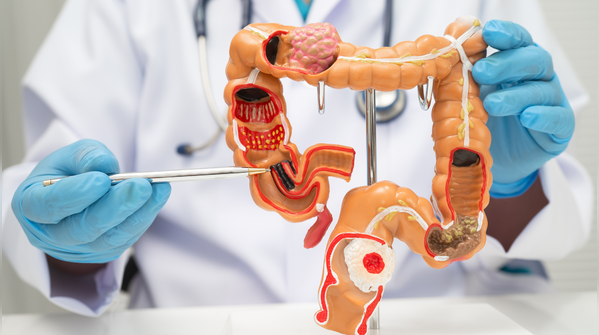
Why colon cancer is rising among younger adults
Colon cancer, also called colorectal cancer, begins when abnormal cells grow in the lining of the colon or rectum. Over time these cells can form tumours.
According to Dr Anurag Shetty, Consultant in Medical Gastroenterology at KMC Hospital Mangalore, "Colon cancer is the third most common cancer worldwide and the second leading cause of cancer worldwide."
The rise in younger patients is now one of the most worrying patterns in cancer epidemiology. Several studies suggest that modern lifestyles may be playing a major role.
Government-backed data from the National Institutes of Health also notes increasing colorectal cancer rates among people younger than 50.
Diet changes, reduced movement, obesity, alcohol use, and gut microbiome disruption all contribute to the problem. When these factors act together for many years, the colon lining may undergo slow but harmful changes.
Sedentary lifestyles and the hidden digestive impact
Many people spend eight to ten hours a day sitting at desks, driving, or using screens. This lack of movement does more than affect weight.
Doctors say it also slows down digestion.
Dr Rout explains, "The process of regular physical activity decreases colon cancer risk through multiple pathways. It enhances insulin sensitivity while reducing chronic inflammation and maintaining body weight within normal limits. The process of exercise accelerates the speed at which food moves through the digestive system. The process of potential carcinogens interacts with the colon lining for shorter durations; which results in reduced exposure to these harmful substances. People who walk briskly for 30 minutes each day at a moderate pace can expect to see measurable results."
Movement stimulates the intestines. When the body remains inactive for long periods, digestion becomes slower. Waste stays longer inside the colon, increasing exposure to potentially harmful substances.
Research cited by Dr Shetty also shows that regular exercise can reduce colon cancer risk by 19 to 24 percent.
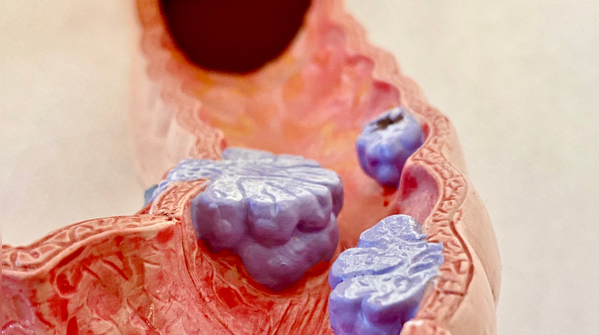
Why bowel habits matter more than people realise
Many people ignore constipation, irregular bowel movements, or straining during digestion. Doctors say these symptoms may reflect deeper gut problems.
Dr Rout explains, "Bowel habits function as essential components for maintaining health. Chronic constipation creates discomfort, which leads to extended periods when harmful digestive substances stay inside the colon. People should not ignore their symptoms, which include straining together with uneven bowel movements, and incomplete evacuation that has persisted for many years. People exhibit these symptoms because of their low fibre intake and sedentary lifestyle which leads to poor gut motility."
Scientific evidence supports this concern.
Dr Shetty adds, "Less than one bowel movements every six days has been associated with the highest risk of colon cancer."
Constipation allows toxins and bile acids to remain in contact with the colon lining for longer periods. Over time, this may trigger cellular damage. Regular bowel movements are therefore a simple but important marker of digestive health.
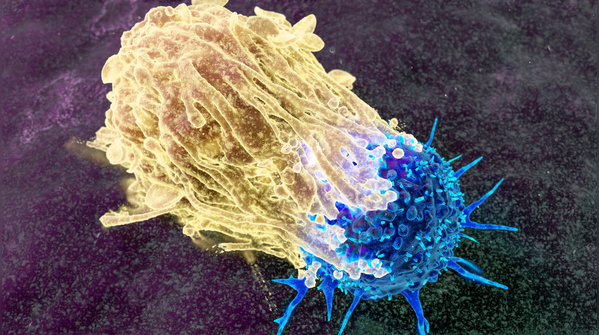
The role of diet and gut bacteria
The colon is home to trillions of bacteria that help digest food and regulate inflammation. Diet strongly influences this microbial ecosystem.
A fibre-rich diet feeds beneficial bacteria that produce anti-inflammatory compounds.
Dr Shetty explains, "Exercise also influences gut microbiotas, increasing beneficial bacteria that produce anti-inflammatory short-chain fatty acids like butyrate."
Meanwhile, diets heavy in processed foods, red meat, and low fibre can disturb this balance.
Dr Rout highlights the importance of fibre, "A healthy bowel routine usually reflects a healthy gut environment. People who consume diets that contain fibre from vegetables and fruits and whole grains and legumes will benefit their gut bacteria and experience regular bowel movements. People need to drink enough water to support this particular bodily function."
These small dietary choices shape gut health every day.
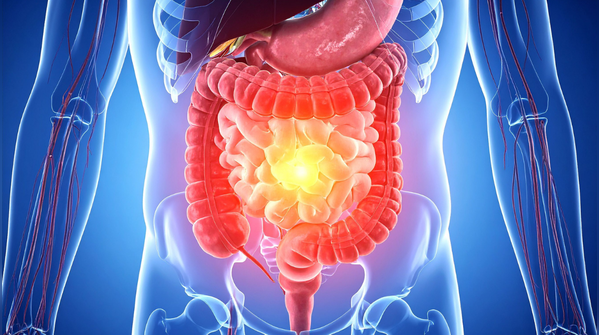
Warning signs that should never be ignored
Colon cancer often develops slowly. Early stages may not cause obvious symptoms.
However, doctors warn that certain signs should always be taken seriously.
According to Dr Narasimhaiah Srinivasaiah, Surgical Oncologist at Apollo Hospitals Bannerghatta Road Bengaluru, symptoms may include:
Rectal bleeding
Persistent change in bowel habits
Unexplained anaemia
Sudden weight loss
Ongoing abdominal discomfort
He explains that colorectal cancer is one of the few cancers that can be prevented and treated successfully when detected early.
There is also a social challenge. Many people feel uncomfortable discussing bowel symptoms. That hesitation often delays diagnosis.
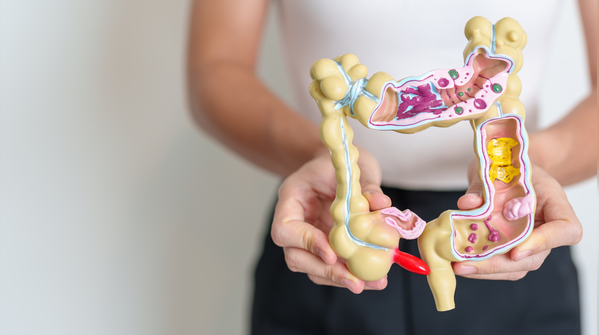
Daily habits that help lower the risk
Preventing colon cancer does not always require dramatic lifestyle changes. Small daily habits can make a measurable difference.
Dr Varun Dasari, Consultant in Surgical Gastroenterology at Manipal Hospitals Vijayawada, explains, "People consider only genetics and screening tests when they discuss colon cancer prevention methods. Daily habits, which people practice throughout their lives, actually determine their risk levels according to the research."
He adds, "The combination of physical inactivity and poor bowel habits establishes conditions, which enable cancer development and progression within the colon."

Doctors commonly recommend the following habits:
Walk or exercise at least 30 minutes daily
Eat fibre-rich foods like vegetables, fruits, whole grains and legumes
Drink enough water to support digestion
Avoid smoking and limit alcohol consumption
Reduce processed foods and excessive red meat
Maintain a healthy body weight
Seek medical advice for persistent constipation or bowel changes
Dr Dasari notes that prevention begins much earlier than symptoms, "From a clinical perspective, prevention starts long before symptoms appear. The combination of exercise with bowel control and avoidance of extended constipation periods develops protective effects against colon cancer."

Why prevention must start earlier than expected
Many experts now believe colon cancer prevention must begin decades earlier than previously assumed.
Daily choices about food, movement, and digestion quietly shape colon health over time. Prevention is not only about medical tests. It is about the routines repeated every day.
Listening to the body, maintaining healthy bowel habits, and staying physically active remain some of the most powerful tools available.
Medical experts consulted
This article includes expert inputs shared with TOI Health by:
Dr Gyanranjan Rout, Consultant in Medical Gastroenterology at Manipal Hospital Bhubaneswar.
Dr Anurag Shetty, Consultant in Medical Gastroenterology at KMC Hospital Mangalore.
Dr Narasimhaiah Srinivasaiah, Surgical Oncologist at Apollo Hospitals Bannerghatta Road Bengaluru.
Dr Varun Dasari, Consultant in Surgical Gastroenterology at Manipal Hospitals Vijayawada.
Inputs were used to explain why colon cancer cases are rising among younger adults, highlighting how sedentary lifestyles, poor bowel habits and unhealthy diets can increase risk, and why adopting regular physical activity, fibre-rich diets and healthy bowel routines is important for prevention.
Featured In Health

