
The body check: Why your eyes keep twitching and what your nervous system may be trying to tell you

Why your eyes keep twitching
There is something strangely unsettling about an eye that refuses to stay still. It starts as a tiny flutter near the eyelid. Barely noticeable at first. Then it returns during a work call, while reading at night, or during those quiet moments before sleep. Most people brush it off. Some blame stress. Others wonder if it means something more. In many cultures, eye twitching has long been tied to superstitions and omens. Some believe a twitching right eye signals good luck, while others see a twitch in the left eye as a warning of bad news or emotional turmoil.
But medicine tells a very different story.
In reality, repeated eye twitching is often the body’s subtle way of asking for rest.
Doctors call this condition eyelid myokymia. It usually affects one eye, especially the lower eyelid, and appears as a small involuntary spasm. According to neurologists, it is common and mostly harmless. But that does not mean it should always be ignored. The body has its own quiet language, and sometimes an eye twitch is less about the eye and more about everything else happening around it.
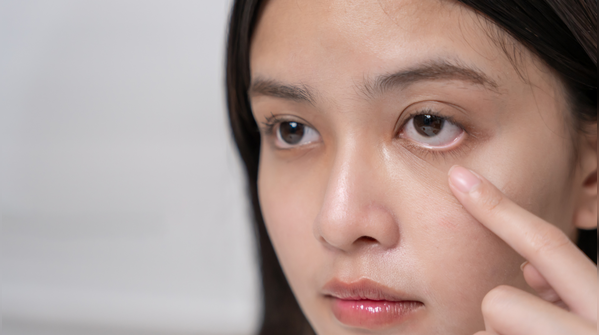
When stress settles behind the eyes
One of the biggest reasons behind repeated eye twitching is chronic stress. Not the dramatic kind, but the everyday pressure people carry without realising it. Tight deadlines. Poor sleep. Endless notifications. Emotional exhaustion that quietly piles up over weeks.
Dr Surbhi Chaturvedi, Consultant Neurologist and Head of Stroke Department at Aster Whitefield Hospitals, explains that recurrent eye twitching is frequently linked to exhaustion, prolonged screen exposure, ongoing stress, and increased caffeine intake.
Stress affects the nervous system more than most people realise. When the brain stays overstimulated for too long, the tiny muscles around the eyelids become more reactive. That is when the fluttering begins. It may last a few seconds, or continue on and off for days.
The twitch often appears during periods when people are “powering through” fatigue rather than resting properly. The body adapts for a while, but eventually small warning signs begin to surface.
Research published by the National Eye Institute also notes that fatigue and stress can contribute to eyelid spasms and eye discomfort.
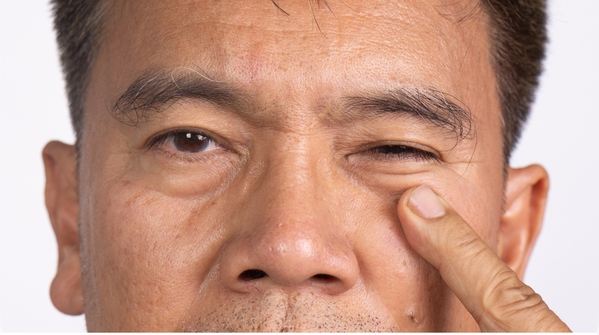
The hidden role of poor sleep
Modern sleep deprivation does not always look dramatic. Many people still function normally while surviving on five or six hours of fragmented rest. But the nervous system notices the difference.
Doctors say sleep disruption can destabilise neuromuscular control, making involuntary muscle contractions more likely. The eyelid muscles are especially sensitive because they are constantly active throughout the day.
Late-night scrolling has made this worse. The eyes stay exposed to bright screens long after the body naturally wants to rest. Blue light exposure, mental stimulation, and reduced blinking together create a perfect environment for eye strain and twitching.
People often notice that the twitching eases after a full night’s sleep or a few quieter days. That alone tells an important story: sometimes the nervous system is simply overworked.

Too much caffeine and screen time can overstimulate the muscles
Coffee culture and digital life have quietly changed the way the eyes function every day.
Caffeine stimulates the nervous system. In moderate amounts, that may improve alertness. But excessive intake can make muscles more excitable, especially when combined with stress and lack of sleep. Neurologists often see eye twitching in people consuming multiple cups of coffee, energy drinks, or high-caffeine pre-workout supplements regularly.
Then comes screen fatigue.
Humans blink less while looking at phones or laptops. Studies suggest blink rates can drop significantly during screen use. As blinking decreases, the surface of the eye dries out faster. That dryness can irritate the eyelids and contribute to twitching.
This explains why many people notice twitching worsening after long office hours or binge-watching sessions. The eyes are not necessarily damaged, but they are strained.
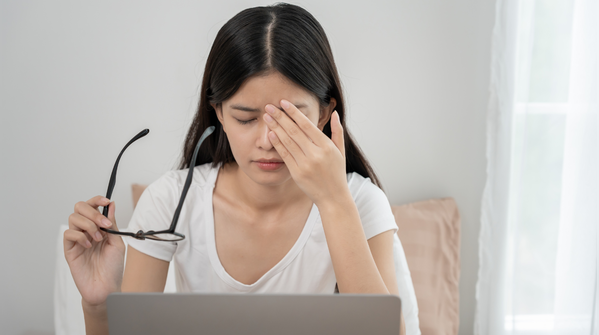
Can vitamin deficiencies trigger eye twitching?
Sometimes, yes. Though doctors say this is less common than lifestyle-related causes.
Magnesium and certain electrolytes help regulate nerve and muscle activity. When levels become imbalanced, muscles may become more irritable. In some people, repeated twitching may appear alongside fatigue, muscle cramps, or weakness.
Still, neurologists caution against assuming every eye twitch is caused by a deficiency. Social media often oversimplifies these symptoms, pushing unnecessary supplements without proper testing.
The safer approach is balance: nutritious meals, hydration, and medical guidance when symptoms persist.
The body rarely works in isolation. Stress, nutrition, hydration, sleep, and eye strain often overlap. Eye twitching is usually a reflection of that larger picture.
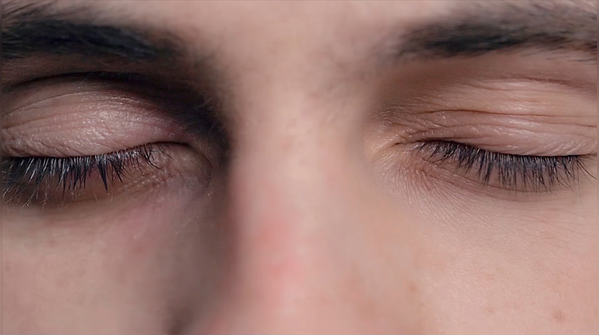
When should repeated eye twitching not be ignored?
Most eye twitching settles on its own. That is the reassuring part.
But doctors say certain signs deserve medical attention. If twitching continues for several weeks, spreads to other parts of the face, causes eyelid drooping, or interferes with vision, it is important to consult a doctor.
In rare situations, persistent spasms may be linked to neurological conditions such as blepharospasm or facial nerve disorders. These cases are uncommon, but they are the reason doctors advise paying attention to accompanying symptoms.
The key difference is persistence and progression.
An occasional flutter after a stressful week is usually harmless. A worsening spasm with facial involvement should not be self-diagnosed online.
Physicians also emphasise that repeated twitching is often not a sign of a serious eye disease. Instead, it may act as a gentle physiological warning that the body has been under more strain than it can comfortably manage.
Sometimes healing begins with ordinary things: better sleep, fewer screens, less caffeine, deeper pauses during the day, and a nervous system that finally gets permission to slow down.
Disclaimer
This article is for informational purposes only and should not be considered medical advice. Persistent or worsening eye twitching, especially when associated with facial spasms, eyelid drooping, pain, or vision changes, should be evaluated by a qualified healthcare professional.
Featured In etimes

