
Why Japan banned Indian mangoes: Here are the affected varieties
Why Japan banned Indian mangoes: Here are the affected varieties
As the summer heat peaks and mango season is in full glory, Indian exporters have received a bitter blow after Japan banned imports. Japan has halted the import of fresh mangoes from India after its quarantine officials found lapses in pest-control procedures at treatment facilities. Here’s everything you need to know about the ban and which varieties are affected.
What went wrong?
Before every export season, Japan sends quarantine officials to India to inspect Vapour Heat Treatment (VHT) facilities. This is a mandatory, non-chemical quarantine process that exposes mangoes to controlled hot and humid air to eliminate pests before shipment. Japanese quarantine officers reportedly visited mango treatment facilities in Uttar Pradesh’s Rehmanpur in March.
This year, however, inspectors found deficiencies in fumigation and disinfection procedures. The Yokohama Plant Protection Association, which works closely with Japan’s agriculture ministry and quarantine authorities, acted swiftly. It issued a formal notice stating that mango consignments carrying certificates issued by India on or after 25 March 2026 would not be accepted and would remain suspended until operational standards improved. This prompted Tokyo to suspend imports.
The real culprit
At the heart of this ban is the fruit fly, one of the most feared agricultural pests in the world. These insects lay eggs inside fruits, and once the larvae hatch, they destroy the fruit from within. Several countries, including Japan, have strict agricultural quarantine systems that treat the pest as a serious threat. These flies can spread rapidly, posing a major risk to domestic farming. However, this year’s concerns are not tied to fruit fly infestations in shipments, but to whether India’s pest-control systems were being properly followed at the source.
Timing could not be worse
According to exporters, Japan’s mango ban comes at an unfortunate time. It falls in the middle of India’s peak export window from April to June, and exporters are already fighting on multiple fronts. “I am not aware of the exact reasons behind the Japanese restrictions on Indian mangoes. However, I can confirm that we are not exporting mangoes to Japan this year,” an exporter based in Pune told ET. S. Insram Ali, president of the Mango Grower Association of India, told the outlet that talks with Japanese authorities are underway. “We were promised some solution,” he said.
Which varieties of mangoes are affected?
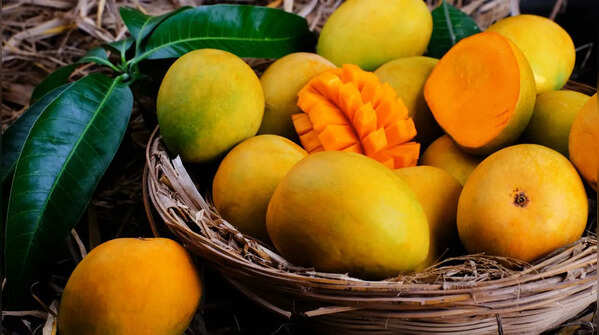
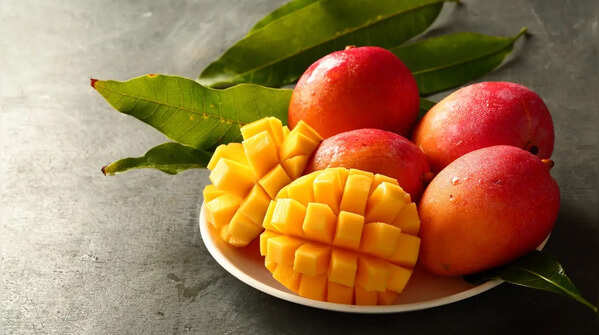
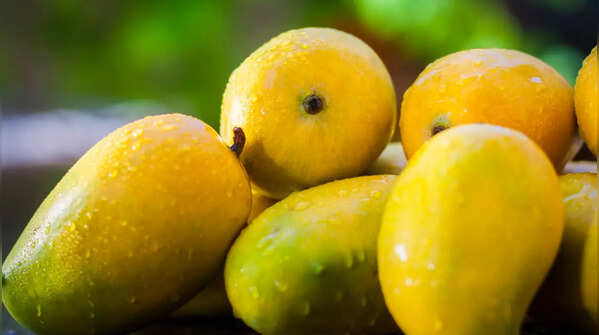
The ban affects some of India’s prized mango varieties. It affects six varieties — Alphonso, Kesar, Banganapalli, Langra, Chausa, and Malika. The king of mangoes, Alphonso, grown along Maharashtra’s Konkan coast, has a fan base of its own. So does Gujarat’s Kesar, which is prized for its deep saffron colour and honeyed sweetness. Banganapalli from Andhra Pradesh and Langra from Uttar Pradesh are beloved for their firm texture and long shelf life. Chausa and Malika, on the other hand, are late-season varieties.
Why is this ban significant?
This is the second time Japan has stopped importing Indian mangoes. In fact, the ban comes exactly 20 years after Tokyo lifted a previous ban that had lasted two decades. In 1986, Japan imposed restrictions on Indian mangoes over fears of “suspected pest infestation by fruit flies”. The ban remained in place until 2006, despite years of studies, surveys, and negotiations between the two countries. In June 2006, India’s Ministry of Commerce announced that Japan had lifted the ban after confirming “that there is no risk of infiltration of diseases and pests through previous scientific and technical examinations”.
Featured In etimes

