Trending
Why do snakes eat themselves alive? The scientific reason is stranger than you think
Snakes sometimes eat themselves due to distress or biological issues. Overheating, stress, and neurological problems are major causes. In captivity, improper enclosures lead to overheating and stress. Aggressive feeders like Kingsnakes may bite their tails by mistake. Brain trauma and neurological disorders also cause self-biting. Vets advise close monitoring of enclosure temperature.
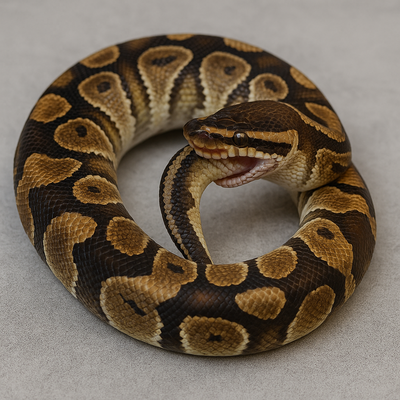
Why do snakes eat themselves alive? The scientific reason is stranger than you think
Understanding snake anatomy and behaviour
How overheating makes snakes eat themselves
When snakes get stressed, they might eat their own tails
Aggressive feeders like Kingsnakes may mistake their tail for prey
Some snakes bite themselves due to brain trauma
End of Article
Follow Us On Social Media










Photostories
Tired of too many ads?go ad free now
Featured In Lifestyle

Tired of too many ads?go ad free now
Hot on the Web
Shubhanshu ShuklaJeff Bezos WeddingKhan SirCancer SymptomsBlood PressureSrikanthPanchayat 4 ReviewStomach Cancer SymptomsKapil SharmaExercise for EyesightSitaare Zameen Par ReviewLow Calories BreakfastsAmerican National ParksIndian CitiesBaba Vanga PredictionsVandana PathakFatty Liver SymptomsPassport Seva Programme V2.0Kuberaa Box Office CollectionSitaare Zameen Par Box Office CollectionLeopard Spotting Places IndiaKidney Disease SymptomsHeart Health ExerciseGoldfish TypesKuberaa Movie ReviewBaba Vanga PredictionBeautiful Natural LandmarksScenic Destinations From DelhiHousefull 5 Box Office CollectionDNA Movie ReviewDaniel GaffordElon MuskBelly FatBlack Mamba FightCancer ResearchHeatstroke Can Be DangerousShubhanshu Shukla Message To WifeMeghan MarkleAlcohol Can Shorten Your LifeGauranga DasShubhanshu Shukla First VideoSundar Pichai
Trending Topics
Latest MoviesBollywood MoviesHollywood MoviesTamil Movies 2025Telugu Movies 2025Malayalam Movies 2025Kannada Movies 2025Marathi Movies 2025Bengali Movies 2025Top Rated Movies 2025Best Hindi MoviesBest English MoviesBest Telugu MoviesBest Tamil MoviesBest Malayalam MoviesBest Kannada MoviesBest Bengali MoviesUpcoming Hindi MoviesBest Movies Of All TimeBest Hindi Movies of All TimeLatest English MoviesLatest Malayalam MoviesEnglish TV NewsTamil TV NewsTelugu TV NewsMalayalam TV NewsKannada TV NewsMovie ReviewsBhojpuri Cinema NewsGujarati Cinema News
Popular Categories
Viral NewsK Pop NewsWeb Series NewsAnime NewsUpcoming English MoviesUpcoming Tamil MoviesUpcoming Telugu MoviesUpcoming Malayalam MoviesUpcoming Kannada MoviesFashion TipsTravel NewsEntertainment NewsBollywood NewsTollywood NewsKollywood NewsMollywood NewsFood NewsLatest Hindi MoviesLatest Tamil MoviesParenting TipsHome RemediesWeight LossBeauty TipsParenting TipsHindi VideosHindi Video SongsBhojpuri Music VideosLatest Telugu MoviesBhojpuri Music VideoHindi TV News
Latest News
Indian-origin Mamdani to be next NYC mayor: Zohran's old post on 'Queer Liberation' goes viral; Vivek Ramaswamy suggests 'move to Ohio'Rahul Bose reveals his mother slapped him every day for 5 years, forced him to play Rugby: ‘I was useless, it helped me’Sonakshi Sinha on negativity on social media; how she gives it back to trolls targeting her family: 'It’s just too much, how much will you fight'Startup CEO says Google had everything ..., yet OpenAI beat them to the LLM Gold Rush, Elon Musk's 'one-word' replyRealty breaks out: Nifty Realty outpaces Nifty 50, jumps 8% in a month, analysts pick these stocks with upsideAjay Devgn and son Yug attend screening of Kajol's film 'MAA'"Listening is most powerful parenting tool": Kajol gets candid before 'Maa' release‘Largest share sale through QIP’: SBI plans Rs 25,000 crore Qualified Institutional Placement; appoints six banks for first share sale in 8 years2026 senate race: Scott Brown launches bid to flip battleground New Hampshire seat from blue to red; Pappas criticizesWhy is PlayStation facing lawsuits from thousands of Gamers?What happened to Aaron Ekblad’s extension hopes, and why he may be leaving the Florida Panthers soonHow Zohran Mamdani used pop culture to make politics personal for South Asians in New YorkPoint of no return? Kharge takes 'Modi first' swipe at Tharoor; Congress MP responds with cryptic messageAngel Reese gives emotional shoutout to Lisa Leslie after win and breaks silence on their bondIND vs ENG: Gautam Gambhir refuses to laud Rishabh Pant's twin tons after Leeds loss – 'There're three more centuries'Chhattisgarh: Get us school teachers, not liquor shops, say protesting students over absence of lecturers, approach collectorDan Ticktum shares unfiltered pictures and a note after Jakarta win, mentions losing F1 chance: “It wasn’t down to my attitude”USCIS issues new guidelines on disclosure of ‘derogatory information’