Trending
Heatstroke can be dangerous for your dog: Know the signs, risks, and how to prevent it
Heatstroke is a critical emergency for dogs, often triggered by hot weather and exacerbated by factors like breed and obesity. Recognizing early signs such as heavy panting and acting swiftly by seeking immediate veterinary care are crucial. Prevention involves providing shade, water, avoiding strenuous exercise during peak heat, and never leaving dogs in cars.
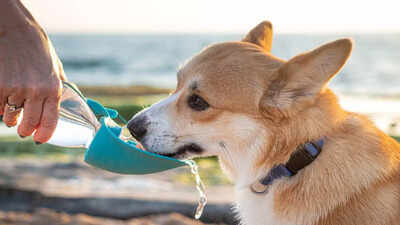
Source: Canva
What is heatstroke?

Source: Canva
Signs of heatstroke in dogs
- Heavy panting and fast breathing
- Heavy drooling
- Dry mucous membranes
- Bright red gums and tongue
- Hot skin
- Fast heart rate
- Increased hyperactivity
- Inability to maintain balance
- Collapse
- Dehydration
Causes and risk factors of heatstroke in dogs
- Certain breeds (longhaired, brachycephalic)
- Age (very young or old dogs)
- Poor physical fitness
- Overweight or obesity
- Medical conditions (hypothyroidism, heart disease, laryngeal paralysis)
- Environmental factors (closed vehicles, direct sunlight, lack of water, confinement in small spaces without ventilation)
- Restricted access to water
- Sudden changes in climate
- Excessive exercise or physical activity in hot weather
Ways to prevent heatstroke in dogs
- Provide shade and water when outdoors.
- Exercise dogs during cooler times (morning or night).
- Never leave dogs alone in cars, even with windows cracked open.
- Keep pets with predisposed conditions inside with air-conditioning on hot days.
- Monitor your dog's behavior and watch for signs of heat stress.
- Avoid strenuous exercise on hot, humid days.
- Provide plenty of fresh water at all times.
Can heatstroke be treated at home?
Treating heatstroke in dogs
End of Article
Follow Us On Social Media
Visual Stories










Tired of too many ads?go ad free now
Featured In Lifestyle

Tired of too many ads?go ad free now
Hot on the Web
Shubhanshu ShuklaJeff Bezos WeddingKhan SirCancer SymptomsBlood PressureSrikanthPanchayat 4 ReviewStomach Cancer SymptomsKapil SharmaExercise for EyesightSitaare Zameen Par ReviewLow Calories BreakfastsAmerican National ParksKuberaa ReviewLeast Liveable Cities 2025Vandana PathakFatty Liver SymptomsPassport Seva Programme V2.0Kuberaa Box Office CollectionSitaare Zameen Par Box Office CollectionAnupamaaKidney Disease SymptomsHeart Health ExerciseGoldfish TypesKuberaa Movie ReviewBaba Vanga PredictionBeautiful Natural LandmarksScenic Destinations From DelhiHousefull 5 Box Office CollectionDNA Movie ReviewDaniel GaffordDangeti JahnaviBelly FatBlack Mamba FightCancer ResearchHarvard Research RevealsShubhanshu Shukla Message To WifeMeghan MarkleAlcohol Can Shorten Your LifeGauranga DasShubhanshu Shukla First VideoSundar Pichai
Trending Topics
Latest MoviesBollywood MoviesHollywood MoviesTamil Movies 2025Telugu Movies 2025Malayalam Movies 2025Kannada Movies 2025Marathi Movies 2025Bengali Movies 2025Top Rated Movies 2025Best Hindi MoviesBest English MoviesBest Telugu MoviesBest Tamil MoviesBest Malayalam MoviesBest Kannada MoviesBest Bengali MoviesUpcoming Hindi MoviesBest Movies Of All TimeBest Hindi Movies of All TimeLatest English MoviesLatest Malayalam MoviesEnglish TV NewsTamil TV NewsTelugu TV NewsMalayalam TV NewsKannada TV NewsMovie ReviewsBhojpuri Cinema NewsGujarati Cinema News
Popular Categories
Viral NewsK Pop NewsWeb Series NewsAnime NewsUpcoming English MoviesUpcoming Tamil MoviesUpcoming Telugu MoviesUpcoming Malayalam MoviesUpcoming Kannada MoviesFashion TipsTravel NewsEntertainment NewsBollywood NewsTollywood NewsKollywood NewsMollywood NewsFood NewsLatest Hindi MoviesLatest Tamil MoviesParenting TipsHome RemediesWeight LossBeauty TipsParenting TipsHindi VideosHindi Video SongsBhojpuri Music VideosLatest Telugu MoviesBhojpuri Music VideoHindi TV News
Latest News
A documentary on BTS made by their fans, ‘Forever We Are Young’ gets release date – Deets inside!Bhavesh Jain to represent India at Taiwan Ocean Forum; selected as youth delegate, to speak on sustainability & global cooperation'Kuberaa' box office collection day 6 (Live): The Dhanush starrer rocks the box office with yet another strong dayAnupamaa: Anu loses her job; Toshu makes a fake death certificate of BaapujiED conducts searches across NCR and Punjab in Rs 989 crore bank 'fraud' probeIndia-US trade deal: New Delhi’s trade surplus with Washington may shrink as bilateral trade deal nears finalisation - Report‘This is my school, don’t act smart in front of me’: Teacher suspended for reporting to duty intoxicated in Madhya Pradesh – watchNeeraj Chopra 'not happy' with 85.29m effort, despite winning Ostrava Golden Spike titleNo Taylor Swift, no problem—Travis Kelce takes over Nashville party stage and goes viral at Tight End U bashIndiamart surges 6% as Nuvama turns bullish, lifts target to Rs 3,800, brokerage sees subscriber revivalAnanya Panday Adorably Celebrates Baby River’s 1st Birthday, Dubbing Him The ‘Apple of Her Eye’ - See PICExtreme heat wave hits eastern United States'Credibility up for auction': Iran slams IAEA; Tehran lawmakers vote to cut ties with nuclear watchdogYeh Rishta Kya Kehlata Hai: Abhira is stuck between Armaan and Anshuman's ego clashRidhima Pandit pledges eye donation on the occasion of her birthday; writes ‘A small step that could one day light up someone else’s world’Zodiac signs most likely to attract oppositesCIP Centre Agra: Cabinet clears potato R&D hub in UP; Rs 111.5 crore push to raise farmer incomes, yieldsHow to add GTA 6 in your Xbox wishlist?