
Trending
Why do security forces hang glass bottles on barbed-wire fences along the India-Pakistan border?
Empty glass bottles are strategically hung on barbed-wire fences along the India-Pakistan border, creating a simple yet effective noise alert system. These clinking bottles warn of intruders, smugglers, or wildlife, especially in areas with poor visibility, supplementing advanced security measures with a low-cost, low-maintenance solution.
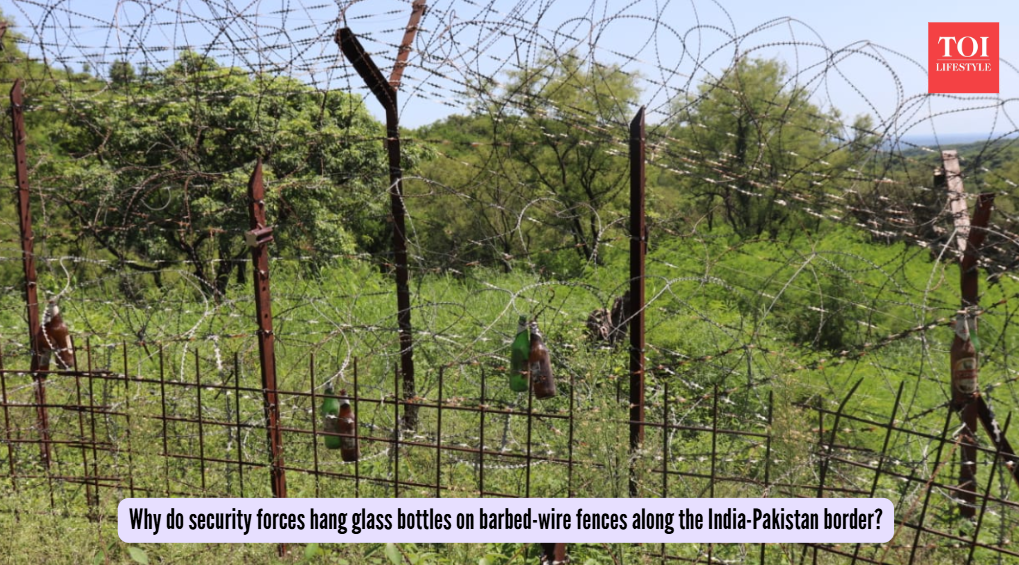
Why do security forces hang glass bottles on barbed-wire fences along the India-Pakistan border? (Photo: @TheSatishDua/ X )
The simple genius behind glass bottles on the border
But why glass bottles?
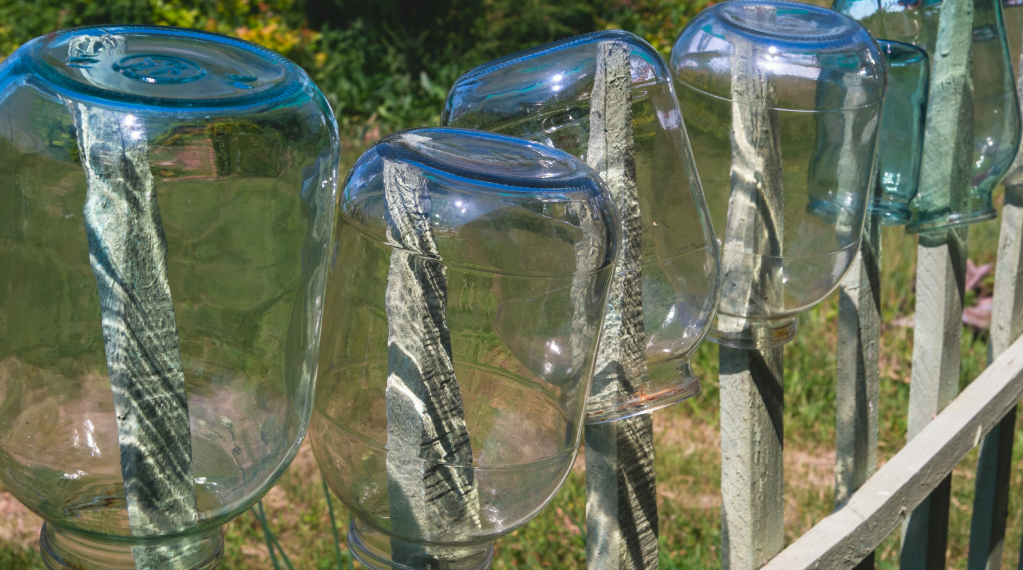
Representative Image
A ‘smart’ and economical alarm system
End of Article
Follow Us On Social Media
Tired of too many ads?go ad free now
lifestyle videos
Featured In Lifestyle

Tired of too many ads?go ad free now



Hot on the Web
Rajpal Yadav Cheque Bounce CaseValentine's Day WishesRajpal YadavSnakes Hiding SpotsAmitabh BachchanSalman KhanDhanushBaby NamesValentine Day Gift IdeasGeorge ClooneyKiss Day MessagesInderjeet Singh'O'Romeo' Box Office CollectionKenishaaFarji Season 2Sonu SoodRadha YadavUdit NarayanIndia First Musical Road1987 Dinner MenuMardaani 3 Box Office CollectionEckhart TolleHair Care TipsBorder 2 CollectionTadoba - Andhari Tiger ReserveBorder 2 Movie ReviewMilk AdulterationChadwick BosemanPrincess DianaTu Yaa Main Movie ReviewToday Gold Rate in ChennaiDelhi Weather TodayDelhi AQI TodayMumbai AQI TodayMaharashtra Public Holidays 2026JPMorganQuote Of The Day By Marie CurieElon MuskRajpal Yadav Car CollectionMG MajestorSamsung Galaxy s26
Trending Topics
Latest MoviesBollywood MoviesHollywood MoviesTamil Movies 2026Telugu Movies 2026Malayalam Movies 2026Kannada MoviesMarathi MoviesBengali Movies 2026Top Rated Movies 2026Best Hindi MoviesBest English MoviesBest Telugu MoviesBest Tamil MoviesBest Malayalam MoviesBest Kannada MoviesBest Bengali MoviesUpcoming Hindi MoviesBest Movies Of All TimeBest Hindi Movies of All TimeLatest English MoviesLatest Malayalam MoviesEnglish TV NewsTamil TV NewsTelugu TV NewsMalayalam TV NewsKannada TV NewsMovie ReviewsBhojpuri Cinema NewsGujarati Cinema News
Popular Categories
Viral NewsK Pop NewsWeb Series NewsAnime NewsUpcoming English MoviesUpcoming Tamil MoviesUpcoming Telugu MoviesUpcoming Malayalam MoviesUpcoming Kannada MoviesFashion TipsTravel NewsEntertainment NewsBollywood NewsTollywood NewsKollywood NewsMollywood NewsFood NewsLatest Hindi MoviesLatest Tamil MoviesParenting TipsHome RemediesWeight LossBeauty TipsParenting TipsHindi VideosHindi Video SongsBhojpuri Music VideosLatest Telugu MoviesBhojpuri Music VideoHindi TV News
Latest News
Tamil Nadu assembly polls: CM M K Stalin credits Rs 5,000 to 1.31 crore women under Kalaignar Magalir Urimai Thogai schemePooja Hegde fan girls at John Mayer concert; Says she ‘Can’t believe it’Why do security forces hang glass bottles on barbed-wire fences along the India-Pakistan border?Who will be Bangladesh’s next PM? Tarique Rahman, once-exiled scion, set to take chargeMG Majestor revealed: Five things to know before you bookNicolas Cage’s USD 40 million net worth: A journey of fame and financial troubleVishal Mishra croons the ‘Kattuchembakam’ song for Tovino Thomas starrer ‘Pallichattambi’Apple to open its sixth store in Borivali on February 26These zodiac signs will receive Lord Shiva's blessings on Mahashivratri 2026AIIMS NORCET 10 recruitment 2026 notification out for 3000+ nursing officer vacancies; check details hereAsian Shooting: Aishwary Tomar outguns Niraj Kumar in game of fine marginsIPL: Riyan Parag set to be named as Rajasthan Royals captainRomance at a premium! Valentine’s roses get pricierRanji Trophy: Change in mindset key to Uttarakhand’s successWhen Hollywood actors draw a line against artificial intelligence: Inside the battle to protect art, identity, and performanceCBSE Board Exams 2026 Live Webcast: What every student, parent, and teacher must know, and why CBSE’s session today mattersUAE announces reduced working hours for public and private sector employees this RamadanAmitabh Bachchan says ‘Joy of less’ stays for life; Speaks on imbalance of abundance