
Trending
First Solar Eclipse of 2026 on February 17: Will the ‘Ring of Fire’ Be Visible in India? When, Where, and How to Watch
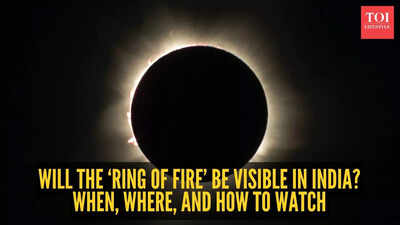
Solar eclipse 2026: What is happening today?
Will the ring of fire be visible in India?
Where will the February 17 solar eclipse be seen?
Why is it called an annular solar eclipse?
A rare event in a remote region
How can Indians follow the eclipse?
Solar eclipse February 17 : The final word
End of Article
Follow Us On Social Media
Tired of too many ads?go ad free now
lifestyle videos
Featured In Lifestyle

Tired of too many ads?go ad free now



Hot on the Web
Robert Duvall DeathRamadan Mubarak MessagesIndian DishesAnurag KashyapVijay DeverakondaWeight LossSmita ManjareRajpal YadavSolar Eclipse 2026Ameesha PatelTrisha KrishnanPremium Indian DishesRamadan 2026George ClooneyRanveer Singh'O'Romeo' Box Office CollectionSnakes Hiding SpotsSurya Grahan 2026Kunal NayyarMaya AngelouJana NayaganIndian Vs American ChildrenMardaani 3 Box Office CollectionX DownAmavasya 2026Border 2 CollectionRamadan 2026 DateBorder 2 Movie ReviewKangana RanautTu Yaa Main Movie ReviewToday Gold Rate in ChennaiDelhi Weather TodayDelhi AQI TodayMumbai AQI TodayMaharashtra Public Holidays 2026Ai Impact Summit 2026PM Rahat SchemeElon MuskSridhar VembuJensen HuangOppo K14x5G
Trending Topics
Latest MoviesBollywood MoviesHollywood MoviesTamil Movies 2026Telugu Movies 2026Malayalam Movies 2026Kannada MoviesMarathi MoviesBengali Movies 2026Top Rated Movies 2026Best Hindi MoviesBest English MoviesBest Telugu MoviesBest Tamil MoviesBest Malayalam MoviesBest Kannada MoviesBest Bengali MoviesUpcoming Hindi MoviesBest Movies Of All TimeBest Hindi Movies of All TimeLatest English MoviesLatest Malayalam MoviesEnglish TV NewsTamil TV NewsTelugu TV NewsMalayalam TV NewsKannada TV NewsMovie ReviewsBhojpuri Cinema NewsGujarati Cinema News
Popular Categories
Viral NewsK Pop NewsWeb Series NewsAnime NewsUpcoming English MoviesUpcoming Tamil MoviesUpcoming Telugu MoviesUpcoming Malayalam MoviesUpcoming Kannada MoviesFashion TipsTravel NewsEntertainment NewsBollywood NewsTollywood NewsKollywood NewsMollywood NewsFood NewsLatest Hindi MoviesLatest Tamil MoviesParenting TipsHome RemediesWeight LossBeauty TipsParenting TipsHindi VideosHindi Video SongsBhojpuri Music VideosLatest Telugu MoviesBhojpuri Music VideoHindi TV News
Latest News
At 65, why this woman started driving an auto rickshaw: “I used to stay at home, but I realized ..."Karma Horoscope 2026: How your past actions affect this yearISL: East Bengal rout NorthEast United in jinx-breaking startAI knows how caste works in India. Here’s why that’s a worry‘Iron Lung’ controversy explained: What happened with Markiplier’s indie directorial debutResignation twist: Bhupen Borah quits Congress, pauses decision, Himanta’s BJP offer follows — row explainedCarmen Electra reveals ideal next date; Says she wants to date an artisteMeerut Metro to be fastest in India at 120 kmph; 12 station, 21km corridor to be covered in around 30 minutesWill power sees England through at T20 World CupExplained: Saudi Arabia's new 90-day health insurance policy for overseas Hajj, Umrah pilgrimsAustralia won't repatriate 34 women and children from SyriaIs AJ Styles returning following a major announcement on WWE RAW?Elon Musk inches closer to becoming world's first trillionaire; net worth nears $850bnZimbabwe eye historic Super Eight spot against IrelandKritika Kamra, Gaurav Kapur to wrap up all work commitments; Prepares for March weddingPM Modi hails AI’s role in ‘public good’ amid ongoing summit; shares message in SanskritHardik Pandya channelled Shiva energy with rare ‘Rudra’ watch during India vs Pakistan gameEstonian President Alar Karis arrives in New Delhi for AI Impact Summit