
8 mind-blowing images of auroras taken from space
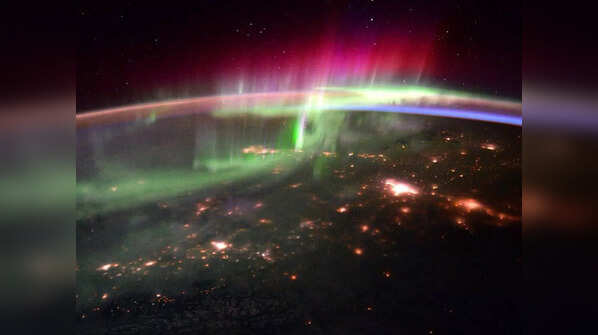
Auroras from space
Auroras, commonly known as the Northern and Southern Lights, are one of the most spectacular natural phenomena. These eight images, taken from space, offer a rare look at these lights, displaying their full glory. Captured by astronauts, these photos show the auroras in unprecedented detail, highlighting the brilliant colors and vast scale that can only be fully appreciated from above. These images not only showcase the beauty of the auroras but also the power of the sun’s influence on our planet.
Image: ESA
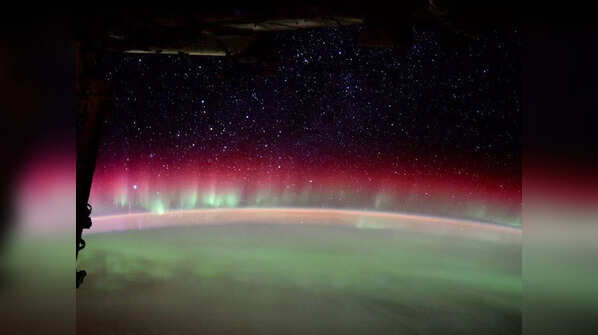
Boreal brilliance
The crew aboard the International Space Station during Expedition 46 had the fortune of witnessing the Aurora Borealis up close. This event, occurring in January 2016, showcased a spectrum of colors that painted the polar skies. The lights appeared as a dynamic, shifting curtain of photons, a silent symphony of hues that left the onlookers in awe.
Image: ESA
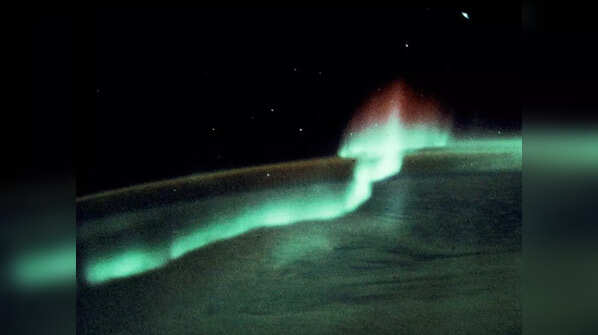
Challenger’s Southern Lights
The Challenger space shuttle mission in April 1985 provided a rare glimpse of the Southern Lights. Astronaut Robert F. Overmyer managed to photograph the phenomenon, capturing the ethereal green glow that cut across the night sky. This image serves as a historical record of the beauty of the auroras from a spaceborne perspective.
Image: NASA
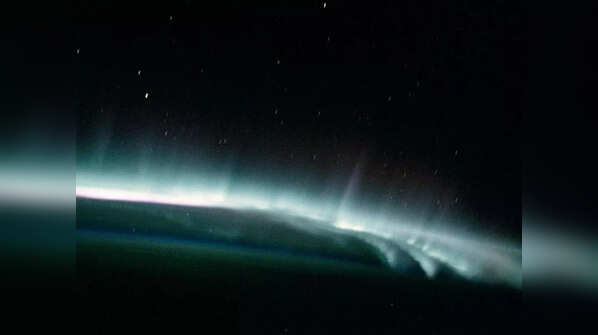
White waves over the world
Astronauts aboard the ISS captured an extraordinary view of the aurora australis. The image depicted the auroral lights as they soared over the Southern Hemisphere, extending for hundreds of miles. The sight resembled a celestial ocean of light, with waves of photons crashing against the shores of the atmosphere.
Image: NASA
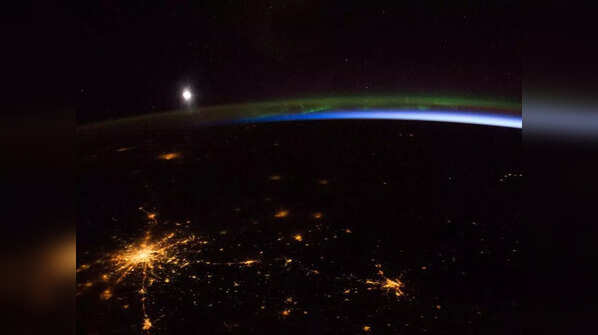
Moscow under the moon and lights
The crew of Expedition 39 on the ISS captured a unique scene where the aurora borealis and the urban lights of Moscow converged under a full moon. The photograph, taken in April 2014, showed the natural and human-made lights competing for dominance in the night sky, creating a surreal tableau.
Image: NASA
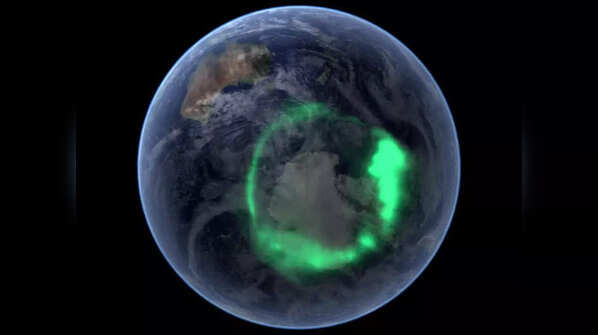
Serpentine splendor
NASA’s IMAGE satellite captured a unique formation of the aurora australis in September 2005. The image revealed a nearly perfect circle of green light enveloping the Southern Hemisphere. The formation resembled a space serpent, a guardian of the globe, coiled in the planet’s magnetic embrace.
Image: NASA Goddard
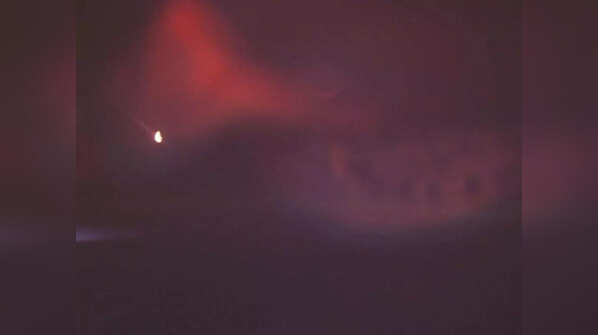
Red hues of the atmosphere
A seldom-seen spectacle was recorded by the ISS in October 2001 when a blood-red aurora appeared. This rare occurrence is the result of solar particles engaging with oxygen at high altitudes, producing a breathtaking scarlet display that adorned the sky.
Image: NASA
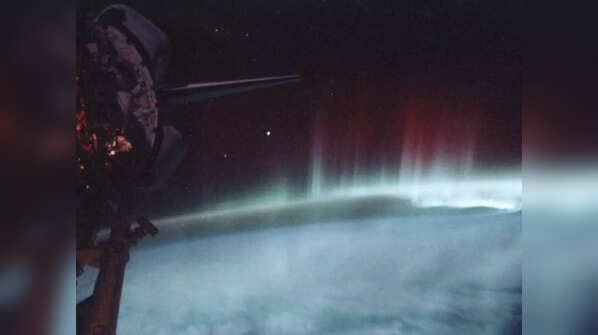
Discovery’s solar maximum display
The crew of the space shuttle Discovery was treated to a spectacular auroral show during the solar maximum of May 1991. The increased solar activity during this period resulted in a fusion of green and red lights, creating a canvas of color in the cosmos.
Image: NASA
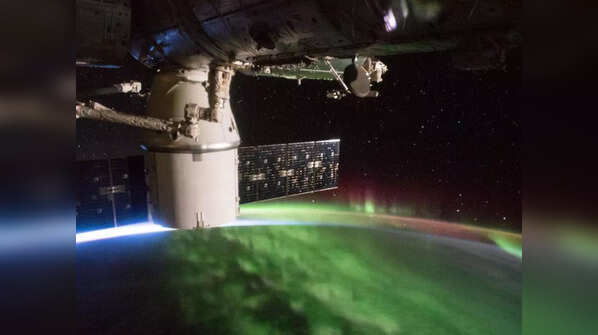
Dragon among the lights
An unforgettable moment was captured on the ISS in August 2016 when the SpaceX Dragon spacecraft was seen against the backdrop of a multicolored aurora. The convergence of human ingenuity and natural splendor was symbolized by the spacecraft’s silhouette set against the cosmic dance of lights.
Image: NASA
Featured In lifestyle

