
- News
- etimes
- animals-pets
- Lizards share a common ancestor with these fearsome animals—Here's what science says
Lizards share a common ancestor with these fearsome animals—Here's what science says
Lizards share a common ancestor with these fearsome animals—Here's what science says
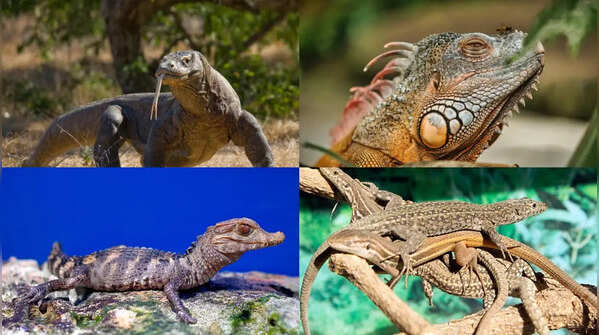
Lizards are generally considered as harmless reptiles that creep along the walls, rest on rocks, or hide under plant leaves. Nevertheless, biologists emphasize the connection that exists between today's lizards and some of the most frightening and powerful predators that existed on our planet during its history. From gigantic crocodiles to terrifying prehistoric reptiles, lizards have become part of an ancient reptilian family which evolved millions of years ago. Through evolutionary research and studies, scientists continue to learn about the development and evolution of current reptiles in the past. Although contemporary lizards cannot be compared to ancient reptiles, science confirms that many current reptiles retain certain biological characteristics which were inherited from their ancestors.
Lizards belong to an ancient reptile lineage
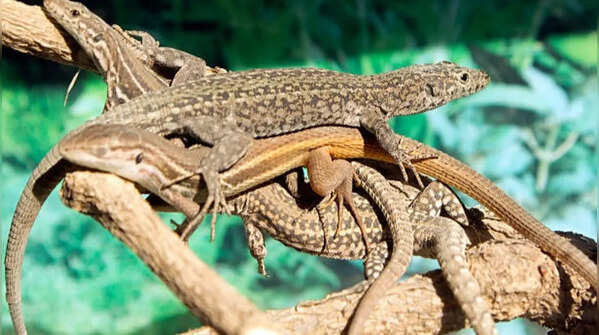
Scientists point out that current lizards have evolved from the large reptile family, which appeared millions of years ago. As a result, various species of lizards gradually evolved over time due to adaptation in various climates, eventually becoming snakes, crocodiles, dinosaurs, and lizards. Though reptiles may vary greatly by appearance and behavior, they share numerous biological features inherited from ancient reptilians, such as scales, cold-blooded nature, egg-laying ability, and instinctive survival skills. Numerous fossils also help scientists track down evolutionary relationships among reptiles.
Lizards and crocodiles share a distant reptilian ancestry
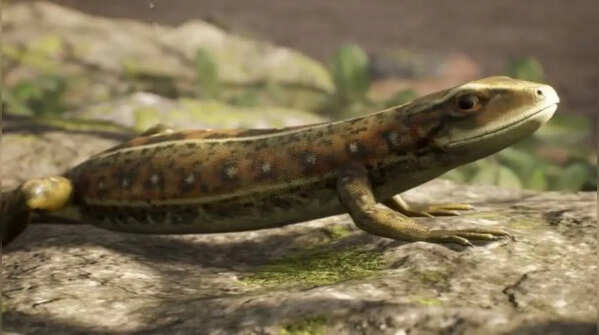
One of the most interesting evolutionary relationships among reptiles mentioned by scientists is that of lizards and crocodiles. Even though these animals now belong to two separate branches of reptiles, they were originally developed from the same type of reptilian species. Biologists also explain that lizards and crocodiles have similar biological characteristics which reflect their evolution from ancient ancestors, including cold-blooded metabolism, egg-laying, scales and others. Even though reptiles differ dramatically from each other in size and behavior, they belong to the same reptilian branch.
Lizards and crocodiles share a distant reptilian ancestry
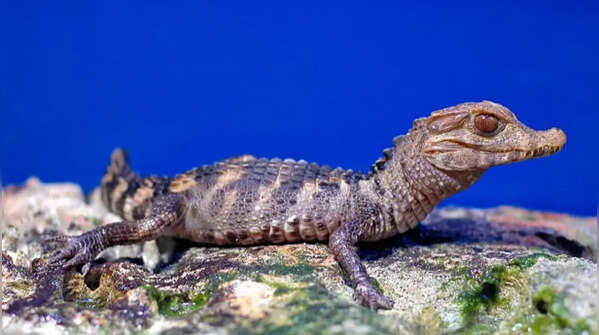
One of the most interesting evolutionary relationships among reptiles mentioned by scientists is that of lizards and crocodiles. Even though these animals now belong to two separate branches of reptiles, they were originally developed from the same type of reptilian species. Biologists also explain that lizards and crocodiles have similar biological characteristics which reflect their evolution from ancient ancestors, including cold-blooded metabolism, egg-laying, scales and others. Even though reptiles differ dramatically from each other in size and behavior, they belong to the same reptilian branch.
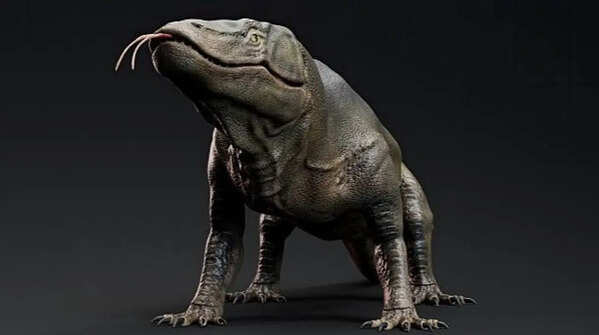
Dinosaurs and modern reptiles have closer ties than many believe
Studies show that numerous reptiles alive today, including lizards, have some evolutionary ties to reptiles that existed during the dinosaur era. Although today birds are considered the closest ancestors of extinct reptiles, current reptiles still preserve ancient survival techniques. As far as scientists are concerned, reptiles, in particular lizards, serve as a key to learning ancient evolutionary history and behavioral habits of extinct reptiles and dinosaurs.
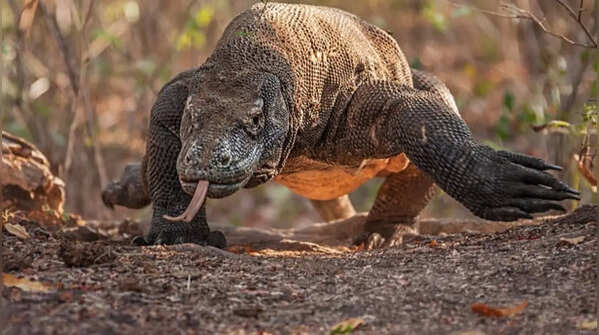
Komodo dragons still possess certain ancient reptilian characteristics
Being one of the largest lizards on Earth, the Komodo dragon represents the most vivid example of reptilian power that has managed to survive millions of years. Living on the Indonesian islands, the Komodo dragon is distinguished by its impressive size and hunting behavior with venomous saliva and deadly teeth. This lizard demonstrates how reptilian survival features were efficient enough to stay with the species for millions of years.
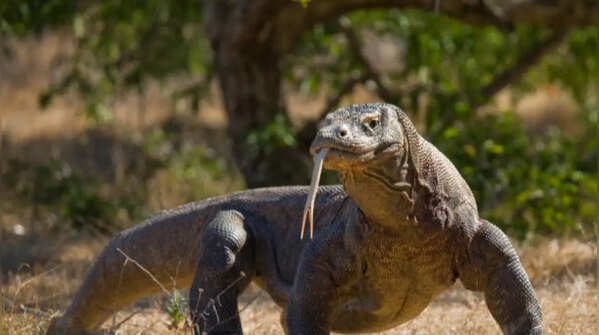
Evolution explains amazing similarities between animals
Through studying the DNA, skeletons, and other features of reptiles, scientists aim to understand their evolution from the common ancestor and the way they managed to adapt throughout the process. Even though there seems to be no evolutionary connection between house lizards, crocodiles, and dinosaurs, the reality is that evolution plays a significant role in explaining the biodiversity of animals.
Featured In etimes

