
- News
- etimes
- animals-pets
- Common snakes found in Japan: Species, habitats, and which ones are dangerous
Common snakes found in Japan: Species, habitats, and which ones are dangerous
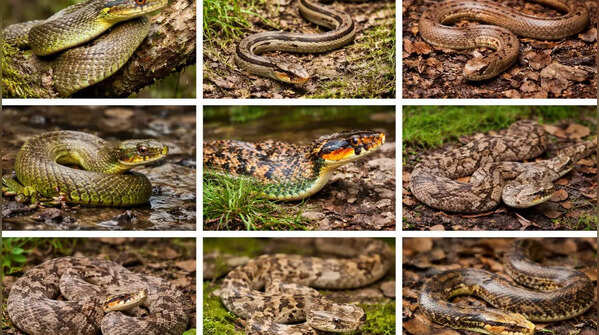
Common snakes found in Japan: Species, habitats, and which ones are dangerous
There is a surprisingly wide variety of snakes in Japan, with over 40 species in total that inhabit the country’s many islands. Most of these snakes are non-venomous and beneficial to the environment because they help control pests; however, there are some species of snakes that do pose potential danger. These include venomous varieties found in specific regions, requiring awareness among residents and visitors to avoid accidental encounters and ensure safety.
These snakes can be encountered in places such as forests, mountains, marshes, and even around human settlements. It is important to learn about their behaviour, habits, and dangers so that people can avoid problems. Being well-informed about local snake species ensures safer interactions while exploring Japan’s beautiful natural landscapes. Proactive education regarding these reptiles fosters greater awareness, allowing for peaceful coexistence within Japan's diverse ecosystems. Respecting wildlife and maintaining a safe distance is key to preventing unnecessary harm to both humans and snakes. Identifying specific regional variants is crucial for public safety while preserving the ecological balance of Japan’s wilderness.
PC: AI-Generated
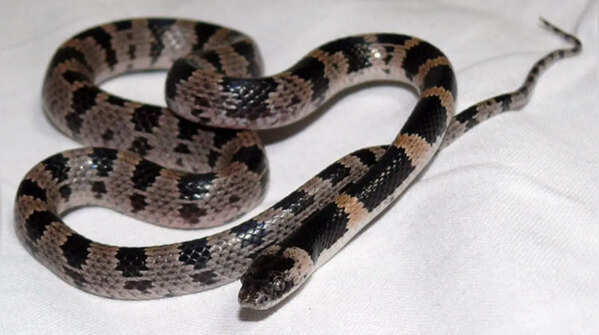
Ryukyu odd-tooth snake
The Ryukyu Odd Tooth Snake is a non-venomous and nocturnal snake species that lives in the Ryukyu Islands. The species has a thin body structure feeding on small animals, including lizards and rodents, playing a quiet yet important role in controlling prey populations within its habitat. The species is not often encountered because of its reclusive nature. The snake does not pose any harm to humans and helps maintain the balance of its ecosystem.
PC: Wikipedia
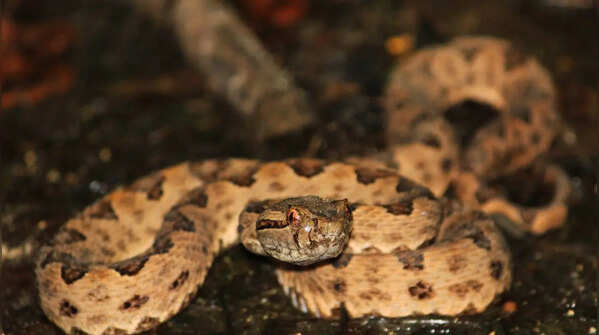
Habu
Habu is a very venomous type of snake that exists primarily on the island of Okinawa. It is very big in size, and it is famous for its quick and powerful attack. This snake normally moves around at night in search of food, and it may venture into homes to hunt.
PC: Wikipedia
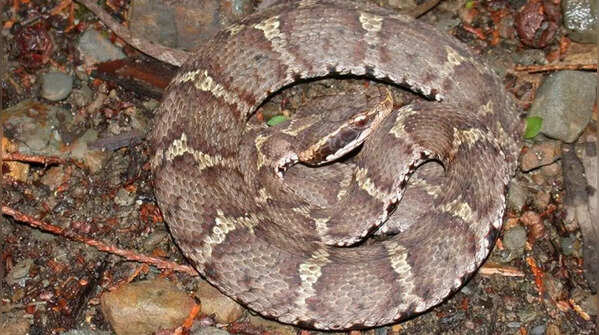
Mamushi
Mamushi is the most deadly snake in Japan. It is a poisonous species that inhabits the forest, grassland, and water bodies. The snake has very good camouflage abilities; thus, it is hard to see. Mamushi accounts for the majority of cases of snake bites in the country. It is not an aggressive animal, but it attacks when threatened.
PC: Wikipedia
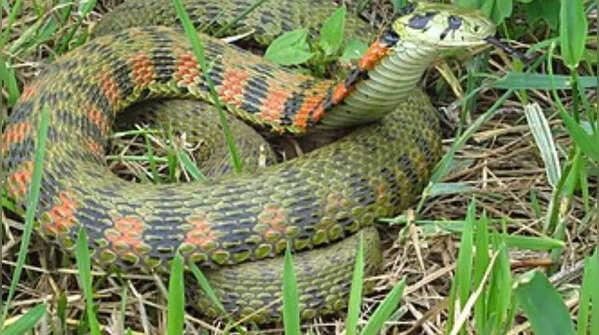
Yamakagashi
The Yamakagashi or tiger keelback is an extremely venomous snake that inhabits areas close to ponds, rice paddies, and swamps. The unique appearance of this species involves orange or red spots on its body. Despite being usually docile, it poses a significant threat when irritated and may cause severe poisoning in humans. Its diet includes frogs and other small creatures.
PC: Wikipedia
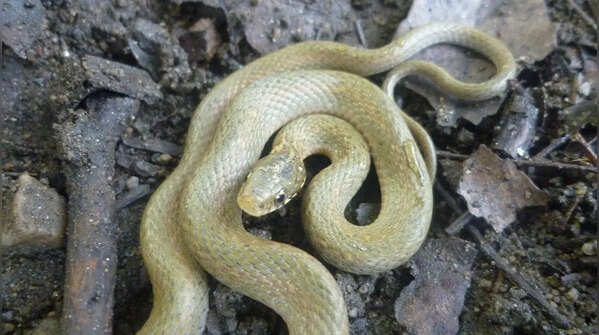
Japanese keelback
Japanese keelback is a small, non-venomous species of snake that can be found near water streams and ponds or in mountain areas. It is a slender snake that is usually not more than one meter in length. The diet of Japanese keelbacks primarily consists of amphibians such as frogs and tadpoles as well as insects.
PC: Wikipedia
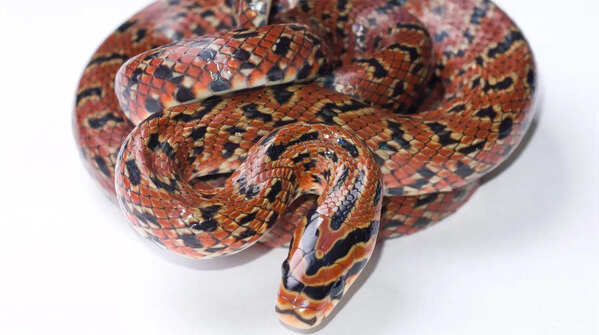
Jimguri
The Jimguri is a burrowing non-venomous snake species. Its colour ranges from light brown to reddish-brown with faint stripes, making it camouflaged against the ground in the forest. The Jimguri snake is crepuscular; its activity peaks in early mornings and late evenings. The snake spends most of its life hiding underground, feeding on small animals.
PC: Wikipedia
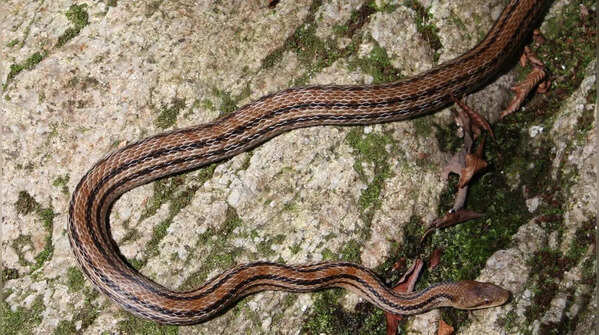
Japanese striped snake
The Japanese-striped snake can be easily identified because of its four dark stripes running down the length of its body. The Japanese-striped snake is a harmless snake that feeds on other small animals such as frogs and insects. The snakes prefer to inhabit places like open grasslands and fields. They have also been spotted in rural areas. It is generally shy in nature and avoids human contact whenever possible, often staying hidden in vegetation during daytime hours.
PC: Wikipedia
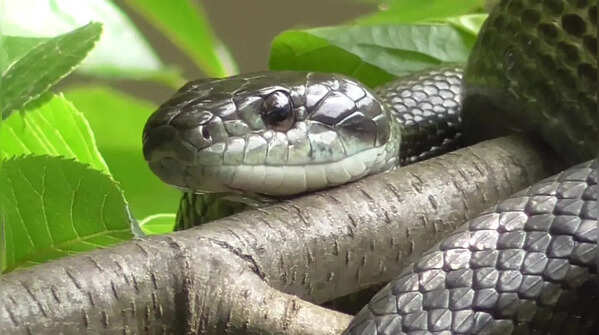
Japanese rat snake
The Japanese Rat Snake is among the most common species of snakes in Japan. It is a non-venomous species that can reach a length of up to 2 meters. They occur in forests, agricultural lands, and even within towns. This species of snake is a very good climber and may frequently be found on trees or even roofs. It is also known for its shy behaviour, feeding mainly on rodents and helping maintain natural ecological balance in human-influenced environments.
PC: Wikipedia
Featured In etimes

