
- News
- etimes
- animals-pets
- Bengal to Bombay: 5 cats that could almost pass off as mini tigers, leopards and panthers
Bengal to Bombay: 5 cats that could almost pass off as mini tigers, leopards and panthers
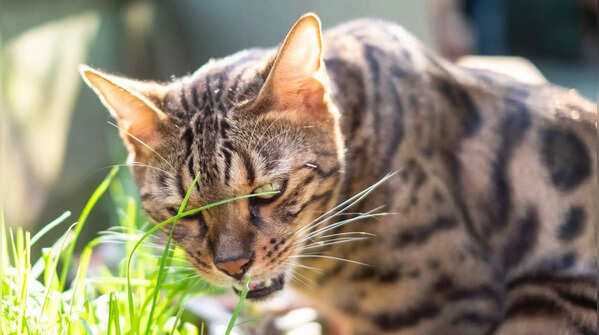
5 cats that could almost pass off as mini tigers, leopards and panthers
Some cats stand out not just for being cute but for having features that feel closer to wild felines. It could be their coat patterns, sharp facial structure, or the way they move – certain traits instantly remind you of animals like leopards or panthers.
These similarities aren’t accidental. Many of these patterns and physical features are naturally seen in wild cats and have been carried over in different ways.
Here are five cats that show that resemblance more clearly than most.
Images: Canva (for representative purposes only)
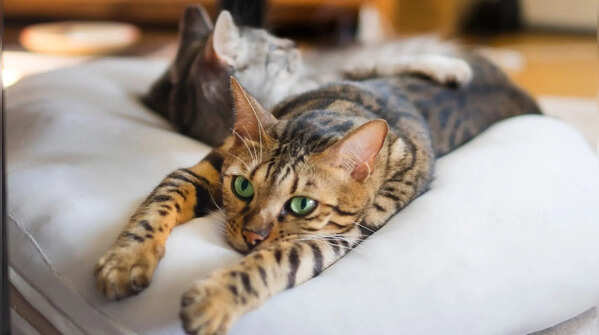
Bengal
The Bengal doesn’t try too hard – and that’s exactly why it stands out.
Those bold rosettes on its coat? That’s straight-up leopard territory. The contrast, the spacing, even the way the patterns flow – it all feels very “wild,” not designed.
Then there’s the body. Sleek, muscular, always a little alert. Even when it’s doing absolutely nothing, it somehow looks like it’s paying attention to everything.
It’s the kind of cat that doesn’t blend into the background. It owns the space.
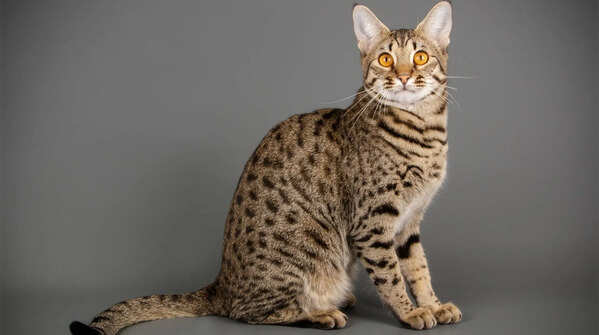
Savannah
The first thing you notice about a Savannah is its build.
Long legs, tall frame, large ears – it instantly reminds you of wild cats you’d see in open grasslands. There’s a strong resemblance to the serval, especially in the way the spots sit on its coat.
But more than the spots, it’s the posture that stands out.
There’s something very upright and aware about the Savannah. Even when it’s still, it doesn’t feel still. It feels like it’s observing, calculating, just taking everything in.
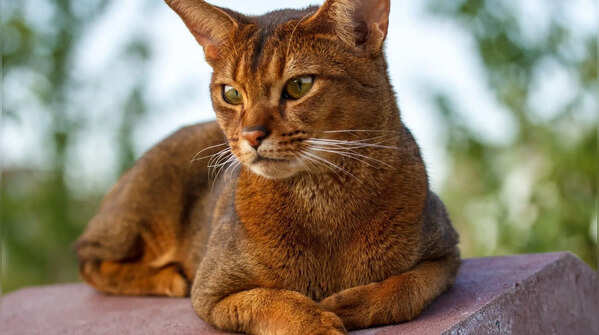
Abyssinian
At first glance, the Abyssinian might not scream “wild.” No bold spots, no dramatic stripes.
But look a little longer.
Its coat has this soft, sandy tone with a ticked pattern – each strand of fur carrying bands of colour. It’s the kind of texture you see in wild cats that live in dry, open landscapes.
Then there’s the face – sharp, alert, always curious. Big ears, expressive eyes, lean body.
It doesn’t shout for attention. But once you notice it, you can’t unsee the resemblance.
Bombay
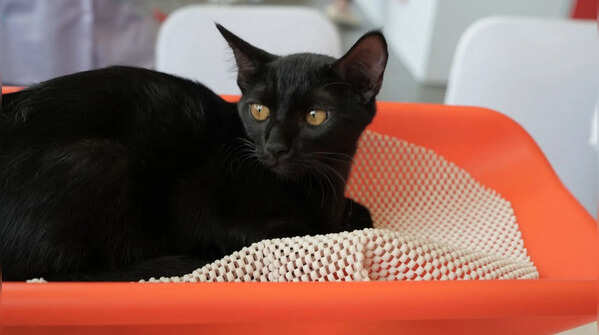
The Bombay is all about presence.
Jet black coat. No patterns, no distractions – just a smooth, glossy finish that almost reflects light. And then those copper or golden eyes that just… stand out.
If you’ve ever seen a black panther in pictures, you’ll get the vibe instantly.
There’s something very calm but intense about the Bombay. It doesn’t need patterns to look wild. The simplicity does the job.
Egyptian Mau
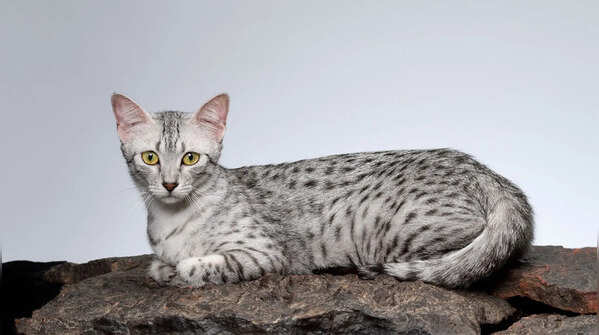
The Egyptian Mau has one big advantage – its spots are natural.
They’re not uniform or overly perfect, and that’s exactly what makes them look real. The pattern feels organic, almost like something you’d see on a wild cat in the jungle.
Add to that its bright green eyes and smooth, quick movements, and the whole look comes together without trying too hard.
There’s a certain ease to it. Nothing looks forced – and that’s what makes it convincing.
So why do these cats feel so different?
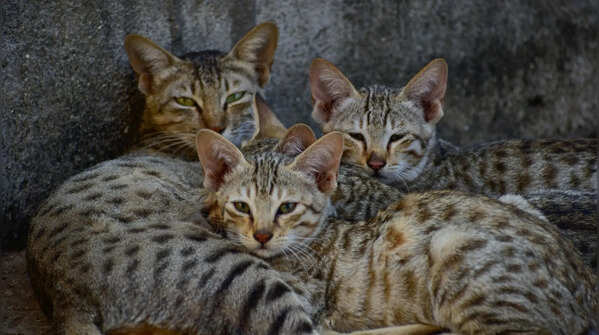
It really comes down to patterns and presence.
Stripes, spots, earthy tones – these are all things that exist in the wild for a reason. Camouflage, survival, movement. When you see those same elements on a cat in a regular setting, it creates that contrast.
Familiar, but not quite.
Featured In etimes

