- News
- entertainment
- hindi
- music
- ‘Royalties are not perks; they are the foundation of a creator’s livelihood’
Trending
‘Royalties are not perks; they are the foundation of a creator’s livelihood’

India emerges as one of the world’s fastest-growing music markets, but creators warn that the boom will remain incomplete unless fair royalty compliance becomes the norm.
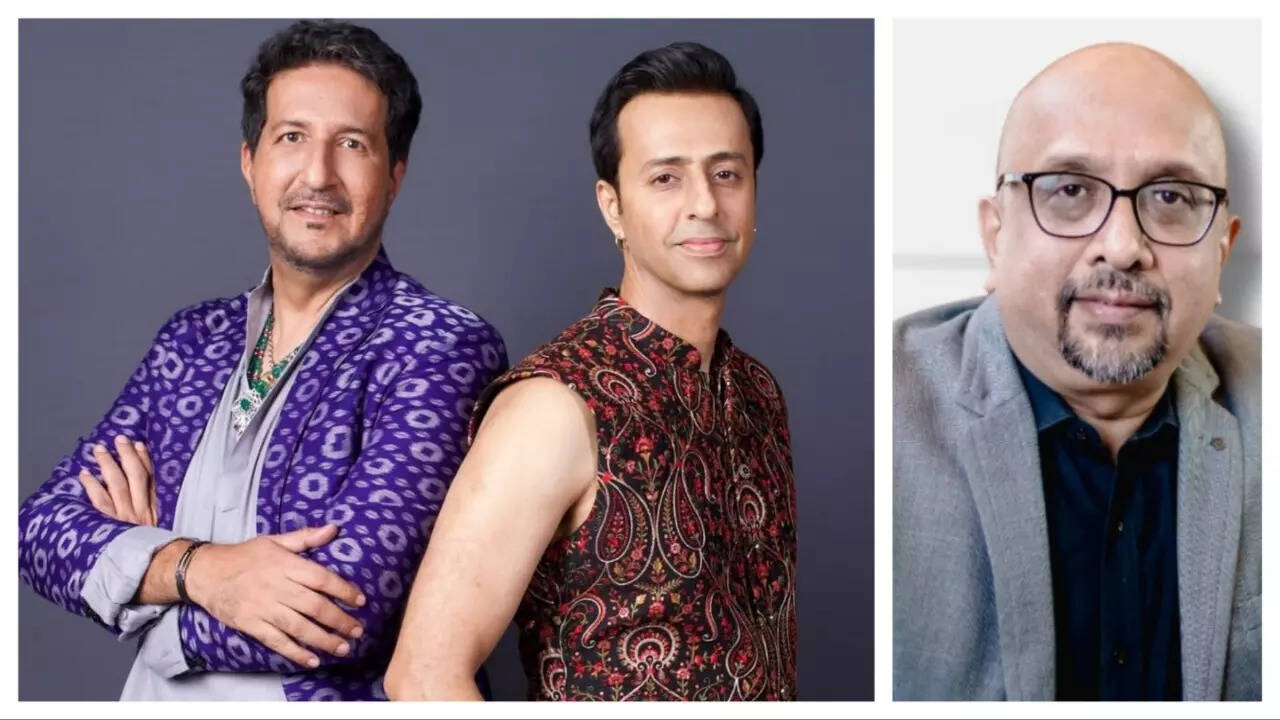
(L-R) Salim and Sulaiman Merchant and Rakesh Nigam
Get an chance to win ₹5000 Amazon Voucher by taking part in India's Biggest Habit Index! Take the survey here
Get the latest lifestyle updates on Times of India, along with Merry Christmas wishes, messages and quotes !

About the AuthorDebarati S Sen
End of Article
Follow Us On Social Media
Tired of too many ads?go ad free now
entertainment videos
Featured In Movies
Tired of too many ads?go ad free now



Hot on the Web
Merry Christmas MessagesMario SalcedoMerry Christmas GreetingsEleanor RooseveltHair Wash Ancient RulesBenjamin FranklinLeo TolstoyBarkha BishtMerry Christmas WishesR MadhavanHindi Spoken CountriesChristmas 2025MumtazBha. Bha. Ba. CollectionChristmas GreetingsAvatar Box Office CollectionKis Kisko Pyaar Karoon 2 CollectionMerry Christmas Wishes 2025Charles DickensYoga AsanasFunny Animals PhotosDhurandhar Movie CollectionThe Devil CollectionAkhanda 2 Full Movie CollectionVyjayanthimalaGeorge WashingtonTere Ishk Mein CollectionDhurandhar Movie ReviewJ K RowlingAkhanda 2 Movie ReviewPulchritude WordAncient EgyptRice Bran Vs Sunflower OilWinter Solstice 2025Horn Ok PleaseElon Musk Net WorthMark Zuckerberg LessonsShimla TravelsMagnesium Deficiency SymptomsOptical illusionOzempic
Trending Topics
Latest MoviesBollywood MoviesHollywood MoviesTamil Movies 2025Telugu Movies 2025Malayalam Movies 2025Kannada Movies 2025Marathi Movies 2025Bengali Movies 2025Top Rated Movies 2025Best Hindi MoviesBest English MoviesBest Telugu MoviesBest Tamil MoviesBest Malayalam MoviesBest Kannada MoviesBest Bengali MoviesUpcoming Hindi MoviesBest Movies Of All TimeBest Hindi Movies of All TimeLatest English MoviesLatest Malayalam MoviesEnglish TV NewsTamil TV NewsTelugu TV NewsMalayalam TV NewsKannada TV NewsMovie ReviewsBhojpuri Cinema NewsGujarati Cinema News
Popular Categories
Viral NewsK Pop NewsWeb Series NewsAnime NewsUpcoming English MoviesUpcoming Tamil MoviesUpcoming Telugu MoviesUpcoming Malayalam MoviesUpcoming Kannada MoviesFashion TipsTravel NewsEntertainment NewsBollywood NewsTollywood NewsKollywood NewsMollywood NewsFood NewsLatest Hindi MoviesLatest Tamil MoviesParenting TipsHome RemediesWeight LossBeauty TipsParenting TipsHindi VideosHindi Video SongsBhojpuri Music VideosLatest Telugu MoviesBhojpuri Music VideoHindi TV News
Latest News
Who was Masashi “Jumbo” Ozaki? The legendary Japanese golf star and hall of famer, who died at 78Bryce Harper net worth in 2025: Assets, salary, endorsements, and how he Built a $100 Million empireTrey Yesavage's net worth in 2025: Career earnings, salary, contracts and moreHow a failing grade on a student’s Bible-citing gender essay led to an instructor’s removal at the University of OklahomaGemini Daily Horoscope Tomorrow, December 25, 2025: A quiet message from fate arrives todayHow to watch NFL games on Christmas Day: Full schedule and viewing guideNYT Connections today’s hints and answers (#927) for 24 December 2025‘Royalties are not perks; they are the foundation of a creator’s livelihood’Visa-free travel between Oman and Turkiye: Everything you need to know5 reasons digestion worsens in the winter and slows your gut downLaughter Chefs season 3: Bharti Singh family visits the show for her godh bharai; Rahul Vaidya also makes a comebackMoon Phase Today (December 25, 2025): Daily Affirmations and Manifestation Guide and For All Zodiac SignsITR filing: Received ‘nudge’ from Income Tax Department for tax return & refund claims? Here’s what you need to doMore competition for IndiGo, Air India: Shankh Air expected to begin operations in 2026; 2 new carriers get NOCsChristmas WhatsApp Scam: How to spot gift link fraud and safeguard yourselfKarnataka plans licence system for tourist guidesSeason of sparkle at Season of sparkle at merry markets in the cityNEET UG 2026 syllabus released at nmc.org.in: Check official PDF released by NMC, subject wise details