
- News
- entertainment
- hindi
- music
- Rishab Rikhiram Sharma: The moment you build a community, it stops being just a concert
Trending
Rishab Rikhiram Sharma: The moment you build a community, it stops being just a concert

Rishab Rikhiram Sharma
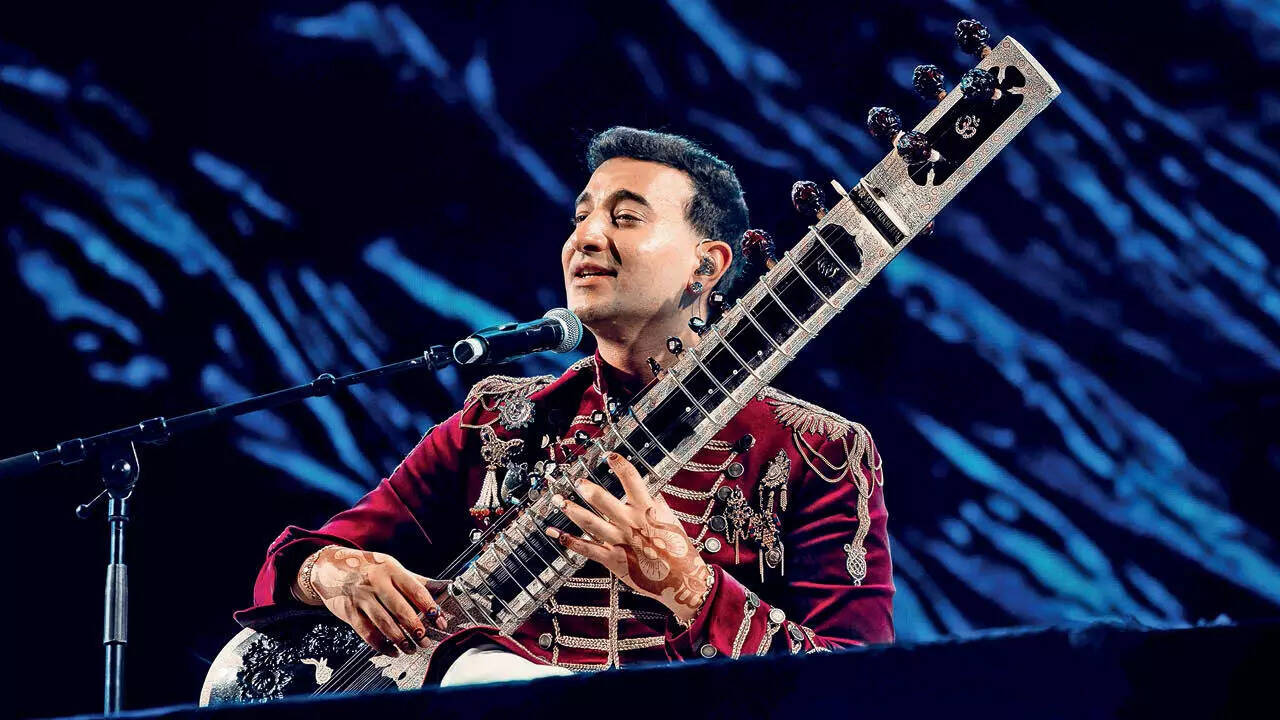
When it comes to classical music, Rishab says familiarity is often the doorway
Get the latest entertainment updates from the Times of India, along with the latest Hindi movies, upcoming Hindi movies in 2026 , and Telugu movies.”
End of Article
Follow Us On Social Media
Tired of too many ads?go ad free now
entertainment videos
Featured In Movies
![Article image for: 'Dhurandhar: The Revenge' box office collection day 4 [LIVE]: ChasesRs 400 crore net](https://static.toiimg.com/photo/83033472.cms)
Tired of too many ads?go ad free now




Hot on the Web
Dhurandhar 2 ReviewR MadhavanEidDhurandhar 2 Box Office CollectionRanveer Singh PropertiesDhurandhar 2 ReviewRajpal YadavShobhaa DeDhurandhar 2 OTTUstaad Bhagat Singh CollectionChuck Norris DeathNota FatehiAditya DharDhurandhar 2Dhurandhar2 CollectionEid ul Fitr 2026 Hindi ShayariPanchayat Season 5Eid 2026 DateVenus Enters AriesBaby NamesMovierulzDanish IqbalYouth Box Offiec CollectionAadu 3 Box Office CollectionAamir KhanEid-Ul-Fitr 2026 MessagesAishwarya Rai Parenting LessonsHoroscope TodayNavratri Nine ColoursEid 2026 Moon Sighting TimingsToday Gold Rate in ChennaiDelhi Weather TodayDelhi AQI TodayMumbai AQI TodayMaharashtra Public Holidays 2026Aravind SrinivasJensen HuangFastag PaymentSam AltmanWorld Largest Network BotnetsSkoda Kushaq Facelift
Trending Topics
Latest MoviesBollywood MoviesHollywood MoviesTamil Movies 2026Telugu Movies 2026Malayalam Movies 2026Kannada MoviesMarathi MoviesBengali Movies 2026Top Rated Movies 2026Best Hindi MoviesBest English MoviesBest Telugu MoviesBest Tamil MoviesBest Malayalam MoviesBest Kannada MoviesBest Bengali MoviesUpcoming Hindi MoviesBest Movies Of All TimeBest Hindi Movies of All TimeLatest English MoviesLatest Malayalam MoviesEnglish TV NewsTamil TV NewsTelugu TV NewsMalayalam TV NewsKannada TV NewsMovie ReviewsBhojpuri Cinema NewsGujarati Cinema News
Popular Categories
Viral NewsK Pop NewsWeb Series NewsAnime NewsUpcoming English MoviesUpcoming Tamil MoviesUpcoming Telugu MoviesUpcoming Malayalam MoviesUpcoming Kannada MoviesFashion TipsTravel NewsEntertainment NewsBollywood NewsTollywood NewsKollywood NewsMollywood NewsFood NewsLatest Hindi MoviesLatest Tamil MoviesParenting TipsHome RemediesWeight LossBeauty TipsParenting TipsHindi VideosHindi Video SongsBhojpuri Music VideosLatest Telugu MoviesBhojpuri Music VideoHindi TV News
Latest News
Parida bags national gold, sets sights on Para Asian GamesPuducherry polls: BJP names another candidate for Karaikal South - check full listMiddle East flight alert: IndiGo updates UAE routes; Air Arabia, flydubai issue travel advisory'Nayakan' re-release: Lijo Jose Pellissery and Indrajith Sukumaran's film to return in 4K version'Unlike individual events, playing for country more motivating, meaningful': Manika BatraBigg Boss 19’s Nagma Mirajkar celebrates Eid without Awez Darbar amid breakup rumours; fans reactTamil Nadu polls: TVK chief T Velmurugan quits DMK alliance over seat-sharing row, rules out joining NDAJaishankar speaks to Iran FM on Eid, discusses West Asia conflictWeekly Health Horoscope Predictions, March 22 to March 28, 2026: Tips for wellness and balance based on each zodiac sign4 killed after motorcycle plunges off bridge in MP’s MandlaFrom Aries to Pisces: What the 12 Zodiac signs reveal about youUAE warns motorists against entering flooded valleys: Dh2,000 fine, 23 black points and 60-day vehicle impoundmentWhy is Dimona called ‘Little India’? Inside Israeli town hit by Iranian missilesAAI apprentice recruitment deadline ends today for 133 NR training posts across airportsKhelo India Tribal Games a stepping stone to Olympic dreams"Disgustingly unhygienic": Hyderabad samosa unit raided; reused oil and stale boiled eggs seized3 killed, 5 injured in Andhra Pradesh highway crash; bus gutted by fireDRI seizes prohibited walkie-talkies, e-waste worth Rs 9 crore at Navi Mumbai port; father-son duo arrested