- News
- entertainment
- events
- Santiniketan’s prelude turns the ‘City as a Museum’ into a living practice
Trending
Santiniketan’s prelude turns the ‘City as a Museum’ into a living practice
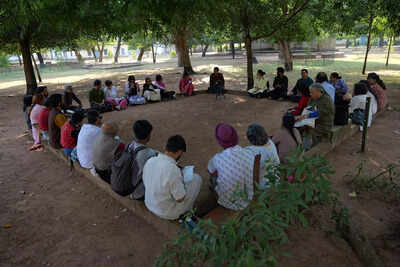
The Santiniketan prelude to The City as a Museum , held on November 28 and 29, unfolded less like an opening ceremony and more like an immersion. Across walks, conversations and trails, the two-day programme used Santiniketan’s lived rhythms to show how architecture, learning and community practice remain deeply interconnected here.
Santiniketan as a living museum
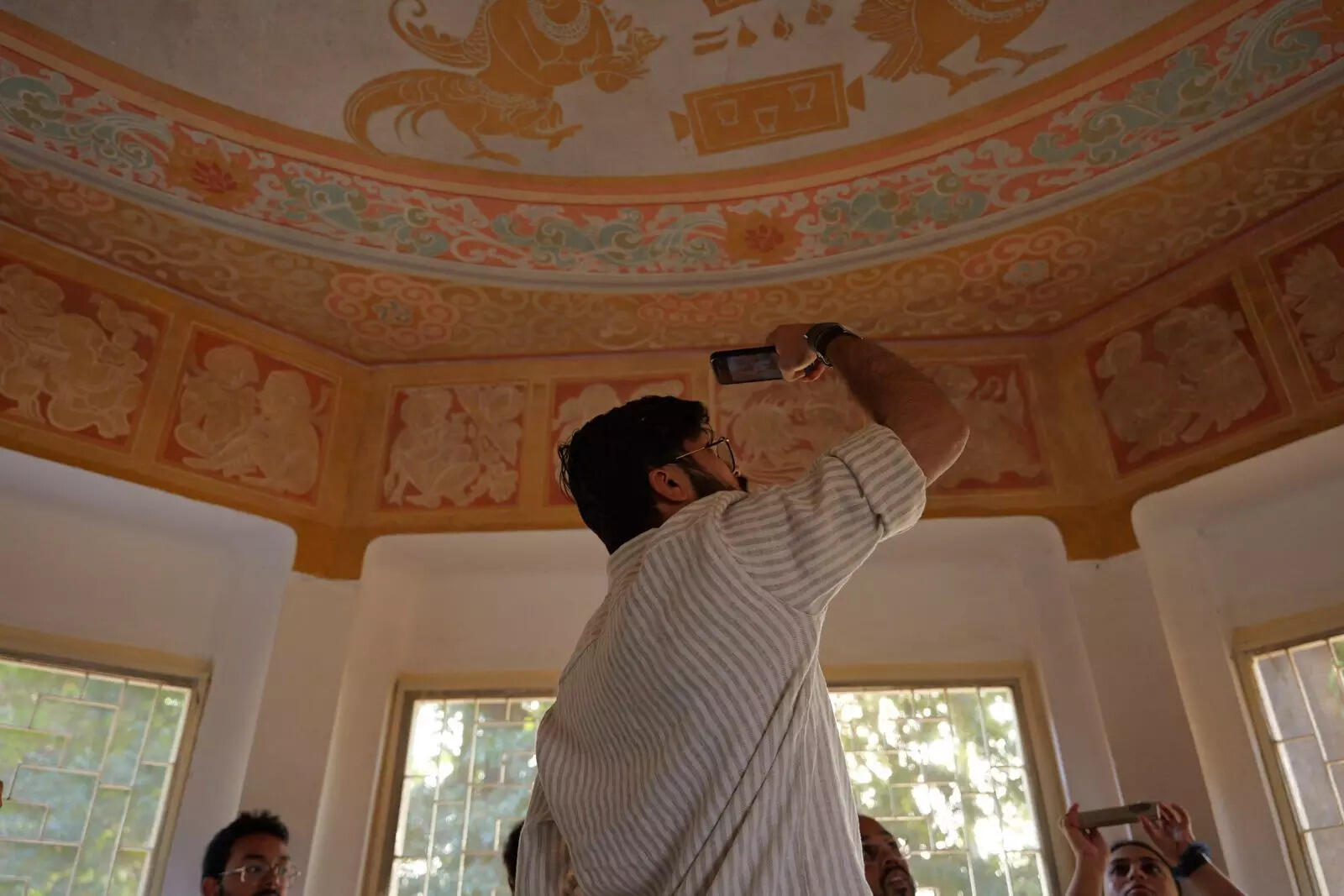
The Prelude reintroduced Santiniketan not as a heritage zone, but as a living museum where spaces, people and practice are inseparable. Through walks, sketching sessions, music and conversations, participants moved through Uttarayan, the Ashrama and Kala Bhavana , reading the campus as a place where Tagore’s ideas of art, nature and learning continue to guide how structures are designed and used. Architectural historian Saptarshi Sanyal and art historian Soumik Nandy Majumdar led a walk through the Udayan complex and Kala Bhavana, describing them as “experiments with modernity” - fluid forms, light-responsive surfaces, murals woven into daily routines, and a design language that treats the campus as a “nest”: rooted, permeable and always open.
Visitors rediscover the familiar
For many, the day felt like returning to a place they thought they already knew.
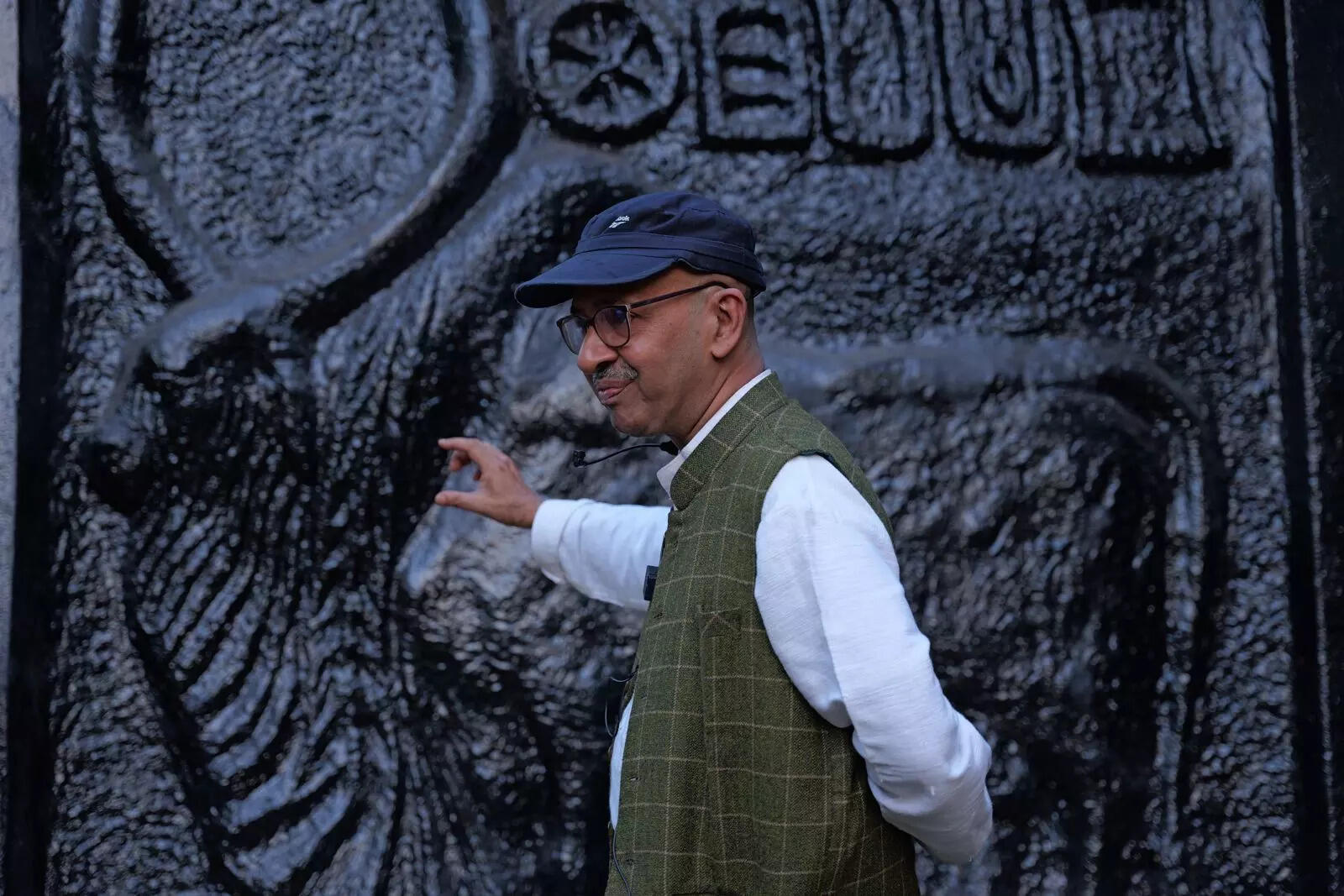
Management professional Kaveri Narang, back to Santiniketan after 35 years, called the experience “transformative.” “The walk finally revealed the impulses behind spaces I used to see as just buildings,” she said.She spoke of noticing how sun, mud, foliage and movement shaped structures like Konarak and Shamoli - and how art, from Nandalal Bose’s frescoes to Ramkinkar Baij’s sculpture of Gandhi, sits in the open as part of the landscape, not as museum pieces.
Educator Ishi Bhatia, a regular at previous editions, said the shift from Kolkata to Birbhum widened the frame: “It moved the festival from the idea of ‘city as epicentre’ to a broader map of modernity.”
Terracotta trails and everyday rhythms
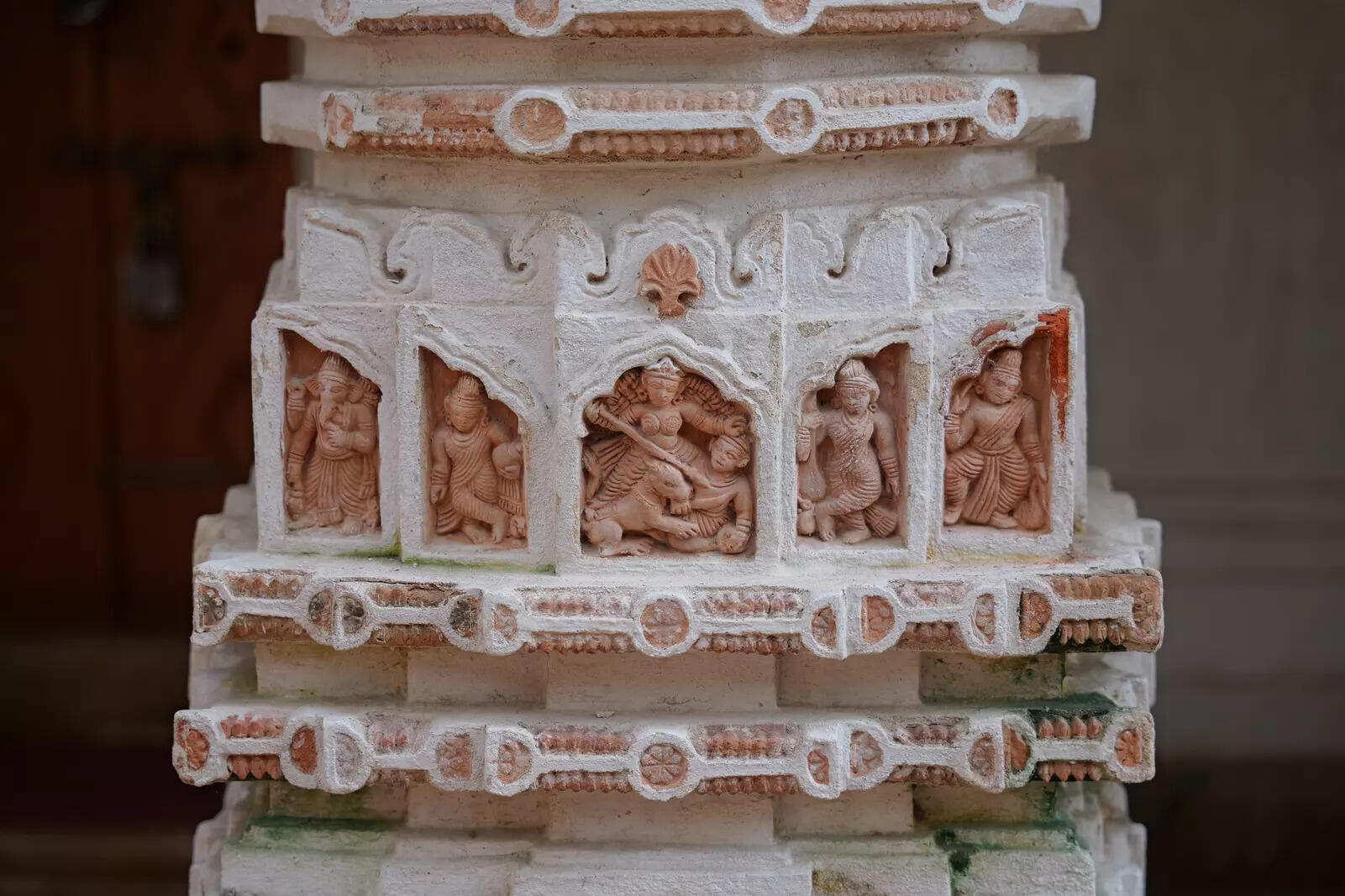
Away from campus, the “Pora Matir Khata” trail led by scholar-artist Bihan Das took participants to Surul, Ilambazar and Moukhira - temples seen not as postcard “heritage sites” but as community-kept spaces shaped by rituals, repairs and local memory. Das pointed out how Bengal’s heritage imagination often centres Kolkata, Murshidabad or Bishnupur, while small shrines continue through local stewardship. The group read these terracotta temples as “notebooks in baked earth,” carrying additions and repairs by generations who used them.
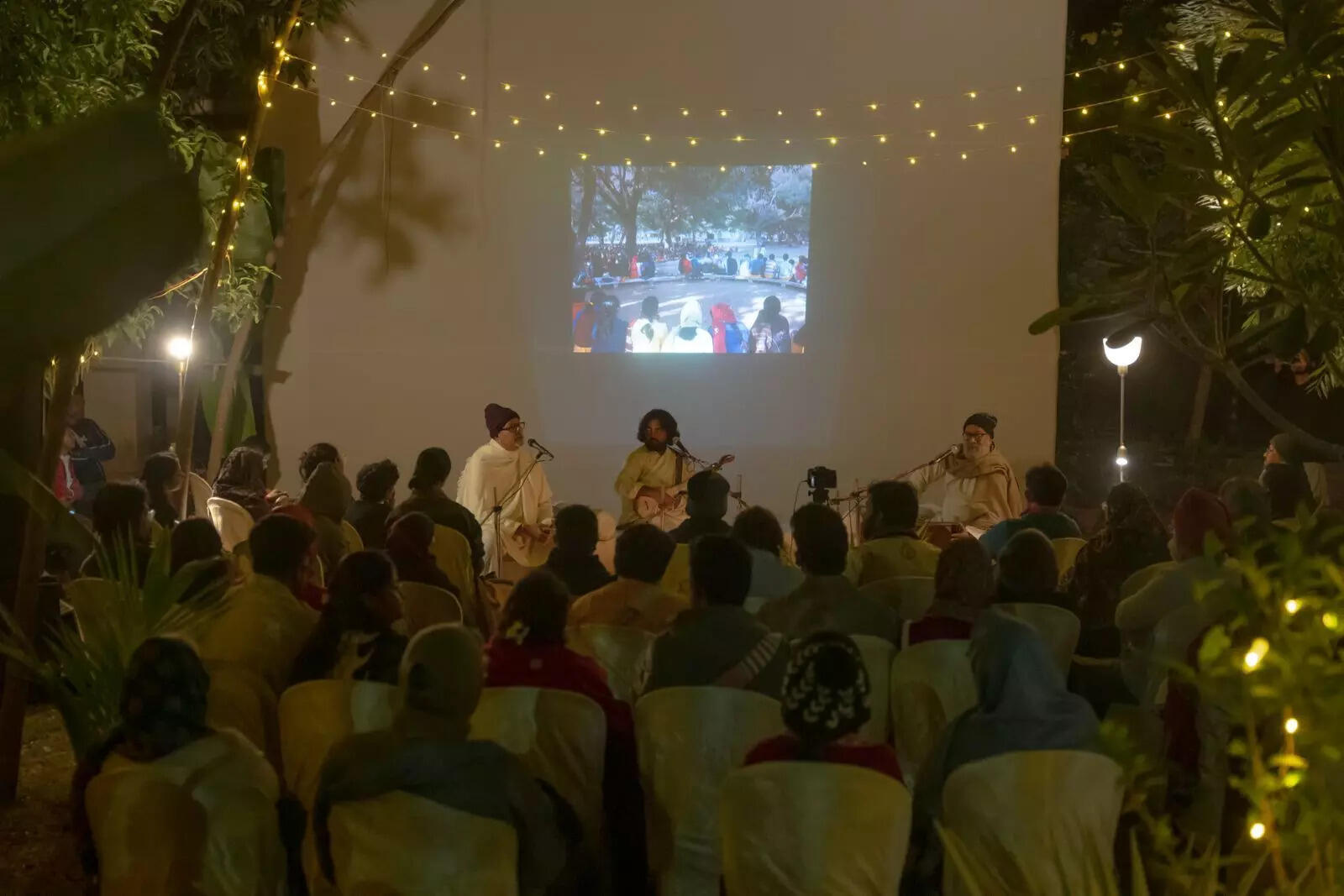
Back in the ashram precinct, the “Ashrom Prangoner Jibon Japoner Golpo” session, led by pedagogues Avik Ghosh, Partha Chakraborty and musician Amit Kumar Dey, opened up the sounds and textures of Santiniketan life — classes under trees, bells, seasonal rituals and everyday routines that give the place its quiet tempo.
Rethinking ‘City’ before Kolkata takes over
For both Bihan Das and Ishi Bhatia, the Santiniketan chapter mattered because it stretched what “City as a Museum” can hold - not just metros, but ashram towns, terracotta clusters, and campuses shaped by Pan-Asian ideas. Das emphasised that design and conservation conversations must treat local communities as co-authors - “A city-as-museum cannot just be a visual-art frame. It has to include people who keep these places alive.” Bhatia added that many of Bengal’s most important cultural experiments unfolded outside big cities, even though they rarely appear in mainstream cultural festivals.
End of Article
Follow Us On Social Media
Tired of too many ads?go ad free now
entertainment videos
Featured In Movies

Tired of too many ads?go ad free now



Hot on the Web
Happy New Year 2026 WishesNew Year WishesSriram RaghavanHappy New Year WishesNew Year QuotesOptical illusionDhurandhar Part 1 OTTAvengers Doomsday TrailerNew Year Greeting CardBenjamin FranklinNew Year MessagesSnake SpeciesEleanor RooseveltYami GautamAmitabh BachchanTu Meri Main Tera Main Tera Tu MeriBha. Bha. Ba. CollectionLatte vs CappuccinoAvatar Box Office CollectionPersonality TestMarlon BrandoAristotleMichael J FoxDhurandhar Movie CollectionAkhanda 2 Full Movie CollectionAkshaye KhannaPulchritudinous WordDhurandhar Movie ReviewHeart HealthAkhanda 2 Movie ReviewPulchritude WordAncient EgyptRice Bran Vs Sunflower OilWinter Solstice 2025Horn Ok PleaseElon Musk Net WorthMark Zuckerberg LessonsShimla TravelsMagnesium Deficiency SymptomsOptical illusionOzempic
Trending Topics
Latest MoviesBollywood MoviesHollywood MoviesTamil Movies 2025Telugu Movies 2025Malayalam Movies 2025Kannada Movies 2025Marathi Movies 2025Bengali Movies 2025Top Rated Movies 2025Best Hindi MoviesBest English MoviesBest Telugu MoviesBest Tamil MoviesBest Malayalam MoviesBest Kannada MoviesBest Bengali MoviesUpcoming Hindi MoviesBest Movies Of All TimeBest Hindi Movies of All TimeLatest English MoviesLatest Malayalam MoviesEnglish TV NewsTamil TV NewsTelugu TV NewsMalayalam TV NewsKannada TV NewsMovie ReviewsBhojpuri Cinema NewsGujarati Cinema News
Popular Categories
Viral NewsK Pop NewsWeb Series NewsAnime NewsUpcoming English MoviesUpcoming Tamil MoviesUpcoming Telugu MoviesUpcoming Malayalam MoviesUpcoming Kannada MoviesFashion TipsTravel NewsEntertainment NewsBollywood NewsTollywood NewsKollywood NewsMollywood NewsFood NewsLatest Hindi MoviesLatest Tamil MoviesParenting TipsHome RemediesWeight LossBeauty TipsParenting TipsHindi VideosHindi Video SongsBhojpuri Music VideosLatest Telugu MoviesBhojpuri Music VideoHindi TV News
Latest News
Who is DK Metcalf's fiancé Normani? Meet the famous singer who is a former member of the iconic girl group, Fifth HarmonyArsene Wenger net worth in 2025: Career earnings as Arsenal manager, FIFA role, investments, and moreZack Wheeler and Dominique Wheeler combined net worth in 2025: A closer look at the Philadelphia Phillies star's earnings, salary, family life and moreDespite being an A-List Hollywood actor, major accusation made against former six-time WWE ChampionCalgary Flames sign goaltender Devin Cooley to a 2-year NHL contract extension6 dips that will help you lose weight and taste deliciousAquarius Tarot Horoscope 2026: The Star will help you rise through hope, healing and spiritual visionWhich country’s children have the highest IQ and why?‘Splitsvilla 15’ winner Akriti Negi’s boyfriend Anshumat Srivastava breaks silence, defends her from trolls amid breakup rumorsBig Bash: Car breaks down, Perth Scorchers players push Uber to stadium – WatchOne country on Earth is already in 2026! Why this small country is always the first one on Earth to welcome the new yearLiterature, memory and music mark a winter gathering in cityDuke University cuts $299 million through buyouts and building closures amid US federal funding reductions'An anti-women state': BJP shares video of brutal assault on woman in West Bengal; slams Mamata Banerjee‘Carefully planned’: Russia shares video of alleged strike on Putin residence; watchAcid attacks, facial disfigurement, and the law: Why India needs anti-discrimination protections for survivors‘King’ actress Deepika Padukone travels to Las Vegas with friend to attend 'Backstreet Boys' concert: 'We did it, big one checked off our bucket list'When Raveena Tandon TAGGED Salman Khan as 'the best ever with kids; THIS 2010 picture of Bhaijaan with Rasha is proof