- News
- entertainment
- events
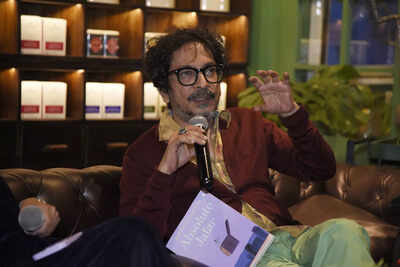
- Between Berlin, Karachi, and College Street: Sarnath Banerjee maps life in graphic lines
Between Berlin, Karachi, and College Street: Sarnath Banerjee maps life in graphic lines

Get the latest entertainment updates from the Times of India, along with the latest Hindi movies, upcoming Hindi movies in 2026 , and Telugu movies.”
End of Article
Follow Us On Social Media
Tired of too many ads?go ad free now
entertainment videos
Featured In Movies

Tired of too many ads?go ad free now

Hot on the Web
Catherine O'Hara Death NewsRanveer SinghWill SmithGandhi Talk ReviewBhagyashri BorseVaranasiMardaani 3 Box Office CollectionFlying UmbrellaJana NayaganDon RitchieInternational VisaDhurandhar OTT ReleaseRani MukerjiBorder 2 CollectionAnke Gowda StoryNelson DilipkumarBorder 2 Movie ReviewArijit SinghBrain CancerShyam PathakRobert BrowningNortheast DishesFebruary 2026 Horoscope PredictionsSeneca QuoteBhoot Police 2Purnima 2026Sunaina RoshanPadayappa 2Dhurandhar Movie ReviewChandra Grahan 2026William ShakespeareWorld Largest Late Roman HoardPink DolphinsTim CookQuote Of The Day By Richard FeynmanWorld Longest Road TunnelCrocodile RiverApple Products To Launch In 2026Sam Altman QuoteAsteroid 2024 YR4 May Hit MoonHawaiian Happyface Spider
Trending Topics
Latest MoviesBollywood MoviesHollywood MoviesTamil Movies 2026Telugu Movies 2026Malayalam Movies 2026Kannada MoviesMarathi MoviesBengali Movies 2026Top Rated Movies 2026Best Hindi MoviesBest English MoviesBest Telugu MoviesBest Tamil MoviesBest Malayalam MoviesBest Kannada MoviesBest Bengali MoviesUpcoming Hindi MoviesBest Movies Of All TimeBest Hindi Movies of All TimeLatest English MoviesLatest Malayalam MoviesEnglish TV NewsTamil TV NewsTelugu TV NewsMalayalam TV NewsKannada TV NewsMovie ReviewsBhojpuri Cinema NewsGujarati Cinema News
Popular Categories
Viral NewsK Pop NewsWeb Series NewsAnime NewsUpcoming English MoviesUpcoming Tamil MoviesUpcoming Telugu MoviesUpcoming Malayalam MoviesUpcoming Kannada MoviesFashion TipsTravel NewsEntertainment NewsBollywood NewsTollywood NewsKollywood NewsMollywood NewsFood NewsLatest Hindi MoviesLatest Tamil MoviesParenting TipsHome RemediesWeight LossBeauty TipsParenting TipsHindi VideosHindi Video SongsBhojpuri Music VideosLatest Telugu MoviesBhojpuri Music VideoHindi TV News
Latest News
Tanya Mittal reacts to Neelam Giri’s participation in ‘The 50’; says, ‘Main sirf wohi show dekhti hoon jisme main hoon’'Really looking forward': Shashi Tharoor excited for Sanju Samson's homecoming T20IJhanvi Kukreja murder on New Year's Eve: Accused Shree Jogdhankar convicted; co-accused Diya Padalkar acquittedPM Modi to visit Punjab on Feb 1, rename Adampur airport after Guru RavidasSubclass 500 visa denied in Australia? What Indian applicants need to know about the genuine student ruleBigg Boss Malayalam 7 runner-up Aneesh pens an emotional tribute to late businessman CJ RoyElon Musk’s vulnerable confession: "I cannot be happy without love"— And why it rings true even todayAdamya trailer launches at Bangla School amid industry people‘Criticism doesn’t matter much now’: Manu Bhaker not setting medal goals for Asian ChampionshipFrom welfare delivery to grievance redressal, digital governance redefines Uttar PradeshWhy Indian students are choosing Italy for higher education but leaving after graduationKiccha Sudeep completes 30 years in cinema: Actor feels full at heart and calls his journey 'bigger than imagined'Beijing stages ‘combat readiness’ patrols at Scarborough Shoal in disputed South China SeaFull meal for Rs 40? Here’s why people are flocking to singer Arijit Singh’s restaurantBomb threats received for Dera Ballan, 2 schools ahead of PM Narendra Modi's visit to Jalandhar'Not my day, but I gave everything': Jannik Sinner reacts after Novak Djokovic ends Australian Open run‘Maa, Maati, Manush unsafe in Bengal’: Amit Shah targets Mamata Banerjee at BJP meet, slams govt over Kolkata warehouse fireSaurabh Shukla has a UNIQUE response to AR Rahman's communal remark; says, 'I think I will go…'