
10 common roti-making mistakes and how to avoid them to make soft, fluffy chapatis
The quiet secret: moisture and timing
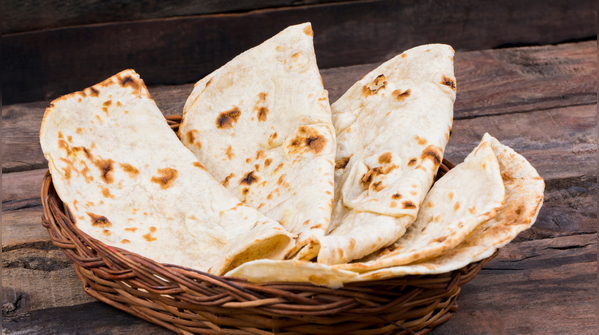
At heart, great rotis come down to two things: proper hydration in the dough and quick, confident cooking on a hot surface. When the dough is soft and rested, and the tawa is ready, puffing happens almost magically.
Master these small details, and roti-making stops feeling unpredictable. Instead, it becomes a calm, rhythmic ritual: just knead, rest, roll, and cook, ending every time with soft rounds of bread ready to soak up flavour, dal, sabzi, or a swipe of ghee.
10 common roti-making mistakes and how to avoid them to make soft, fluffy chapatis
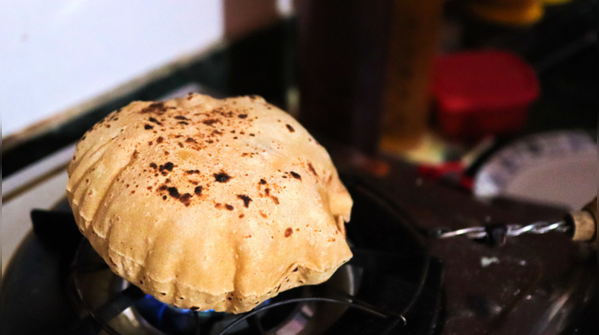
Few things feel as comforting or deceptively simple as a warm, puffed roti fresh off the tawa. With just flour, water, and heat, it seems like the most basic Indian staple. Yet anyone who cooks regularly knows that rotis can turn stubbornly hard, oddly chewy, or pale instead of speckled, or refuse to puff no matter how lovingly you coax them. Most of these problems don’t come from lack of skill. They come from tiny, easily overlooked mistakes in dough-making, resting, rolling, or cooking. Here are the most common roti-making errors and exactly how to fix them so every batch comes out soft, flexible, and beautifully cooked.
Using the wrong flour or old atta
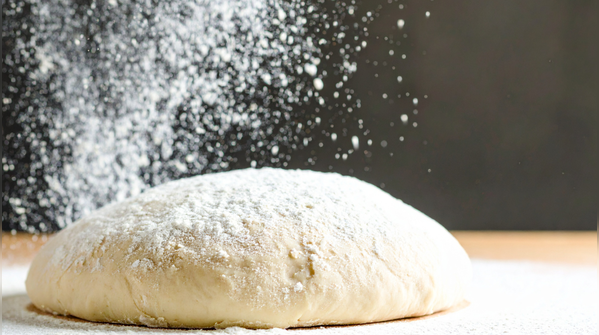
Not all wheat flour behaves the same. Good roti flour is finely milled whole wheat with moderate protein and fresh aroma. Old atta, or flour stored too long in warm kitchens, loses moisture and elasticity, leading to dry, cracking rotis.
How to avoid it:
Buy atta in quantities you’ll finish within a month or two. Store it in an airtight container away from heat and sunlight. If your flour smells stale or feels unusually coarse, it’s time to replace it.
Adding water all at once
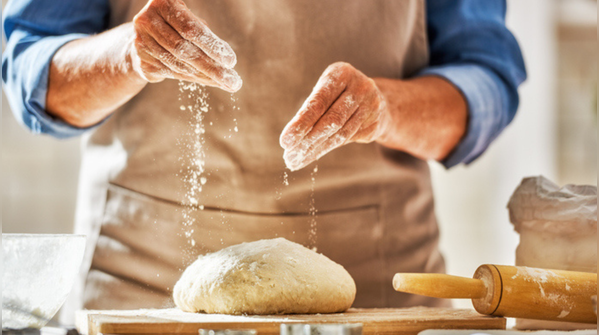
Dumping in water quickly often creates sticky patches in one place and dry flour in another, making kneading harder and encouraging over-flouring later.
How to avoid it:
Add water gradually, mixing with fingers as you go. The goal is a soft, slightly tacky dough, not wet, not crumbly. Different flours and seasons need different amounts of water, so trust texture more than measurements.
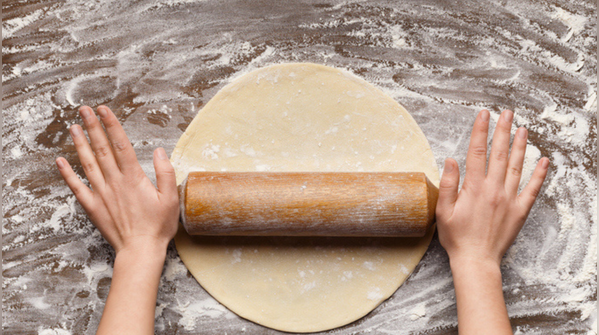
Kneading too little or too aggressively
Under-kneaded dough lacks gluten development, which makes rotis crack and tear. Over-kneading, especially with too much dry flour dusted in, can make them tough.
How to avoid it:
Knead for about 6-8 minutes until smooth and elastic. Press the dough with your thumb; if it springs back slowly, you’re there. Use only a light dusting of flour if needed.
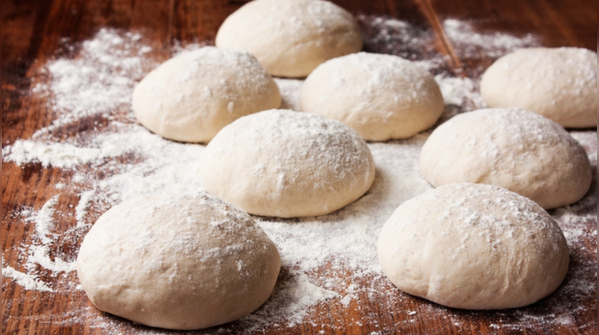
Skipping the resting time
This is one of the biggest culprits behind stubborn rotis. Resting allows the gluten to relax and moisture to spread evenly through the dough. Without it, rolling becomes difficult, and the final roti feels tight.
How to avoid it:
Cover the dough and let it rest for at least 20–30 minutes at room temperature. If you have more time, even better.
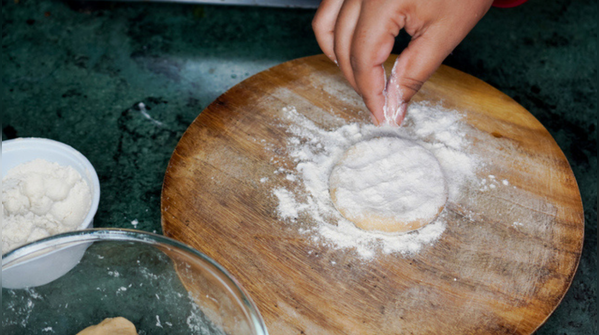
Making uneven dough balls
Lumpy or cracked peda (dough balls) roll unevenly, which means some parts cook faster than others.
How to avoid it:
Pinch off smooth, equal portions and roll them between your palms until round and crack-free. Flatten slightly before dipping in dry flour. Using too much dry flour while rolling Excess flour prevents proper contact with the hot tawa, leading to pale rotis that don’t puff. It can also burn on the pan and leave bitter specks. How to avoid it: Dust lightly, just enough to prevent sticking. Brush off extra flour before cooking.
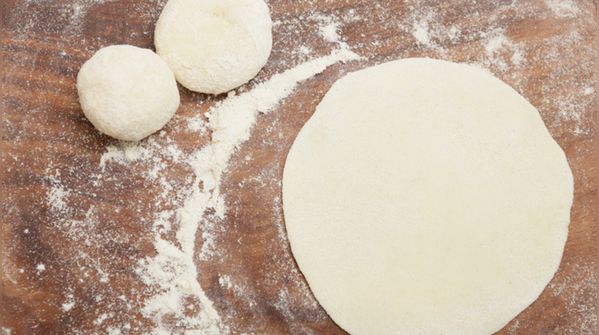
Rolling too thick or too thin
Thick rotis stay doughy inside; ultra-thin ones dry out quickly.
How to avoid it:
Aim for an even circle about 15–18 cm wide, thin but not translucent. Rotate the dough after every few strokes of the rolling pin to keep the thickness uniform.
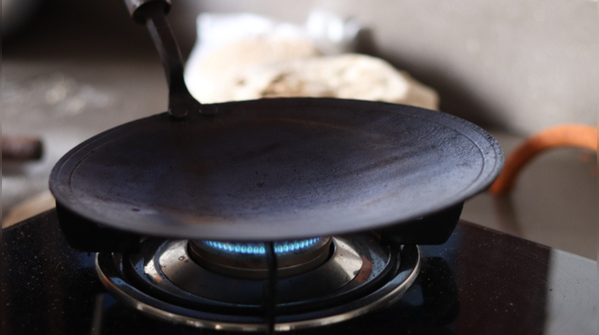
Cooking at the wrong temperature
A lukewarm tawa dries rotis slowly, turning them stiff. An overheated pan burns the surface before the inside cooks.
How to avoid it:
Heat the tawa on medium-high until a drop of water sizzles instantly and evaporates. Adjust as you go; steady heat is key.
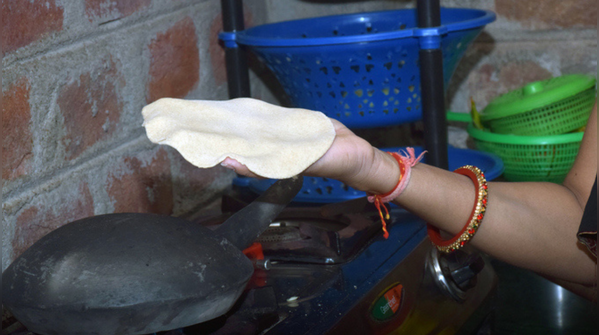
Flipping too often or too late
Constant flipping prevents proper steam buildup, while waiting too long can make rotis hard.
How to avoid it:
Let the first side cook until bubbles form and light brown spots appear, then flip. Cook the second side briefly, press gently with a cloth or spatula to encourage puffing, and flip once more if needed. A properly heated tawa is key here; too cool and the bread dries out, too hot and it burns before rising, so adjust the flame and work steadily for soft, evenly cooked rotis.
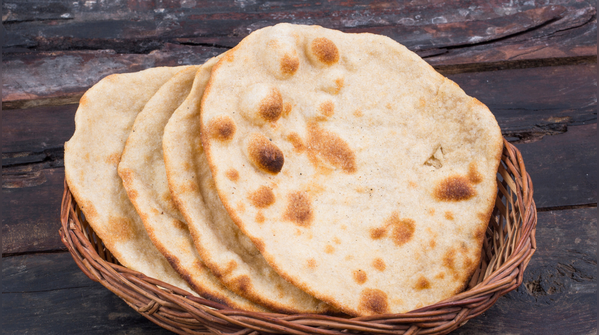
Leaving rotis uncovered after cooking
Even perfect rotis lose softness if left exposed to air.
How to avoid it:
Stack cooked rotis in a cloth-lined container or casserole with a lid. The trapped steam keeps them pliable until serving.
Featured In Food

MORE FROM ETIMES
life & style