- News
- How toys have quietly become part of space history
How toys have quietly become part of space history
An Indian astronaut Shubhanshu Shukla's son chose a soft white swan named Joy to accompany the Axiom-4 mission as a zero-gravity indicator. This tradition, started by Yuri Gagarin, involves toys demonstrating microgravity and acting as emotional anchors.
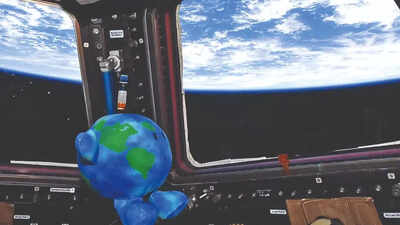
What Joy stands for
Joy, the baby swan aboard Axiom-4, isn’t just a zero-G indicator—it’s a symbol of cultural unity. Chosen to mark the transition into microgravity, Joy also reflects the joint spirit of ISRO, ESA, and Hungary’s Hunor programme. In India, the swan is revered as the vahana of Goddess Saraswati, symbolising wisdom and purity. In Poland, it stands for loyalty and resilience. In Hungary, it embodies grace and the beauty of nature. Through Joy, the Ax-4 crew quietly celebrates the cultural threads that connect their mission across borders.
The first space toys
Pop culture icons take flight
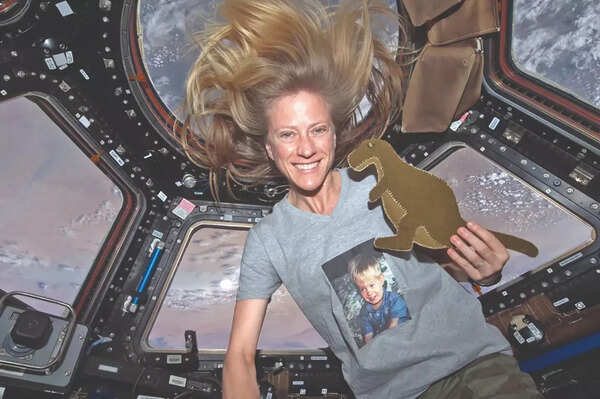
Handmade and family-selected keepsakes
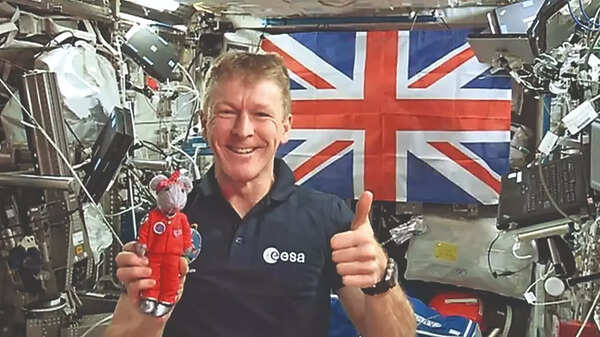
Why toys travel to space
End of Article
Follow Us On Social Media
Visual Stories








Photostories

Top Trending
Hot on the Web
Paresh RawalBetta FishShefali JariwalaHeart HealthLiver Disease SymptomsVitamin D DeficiencyKannappa Movie ReviewLargest CrocodilesColon Cancer SymptomsMaa Box Office CollectionAmitabh BachchanHeart Health MedicationsHeart HealthMaa Movie ReviewShweta TiwariSalman KhanHigh Uric AcidIsha KoppikarTop National ParksColourful BirdsKannappa ReviewBeetroot DishesKannappa Box Office CollectionKuberaa Box Office CollectionWorld Strongest PassportsAvika GorSitaare Zameen Par Box Office CollectionKumar VishwasBengaluru TravelWonders Of The WorldSouthern European DestinationsDemon SlayerHigh Blood Sugar In MorningBlack Mamba FightWorld Richest ManSimpson PredictionJeff Bezos SiblingsiOS 26Nikhil KamathStrongest Female Anime CharactersCastor Oil BenefitsAnand Mahindra
Trending Topics
Indian Origin CEOsNZ Direct Student VisaNIOS Class 10 ResultKEAM Application WindowR PraggnanandhaaSanjana GanesanChennai Super KingsVarun ChakaravarthyArshdeep SinghFAF Du PlessisKarnataka PUC ResultUPMSP Compartment Exam ScheduleOn Field Cricketer DiesTravis DeckerIdaho shootingCanada Day 2025Sarbina CarpenterWho is Alex FormentonConnor McdavidPakistani Couple Death NewsLawrence Bishnoi InterviewNavi Mumbai New Born FoundJagannath Puri StampedeCoimbatore Bus FireBengaluru MurderTelangana Factory BlastLucknow SuicideKolkata Rape CaseManojit MishraNavi Mumbai Techie NewsJeff BezosPassport SevaNYT Strands TodayWordle Today HintsNikhil KamathMasayoshi SonAI Chatbot Blackmail EngineerUS VisaElon MuskSam AltmanDeepinder GoyalIntel Layoffs
Popular Categories
HeadlinesSports NewsBusiness NewsIndia NewsWorld NewsBollywood NewsHealth+ TipsIndian TV ShowsTechnologyTravelEtimesHealth & FitnessNFLIntel The Learning CurveIndia vs EnglandAstrologyWeather TodayPlatinum Rate TodaySilver Rate TodayGold Rate TodayDelhi AQI TodayJune Bank HolidaysPublic Holidays in JuneStock Market HolidaysNSE HolidaysBSE HolidaysTechnology NewsInternational SportsPublic HolidaysBank Holidays
Latest News
UAE expands Golden Visa to attract top global talent in AI, climate and tech sectorNo longer a dream job: Why 75% of American graduates are walking away from Google, Meta and Big Tech ambitionsAre young adults facing an unseen epidemic of cataracts?Mimi Chakraborty clicks a candid with Kanchan & Sreemoyee’s daughter KrishviJeet’s London throwback sparks nostalgia and love from fansBonny Sengupta’s wild encounter wins hearts on InstagramTaylor Swift’s $11K Cartier diamond necklace might reveal something deeper about her relationship with Travis KelceHrithik Roshan & Jr NTR’s War 2 Secures 3-week exclusive IMAX run across India, matching Mission: Impossible – Final ReckoningSuper Smash Bros. pro Westballz slams Ludwig for “enabling” Mang0’s actions at Beerio Kart 2025KEAM 2025 application correction window opens at cee.kerala.gov.in: Here’s how to make changes onlineDirector Jyothi Krishna redesigned Bobby Deol's role in 'Hari Hara Veera Mallu' after being impressed by his 'Animal' performance“My Hero”: Subhashree’s proud post captures son Yuvaan in actionKoel Mallick’s colourful Sunday clicks light up InstagramDonald Trump wants Apple to make iPhones in the US like it is doing in India, but why it may not be possibleSomlata Acharyya Chowdhury’s two-wheeler moment sparks a thousand dreams5 lucrative part-time jobs in the US that can outpay a full-time salaryCan including ginger in the diet help in reducing LDL(bad) cholesterol?'Concerts are the litmus test for all the work we do behind studio doors'
Copyright © 2025 Bennett, Coleman & Co. Ltd. All rights reserved. For reprint rights: Times Syndication Service