
- News
- City News
- patna News
- Pitrapaksh Mela boosts economy of Gaya through diverse businesses
Trending

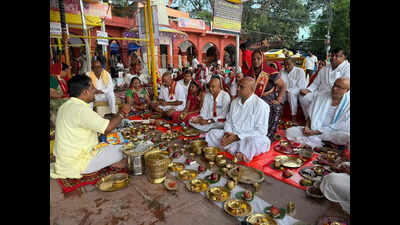
The annual Pitripaksh Mela in Gaya significantly boosts the local economy, benefiting various sectors from hospitality and transportation to photography and retail. While the Gayawal Pandas thrive on pilgrim offerings, changes in ritual practices, like fewer head shaves, have shifted economic gains towards other professions.
End of Article
Follow Us On Social Media









Photostories
Hot Picks
Top Trending
Explore Every Corner
Across The Globe
Asia Cup 2025 ScheduleIND vs UAE Live ScoreWho is Phillies KarenTaylor SwiftJJ McCarthyPhillies KarenGracie HuntConnor McDavidiPhone 17Detroit Tigers ExecutivesSaudi Pro LeagueWho is Na Dong HyunCiara SonNepal ProtestMatthew SchaeferAthletic BilbaoIndia US Trade DealNew GST ListPatrick MahomesPoland AirspaceMegan TheeKP Sharma OliFrance ProtestUS India TradeDonald TrumpNepal ViolenceNepal FMTyreek HillInfosys JobsBritish Horse Racing
Hot on the Web
Karishma KapoorBlocked Arteries SymptomsChia Seeds For HairSolar Eclipse 2025Blocked ArteriesSanjay DuttBlood Pressure GuidelinesIdeal WeightAnupam MittalMagnesium Rich FruitsVitamin DSunjay KapurVarun TejExercise For Brain CellsOvarian Cancer SymptomsProstate Cancer SymptomsSaiyaara OTT ReleaseNano Banana TrendsDipika KakarFruits For DigestionHeart Attack PreventionFatty Liver SymptomsRice Water for SkinHair Growth OilPersistent High CholesterolAloe Vera Ice CubesBeautiful Aquarium FishThe Bengal Files Box Office CollectionParam Sundari Box Office CollectionBaaghi 4 Box Office CollectionBrain Aneurysm SymptomsPink Guava Vs White GuavaSunita WilliamsYellow Toilet Stains RemoverPancreatic SymptomsOvarian Cancer SymptomsTips To Keep Chapatis SoftArthritis DietTrick To Improve SleepCross River GorillaIdeal Weight For Your Height
Trending Topics
Shreyas IyerShubman GillPCB ChairmanAsia Cup Today matchUS Open Prize MoneySBI Clerk Admit CardUS Student VisaH1B VisaSunil GavaskarArshdeep SinghSSC MTS RecruitmentIOCL Grade A RecruitmentSSC CHSL Tier 1 ExamRBI Grade B Officer RecruitmentNIACL AO Admit CardBCCIPrithvi ShawNIRF Ranking 2025BPSC TRE 4 NotificationNitin GadkariKathmandu AirportBengaluru Yellow Line MetroPune Movie Theatre AssaultDelhi Namo Bharat CorridorMumbai Airport NewsDelhi Bank Fraud Case RaidAbhishek BachchanEmirates IDSunjay Kapur Property DisputeDelhi Thar AccidentShailene WoodleyTop Richest AmericansApple iPhone 17 ProPrevent Ac BlastsSam AltmanLiver Cancer WarningiPhone 17 Vs iPhone 16Apple Watch Series 11Nano Banana AiElon MuskWordle TodayNyt Connections
Popular Categories
HeadlinesSports NewsBusiness NewsIndia NewsWorld NewsBollywood NewsHealth+ TipsIndian TV ShowsTechnologyTravelEtimesHealth & FitnessDelhi Gold Rate TodayNumerology Number 1 HoroscopeChinese Horoscope PredictionsAstrologyWeather TodayPlatinum Rate TodaySilver Rate TodayGold Rate TodayIs Bank open todayIs Bank Open TomorrowBank Holidays in SeptemberPublic Holidays in SeptemberStock Market HolidaysNFL ScheduleTechnology NewsInternational SportsPublic HolidaysBank Holidays
Trending Videos
Israel VOWS To Defy Trump 'RED LINE'; 'Will Strike Again...' | Tel Aviv Unfazed After Qatar BacklashAnupam Kher Calls 'The Bengal Files' Shocking & Disturbing After Watching It in TheatreTerrifying! 'Smuggled' Russian UFO Docs Show 'UFOs Activated Russian Nukes Pointed At America'Karan Aujla teaches Bhangra to Jimmy Fallon in historic 'Tonight Show' debutActivist Amjad Ayub Mirza Slams PoJK PM, Pakistan Govt For Promoting TerrorismShilpa Shetty melts hearts—calls husband Raj 'Darling Cookie' on his 50th birthday'Jolly LLB 3' Trailer Brings Double Mayhem, Fans Share ExcitementAkshay Kumar’s 7 AM Birthday Bash: Cards, Karaoke & a 'Joker' by His SideAshneer Grover Slams Bollywood Stars: ‘Have Jigra, Don’t Demand Huge Fees Regardless of Film’s Fate''Anarchy Is Happening Because...': Bihar Dy CM Samrat Choudhary Blames Congress For Nepal UnrestRussia, China Warn Of Mideast Escalation, Slam Israeli Attack On Qatar After IDF Bombs Hamas In DohaFrance Protests Turn Violent, Nepal Jailbreak Chaos, Kullu Landslide Tragedy And MoreDhanashree Verma Hits Back at Aahana Kumra: ‘Work Comes Because Of My Talent, Not My Divorce’Cornered Karoline Leavitt GASPS As Reporters Rip Epstein ‘Hoax’ Narrative: ‘Victims Are Props’Fire & Fury In France: No ‘Honeymoon’ Period For New PM Lecornu; Fresh Violence Grips CitiesTrump’s Domestic Violence Comment Sparks Fury Across U.S.U.S. Launches Attack On Vessel In Caribbean; Coast Guard Seizes 13,000 Pounds Cocaine'Humiliating': South Korea To Fly Back Detained 400+ Workers Home After U.S. Raid On Hyundai Site
Latest News
Van driver killed over old dispute in Vaishali, 5 held'My blood was flowing and bones were visible' : Rinku Singh shares horrific storyAthletic Bilbao to challenge FIFA after Aymeric Laporte left in limbo due to Al-Nassr paperwork delay“Not exactly the words I was hoping to hear from #34,” Auston Matthews’ comments reignite concern fansPM to flag off four new trains on September 15Baby elephant born in Chhattisgarh's Katghora forest, herd strength rises to 67Life, trade suffer as uneasy calm prevails on India-Nepal border from Jogbani to KishanganjDetroit Tigers executives hit with disturbing misconduct allegations toward womenCampaigns against E20 fuel a handiwork of ‘petrol lobby and other interests’: GadkariBigg Boss Telugu 9 preview: Sreeja’s nomination ignites drama; Owners corner Tanuja?Maoist with Rs 8 lakh bounty killed in encounter in Bastar's KankerPatna University Hosts Lecture on Suicide Awareness and PreventionChiefs Style Lounge 2025 brings high-fashion runway glam to Arrowhead Stadium for fans'Pakistan captain can win smaller tournament like Asia Cup.': Suryakumar Yadav warned of 'banana peel''No inflation!': Donald Trump calls Jerome Powell a ‘total disaster’; pushes for urgent Fed rate cutJosh Giddey's net worth in 2025: Exploring salary, endorsements, cars, and more of $100 million Chicago Bulls starICRA raises GDP forecast to 6.5% again, says tax cuts to put Rs 3 lakh crore in the hands of consumersMiscreants damage Mahatma Gandhi statue in Kendrapada village school
Copyright © 2025 Bennett, Coleman & Co. Ltd. All rights reserved. For reprint rights: Times Syndication Service