
- News
- lifestyle
- home-garden
- 6 air-purifying plants perfect for small apartments
6 air-purifying plants perfect for small apartments
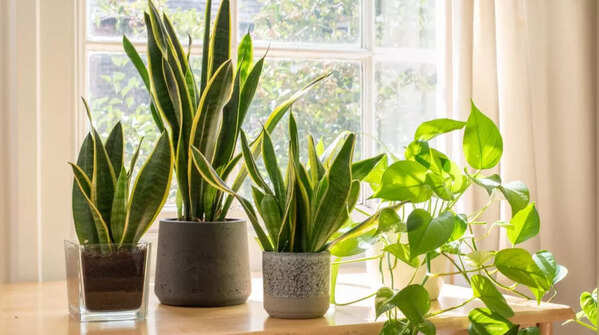
6 air-purifying plants perfect for small apartments
Got a tiny apartment but still dream of breathing cleaner air and adding a splash of green? Fear not, plant lovers on a space diet! On top of that, imagine tiny leafy superheroes battling invisible air-villains lurking in your snug apartment. Sounds magical, right?
Some houseplants act like natural air purifiers, quietly absorbing nasties and breathing out fresh oxygen. Ideal for small spaces, they’re not just useful – they’re charming, low-key companions that turn every corner greener and your air cleaner. These leafy superstars (more like sidekicks) quietly filter nasties like formaldehyde, benzene, and xylene leftovers from paint, cleaners, carpets, all the while boosting brightness, humidity, and even your mood. Think of them as your personal guardians of the jungle in a pot.
But here’s the kicker: you don’t need a jungle; a mini balcony is enough. Even a few well-chosen plants can freshen your mood, boost humidity, and charm your place into a healthier haven. From Peace Lily to Snake Plant, each fits snugly into small nooks. They’re low-fuss – easy to care for, dramatic in looks, and experts say they purify just enough to make your indoor air feel fresher and your space feel happier. Whether you’re a plant newbie or a leafy aficionado, and whether it’s for your desk, windowsill, or bathroom – these picks are compact, easy to care for, and perfect for making your apartment bloom. Ready to go green and clean? Let’s dive in!
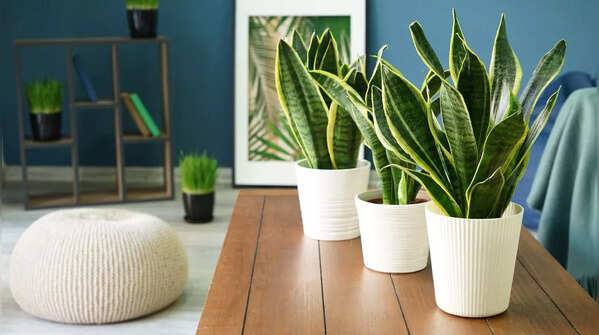
Snake plant (Sansevieria / Dracaena trifasciata)
Scientifically known as Dracaena trifasciata (formerly Sansevieria trifasciata), a snake plant is a popular, resilient houseplant with long, upright, sword-shaped leaves that are often variegated with green, yellow, and cream.
How it works: A night-time oxygen giver! Snake plant is excellent at filtering formaldehyde, benzene, xylene, toluene, and nitrogen oxides. It absorbs toxins like formaldehyde, benzene, xylene, and toluene and quietly converts CO2 at night, making it a fine addition to your bedroom.
Why it ticks: Nearly indestructible, doesn’t mind low light, and water infrequently, snake plants are ideal for busy or forgetful folks. Corner of the bedroom or any low-light space – its vertical structure fits tight spots and needs very little care.
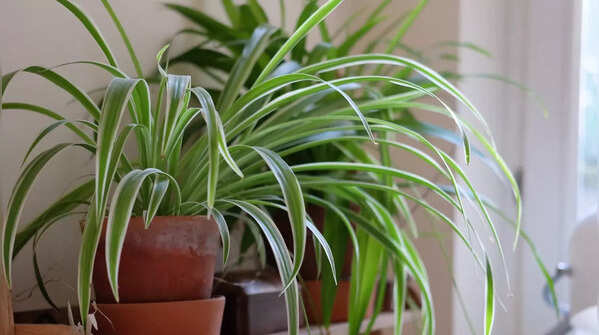
Spider plant (Chlorophytum comosum)
Scientifically known as Chlorophytum comosum, a spider plant is a familiar houseplant, popular due to its spider-like look, also known as spider ivy, airplane plant, ribbon plant, and hen and chickens.
How it works: It filters formaldehyde, xylene, and toluene. Moreover, it’s easy-breezy to grow, even in humidity-prone spots like bathrooms. What’s more? NASA’s famous Clean Air Study even spotlights the spider plant and acknowledges it as an air-filtering houseplant.
Why it ticks: Tough, forgiving, and quick to grow, it thrives with minimal fuss. A bi-weekly watering and indirect light do the trick. A hanging basket by a window or near your bathroom sink, let its arching leaves cascade and charm while doing the work.
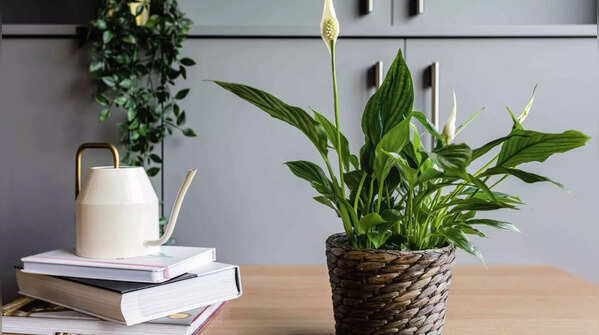
Peace Lily (Spathiphyllum)
Peace lilies, the evergreen herbaceous perennial plants, have large leaves and flowers that are long, white, yellowish, or greenish spathe.
How it works: A renowned toxin-tamer, it removes formaldehyde, benzene, ammonia, and more, and even captures pollen, aiding allergy sufferers.
Why it ticks: Elegant white blooms add beauty, and it thrives in indirect light with moist soil. Just be careful if pets or children are around; it’s toxic if ingested. Put it near a spot that’s out of direct sunlight, like your living area or bedroom. Bonus? Its graceful white blooms make everything look peaceful.
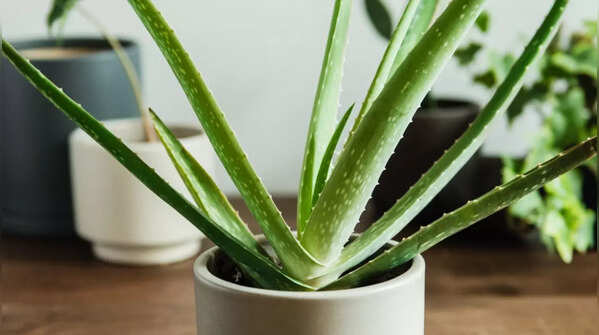
Aloe vera
A succulent plant, botanically known as Aloe barbadensis miller, that stores water in its thick, fleshy, green leaves, Aloe vera is known for its medicinal, skin care, and cosmetic properties, with its gel-filled leaves being used to treat burns, soothe skin irritation, and promote wound healing.
How it works: Known for sunburn cures, it also kills formaldehyde and benzene in the air. Bonus points? It releases oxygen at night.
Why it ticks: Needs bright, indirect sunlight and only occasional watering. Plus, you’ve got that soothing gel ready for cuts and burns! Keep it on your kitchen or bedside window – bright, indirect light is perfect; plus it doubles as a handy soothing gel for burns.
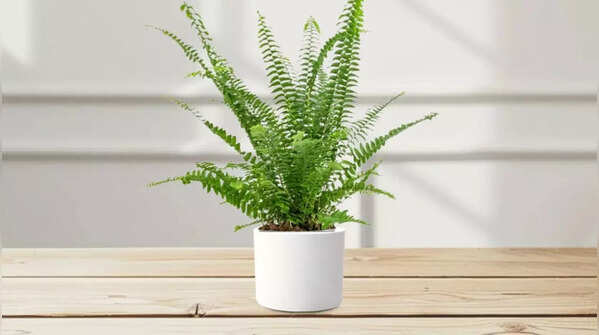
Boston fern (Nephrolepis exaltata)
Nephrolepis exaltata, known as the sword fern or Boston fern, is a species of fern in the family Nephrolepidaceae, which is native to the Americas.
How it works: Think spa vibes built into a plant! This fluffy fern absorbs formaldehyde and xylene and doubles as a natural, tiny living humidifier.
Why it ticks: Boston fern loves humidity and regular care – but in a bathroom or kitchen, it lives its best life. A moisture-prone spot – like a well-lit corner in your bedroom. Just mist regularly to keep it happy.

English Ivy (Hedera helix)
Hedera helix, the common ivy, European ivy, King's Choice ivy, or just ivy, native to most of Europe and parts of western Asia, is a species of flowering plant in the family Araliaceae. Ivy is a clinging evergreen vine that grows on tree trunks, walls, and fences in gardens, waste spaces, and wild habitats.
How it works: It pulls formaldehyde, benzene, xylene, toluene, and even airborne mold out of the air – powerful stuff in a delicate vine.
Why it ticks: Thrives in moderate light and moist soil; trailing vines add a delicate touch to any shelf or curtain rod. Put it on a shelf or wall-mounted planter near your workspace or entryway. Its trailing tendrils look artistic while working silently.
Featured In lifestyle

MORE FROM ETIMES
life & style