
- News
- City News
- kolkata News
- TMC's fort or BJP's breakthrough? The 7 districts that will decide who rules Nabanna
TMC's fort or BJP's breakthrough? The 7 districts that will decide who rules Nabanna

High voter turnout shapes election dynamics in Bengal
The second phase of polling is influenced by a very high turnout trend, making results less predictable and turning traditional voting calculations into a complex battle between political strategies.

Seven key districts decide political control of Bengal
Kolkata, North and South 24 Parganas, Nadia, Howrah, Hooghly and East Burdwan are voting today. These districts are crucial in deciding which party will govern West Bengal.

Trinamool Congress faces challenge in stronghold areas
Despite historically strong support, TMC is facing resistance in several constituencies, including Kolkata and suburban regions, as opposition activity and voter sentiment increase in multiple areas.
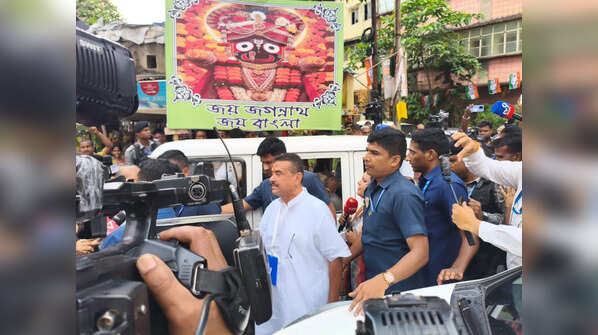
BJP attempts to capitalise on anti-incumbency sentiment
The BJP is trying to convert anti-incumbency feelings into electoral gains, especially in select pockets like Matua regions, industrial belts, and suburban zones across North 24 Parganas and Nadia.
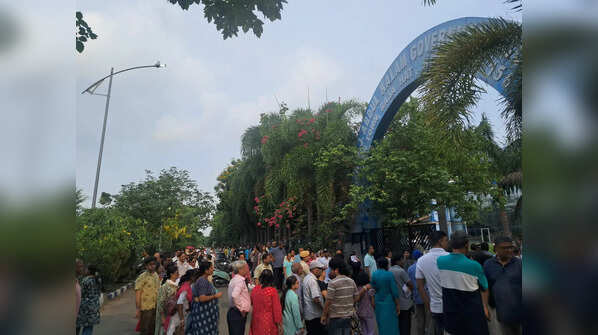
SIR concerns influence voter behaviour and turnout
Special Intensive Revision (SIR) fears are affecting voter sentiment and turnout patterns in some areas, adding uncertainty to traditional voting trends and influencing campaign strategies of both parties.
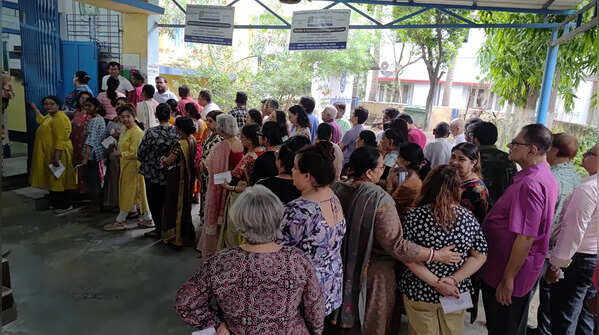
Localised strongholds and resistance shape constituency battles
Different communities and regions show varied political leanings, with BJP, TMC and ISF holding influence in specific belts, making the electoral contest highly fragmented and region-specific.
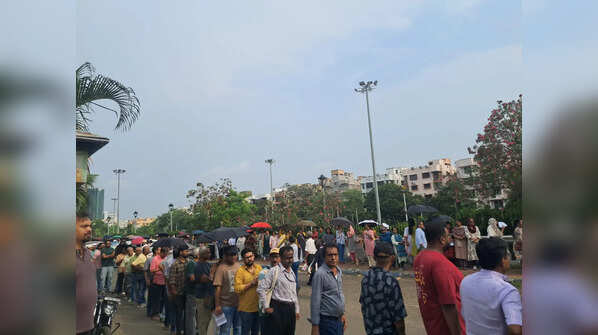
Urban-rural divide impacts voting preferences
Voting patterns show a divide between upper-middle-class and lower-income groups, with differing political preferences influenced by welfare schemes, development promises and opposition “paribartan” messaging.
Featured In City

